Owned and operated by a cf veteran

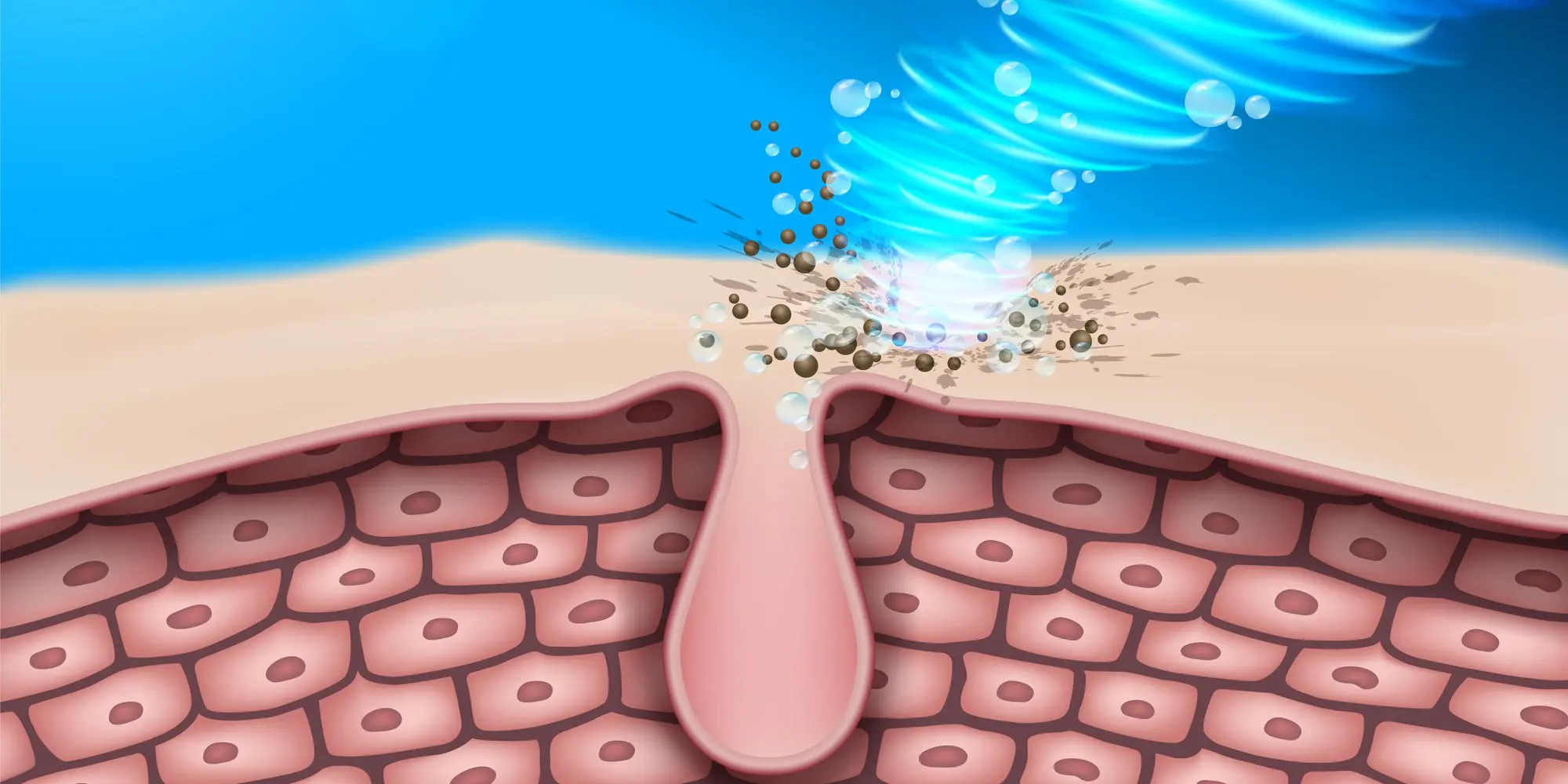
Can the copper peptide GHK-Cu help with acne and pimples? Here is how a pimple forms, what GHK-Cu really is, and what the research does and does not show. Plain words, no hype.
- 5.6M Canadians with acne
- 3 acne papers on GHK-Cu
- 0 trials on active pimples
- 9 easy visuals
Does GHK-Cu help with acne? Nobody knows yet. No study has tested GHK-Cu on active pimples in people.
What the research does show is about the steps around a pimple. In lab tests, GHK-Cu calmed some of the signals that cause redness and swelling. In people, GHK-Cu creams helped skin build more collagen. That is the stuff that fills in and repairs skin.
So the best fit for GHK-Cu research is not the pimple itself. It is what a pimple leaves behind: red marks, slow healing and scars. Even there, the proof is thin.
Jump to the evidence graph to see how strong each claim really is.
- The short version
- How a pimple forms
- Acne in Canada
- Kinds of spots
- What GHK-Cu is
- What the research says
- The evidence graph
- The four causes map
- What about copper itself?
- Redness and swelling
- Red and dark marks
- Acne scars
- GHK-Cu vs acne basics
- Can it cause breakouts?
- What not to mix
- Other peptides people ask about
- Claims to watch for
- When to see a doctor
- Picking a supplier
- Products
- Common questions
- Bottom line
- Sources
The short version
- GHK-Cu is a tiny copper peptide. Your own blood carries it. Levels drop as you age.
- No study has tested GHK-Cu on active acne in people. Not one.
- Lab studies show GHK-Cu can calm some swelling signals. That is a clue, not proof.
- Face cream trials show GHK-Cu helps skin make collagen. That matters most for marks and scars.
- Deep, painful or scarring acne needs a doctor, not a peptide.
How a pimple forms
Think of each pore as a tiny drain in your skin.
At the bottom of the drain is a small oil pump. It makes an oil called sebum. Sebum keeps skin soft. It is supposed to flow up the drain and out onto your skin.
Your skin also sheds dead cells. Sometimes they stick together in the drain. Now the drain is clogged. Oil keeps pumping, but it cannot get out. A germ that lives on almost everyone’s skin, called C. acnes, loves oil. With the drain blocked, it has a feast and grows.
Your body sends in its guards. They bring heat, redness and swelling. That red, sore bump is a pimple.
A simple drawing, not to scale. Every pimple goes through some mix of these four steps.
Keep these four steps in mind: oil, clog, germs, swelling. Every acne product works on one or more of them.
Acne in Canada, by the numbers
If you have acne, you have a lot of company. The Canadian Dermatology Association says acne affects about 5.6 million Canadians. That is nearly one in five people.
Figures from the Canadian Dermatology Association’s public acne page. Rounded.
Acne is not just a teen thing. Many adults get it too. The Canadian Dermatology Association also warns that even mild acne can scar, and picking makes it worse. Remember that, because scars are where GHK-Cu research has the most to say.
The kinds of spots, in plain words
Not every spot is the same. Here are the main kinds, from mild to severe.
Whitehead
A clogged pore that stays closed at the top. A small, pale bump.
Blackhead
A clogged pore that is open at the top. The plug turns dark in the air. It is not dirt.
Papule
A small, red, sore bump with no white top. This is swelling at work.
Pustule
A red bump with a white or yellow top. This is the classic “pimple.”
Nodule
A hard, painful lump deep under the skin. It can last for weeks.
Cyst
A deep, soft, painful lump filled with pus. The most likely to scar.
Whiteheads and blackheads are about oil and clogs. The red kinds add germs and swelling. Nodules and cysts need a doctor, fast, because they scar the most.
What GHK-Cu is, in plain words
A peptide is a short chain of amino acids, the building blocks of protein.
GHK is one of the shortest peptides there is. It is just three amino acids long: glycine, histidine and lysine. That is where the letters G, H and K come from. It likes to grab onto one atom of copper. With the copper attached, it is called GHK-Cu, or the copper peptide. “Cu” is the science symbol for copper.
A scientist named Loren Pickart found it in human blood in the 1970s. Here is the part that caught researchers’ eyes: your body makes less of it as you age.
Blood levels as reported by Pickart and co-workers (BioMed Research International, 2015).
In the lab, GHK-Cu acts like a repair note. It is passed to the skin’s builder cells, called fibroblasts. The note says things like “make more collagen,” “clean up this damage,” and “calm down.” That is the whole idea behind GHK-Cu skin research.
Want the long history? Our GHK-Cu history and research guide goes deep.
What the research says about GHK-Cu and acne
We searched PubMed, the main library of medical research, in September 2026. First we looked for GHK or copper peptide together with acne, pimples, skin oil or clogged pores.
That search found three papers. Here is what they are:
- A 2026 review of GHK-Cu and microneedling. It lists acne scars as something that should be tested in future trials. It is a wish list, not a result.
- A 2025 study of a scar gel. The gel mixed copper tripeptide-1 with three other ingredients. Women with acne scars used it. Scars looked about 27% better by day 45. But there was no comparison group, and people who work for the maker helped run it.
- A 2004 opinion piece. A doctor wrote that copper peptide is useful for wound healing, and that a different ingredient, niacinamide, may help acne.
That is it for GHK-Cu. Not one of them tested it on active pimples. So when a website says “GHK-Cu clears acne,” ask them which study. There is not one.
Then we widened the search to copper itself, since GHK-Cu is a copper peptide. That found 78 papers. Most were off topic, like copper birth-control devices. A few were useful, and we cover them in the copper section below.
The 2026 review adds a warning. About 35% of all GHK-Cu research has Pickart or his long-time co-author on it, and he had business ties to the peptide for decades. Their work is useful, but more outside research is needed.
The evidence graph: how strong is each claim?
Each dot shows how much real research backs that claim. Further right means more, and better, research. It shows how much we know, not how well something works.
A plain-language read of the published research, grouped into bands. It is not to scale and it is not a score of how well anything works.
See the pattern? The strong dots are all about repair. The weak dots are all about the pimple itself. That is the key to this whole topic.
The four causes map: where GHK-Cu might fit
Remember the four steps: oil, clog, germs, swelling. Then comes a fifth thing, the mark or scar a pimple leaves behind. Here is where GHK-Cu research lines up with each one.
Based on the studies named in this guide. “No research” means we found no GHK-Cu study on that step. The germ step shows plain copper, not GHK-Cu.
So GHK-Cu is a repair topic, not a pimple-stopper.
Redness and swelling: the lab clues
The red, hot, sore part of a pimple is swelling. Scientists call it inflammation. Your body sends signal chemicals to start it. Two of the loud ones have short names: IL-6 and TNF-alpha. Another one, TGF-beta, helps control healing and scarring.
Here is what the GHK-Cu research found about those signals:
- A 2026 review in the Aesthetic Surgery Journal looked at 20 studies. In the lab and animal work, GHK-Cu turned down TGF-beta and IL-6.
- In rats with slow-healing wounds, GHK-Cu lowered TNF-alpha and helped the wounds heal.
- In a 2014 lab study, skin builder cells in a dish made less TGF-beta when GHK-Cu was added. The authors said this might one day help stop thick, raised scars.
That sounds good, but all of it happened in dishes and animals. None of it was a pimple on a face. A lab clue tells scientists where to look next, not what you will see in a mirror.
What about copper itself?
GHK-Cu carries copper, so it is fair to ask: does copper do anything for acne? Here is what the wider search turned up. Keep one thing in mind. None of these used GHK-Cu. They used other forms of copper.
Copper vs acne germs
In a 2025 lab study from Brazil, tiny copper oxide particles stopped C. acnes from growing in a dish. They worked better on that germ than silver did. It was a dish, not a face.
Zinc plus copper calms swelling
A 2011 lab study from Johnson & Johnson paired zinc with copper. Skin cells exposed to acne germs made fewer swelling signals. It also calmed skin swelling in mice.
Copper chlorophyllin gel
This is a copper compound made from the green colour in plants. In a 2015 pilot, 10 people with mild to medium acne used a gel for 3 weeks. Acne and large pores looked better. No comparison group, and the team had ties to the maker. A 2018 routine study in 24 women had the same limits.
Copper in the blood
Is acne a copper shortage? No. A 2025 study in India found more copper in people with acne. A 2017 study in Nigeria found no difference.
So copper shows some interesting results against acne germs and swelling. But those were different copper forms, in dishes, mice or tiny groups. You cannot hand that result to GHK-Cu. It is a different molecule.
Red marks and dark marks after a pimple
After a pimple heals, it often leaves a flat spot behind. There are two kinds.
Red or pink marks
Leftover redness from small blood vessels that were part of the swelling. More common on lighter skin. Most fade over months.
Brown or dark marks
Extra skin colour made during the swelling. More common on darker skin. They can take many months to fade.
These are not true scars, and most fade with time and sunscreen. Reviews say GHK-Cu cosmetics reduced uneven colour on aging skin. But those reviews come mostly from Pickart’s group, and nobody tested acne marks.
Acne scars: where GHK-Cu research fits best
A real acne scar changes the shape of the skin. Deep swelling damages the collagen under the pimple. When it heals badly, the skin either sinks in or bulges up.
A simple side view of skin, not to scale.
Sunken scars are missing collagen. Raised scars have too much. That is why GHK-Cu research keeps pointing at scars. Its best-studied job is helping skin manage collagen: building it, and breaking down the messy kind.
The collagen study
In one small study, women put a cream on the skin of their thighs for 12 weeks. Then researchers checked how much new collagen the skin had made. Here is how many women made more collagen with each cream.
As reported in Pickart and co-workers’ 2015 review. Thigh skin, not acne scars.
That looks strong. But it was healthy thigh skin, not acne scars.
The acne scar studies
Only one study we found tested a copper peptide on acne scars: the 2025 scar gel. Scars looked 7% better by day 21 and 27% better by day 45. Skin also felt smoother. That is encouraging. But the gel had three other active ingredients, and there was no group using a plain gel to compare.
The 2026 microneedling review says acne scars are one of the top things GHK-Cu should be tested on next. In lab and pig skin tests, tiny needles let far more GHK-Cu get into the skin. No proper human trial on acne scars has been published yet.
For raised scars, watch the TGF-beta clue. GHK-Cu lowered that “keep building” signal in a dish. Meanwhile, skin doctors already have proven scar tools, like laser, microneedling and fillers.
GHK-Cu vs the acne basics
Here is how GHK-Cu stacks up against the ingredients doctors have tested on acne for years. Scroll sideways on a phone.
| Ingredient | Which step it targets | Acne research | Watch for |
|---|---|---|---|
| Benzoyl peroxide | Germs, some clogs | Lots of trials over decades | Dryness, can bleach towels and clothes |
| Salicylic acid | Clogs | Many trials, milder effect | Dryness, stinging |
| Retinoids (like adapalene) | Clogs, swelling | Lots of trials, a first choice for doctors | Redness and peeling at first, sun care needed |
| Azelaic acid | Germs, swelling, dark marks | Good trials | Mild tingling |
| Niacinamide | Swelling, oil | Some trials | Usually gentle |
| GHK-Cu | Swelling (lab), repair, collagen | No trials on active acne | Little acne data at all |
Canada’s 2016 acne guideline for doctors is built on the proven tools in this table, plus prescription options. GHK-Cu is not in it, because nobody has done the acne trials yet.
Can copper peptides cause breakouts?
“Copper peptides breakout” is one of the most searched questions on this topic in Canada. Here is the honest picture:
- No study we found reports GHK-Cu causing acne. The face cream trials describe it as well tolerated.
- “Purging” is a real thing, but for other products. It happens with ingredients that speed up skin shedding, like retinoids. They push clogs to the surface faster. GHK-Cu is not known to work that way.
- The rest of the bottle matters. A serum is mostly other stuff: oils, thickeners, scents. Any of those can clog pores or bother skin.
- Timing can fool you. Acne comes and goes with hormones, stress and sleep.
What people say not to mix it with
You will read a lot of mixing rules online. Here is where they come from.
Strong acids and pure vitamin C
Many brands say not to use them at the same time as copper peptides. The idea is that acid can pull the copper off the peptide.
The honest part
We found no good trial that tested this in people. Treat it as caution, not proven fact.
Other peptides people ask about for acne
“Peptides for acne” is the top search in this whole topic. Here are the other names that come up, in plain words.
KPV
A tiny three-amino-acid piece of a natural calming hormone. It is studied for calming swelling, mostly in the gut, in lab and animal work. No acne trials. See KPV 10mg.
LL-37
A natural germ-fighting peptide your skin makes. It kills many germs in a dish. But too much of it is linked to rosacea, a different red-face condition. See LL-37 10mg.
SNAP-8
A cosmetic peptide for fine lines from muscle movement, like crow’s feet. It is not an acne ingredient. Our SNAP-8 guide explains it.
Glutathione
Your body’s main antioxidant. Most of its skin research is about skin colour, not pimples. See Glutathione 1500mg.
None of these has a solid acne trial in people either. BPC-157 comes up too, but its research is animal wound healing. Our BPC-157 vs TB-500 guide covers it.
Claims to watch for
Acne is easy to sell to. Be careful with these four claims.
“Clears acne in two weeks”
No GHK-Cu study shows this. There is no GHK-Cu trial on active acne at all.
“Kills acne bacteria”
That was plain copper in a lab dish, not GHK-Cu on skin. Two different things.
“Erases acne scars”
One small mixed-ingredient gel with no comparison group. That is a start, not proof.
“Before and after” photos
Light, angle, makeup and normal acne ups and downs all change a photo. Ask for studies, not pictures.
When to see a doctor
A peptide is never a reason to wait on acne that is doing damage. See your family doctor or a skin doctor if any of these are true:
- You have deep, painful lumps. Nodules and cysts scar the most. They need real treatment, early.
- You are already getting scars. The sooner acne is controlled, the fewer new scars form.
- Dark marks keep piling up. This is common on darker skin and can be treated.
- Drugstore products have not helped. Give them about two to three months. If there is no change, ask for more help.
- It is getting you down. Acne can hurt how you feel about yourself. That is a real reason to get help.
How to pick a research supplier
For lab research, the supplier matters as much as the peptide.
- Find the test sheet first. Before the price and the reviews. No third-party lab report on the page means stop there.
- Check the report is real. A good report has a verify link or code you can check on the lab’s own site.
- Match the numbers. The amount on the report should match the amount on the label.
- Look for honest claims. Research sellers should not promise clear skin. Shipping from Canada avoids customs trouble.
- Get the basics right. You need clean bacteriostatic water and good maths. Our peptide calculator handles the maths.
All of our lab reports are on our independent testing page.
Products mentioned in this guide
Every item below ships from Canada with its third-party lab report on the product page. For research use only.
 GHK-Cu 100mg$64.99
 SNAP-8 10mg$59.99
 Glutathione 1500mg$59.99
 BPC-157 (10mg)$75
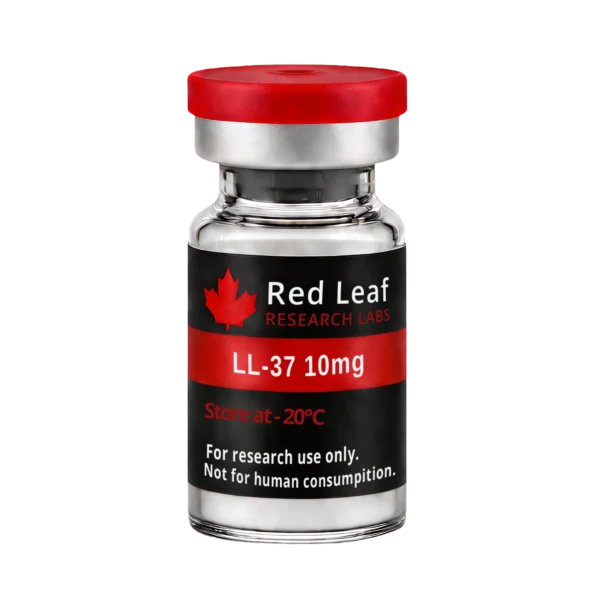 LL-37 10mg$55
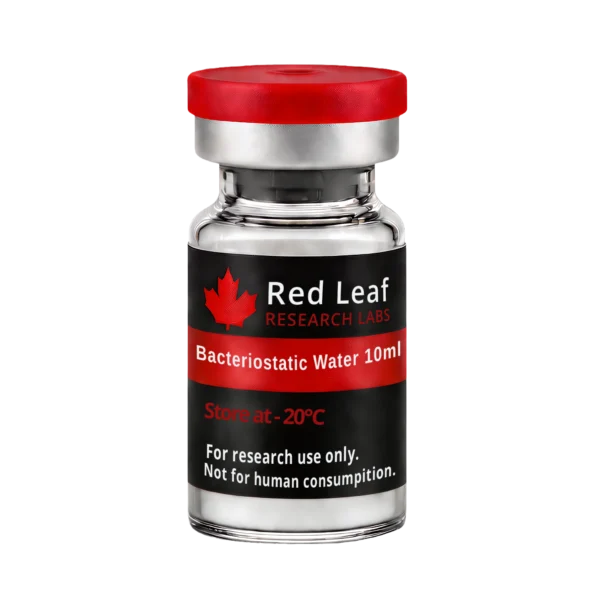 Bacteriostatic Water$10
Keep reading
GHK-Cu, the full story
Where the copper peptide came from and what 50 years of research found.
Loose skin after weight loss
GHK-Cu, glutathione and five others, compared side by side.
Copper peptides in skin care
How copper peptides show up in anti-aging skin research.
SNAP-8, explained
The cosmetic peptide for expression lines, in plain words.
Peptides, start here
The plain-English beginner’s guide to the whole category.
Checking a supplier
The ten-point check for any Canadian peptide seller.
Common questions
Does GHK-Cu help with acne?
No one knows yet. No study has tested GHK-Cu on active pimples in people. Lab studies show it can calm some swelling signals, and face cream trials show it helps skin make collagen.
Is copper peptide good for acne-prone skin?
GHK-Cu creams were well tolerated in face trials, but those trials were on aging skin, not acne. The rest of the formula matters too, since oils and thickeners can clog pores.
Can GHK-Cu help with acne scars?
It is the best fit for GHK-Cu research, because scars are a collagen problem. But only one small scar-gel study exists, it mixed in other ingredients, and it had no comparison group.
Do copper peptides cause breakouts or purging?
No study we found reports GHK-Cu causing acne. Purging comes from products that speed up skin shedding, like retinoids. A breakout after a new serum is more likely from its other ingredients or plain bad timing.
Does copper kill acne bacteria?
In a 2025 lab study, copper oxide particles stopped the acne germ C. acnes in a dish. That was plain copper, not GHK-Cu, and not on skin.
What is the best peptide for acne?
There is no proven acne peptide yet. KPV, LL-37, BPC-157 and GHK-Cu all have lab or animal clues, but none has a solid acne trial in people.
Can I use copper peptides with vitamin C or acids?
Many brands say to use them at different times, because strong acids may pull the copper off the peptide. We found no good trial that tested this in people.
When should I see a doctor about acne?
If you have deep painful lumps, scars, dark marks piling up, or no change after two to three months of drugstore products. Deep acne scars the most.
Where can I buy GHK-Cu in Canada?
Red Leaf sells GHK-Cu 100mg for research use, shipped from Canada with a third-party lab report on the product page.
Bottom line
Acne starts with four things: oil, clogs, germs and swelling. GHK-Cu has no human study on any of the first three, and only lab clues on the fourth. Plain copper did slow acne germs in a dish, but that is not GHK-Cu, and it was not on a face.
Where GHK-Cu research does line up is the end of the story: healing, collagen, and the marks and scars acne leaves behind. Even there, the evidence is one small mixed-ingredient gel and a lot of promising lab work.
For active pimples, the proven basics still win. For deep or scarring acne, see a doctor early. For research on skin repair, GHK-Cu is one of the best-studied peptides there is. That is the honest version, and you deserve it before you spend a dollar.
Every Red Leaf vial carries an independent lab report with a verify link, right on the product page. Free express shipping on Canadian orders over $250.
GHK-Cu (100mg)Browse the full catalogueSources
- Canadian Dermatology Association. Acne (public patient information). Accessed September 2026. 5.6 million Canadians; 90% of teens; 20-30% of adults 20-40.
- Pickart L, Vasquez-Soltero JM, Margolina A. GHK peptide as a natural modulator of multiple cellular pathways in skin regeneration. BioMed Research International, 2015. Blood GHK 200 ng/mL at 20 vs 80 ng/mL at 60; thigh collagen 70% vs 50% vs 40%.
- Pickart L, Margolina A. Regenerative and protective actions of the GHK-Cu peptide in the light of the new gene data. International Journal of Molecular Sciences, 2018.
- Najafi N, et al. A systematic review of the mechanisms and therapeutic applications of GHK-Cu in topical microneedle delivery. Archives of Internal Medicine Research, 2026. 64 records; about 35% of primary literature includes Pickart or Margolina.
- Mokhtar J, et al. The regenerative potential of GHK-Cu in aesthetic medicine. Aesthetic Surgery Journal, 2026. 20 studies (18 preclinical, 2 RCTs); TGF-beta and IL-6 suppression in preclinical work.
- Gruchlik A, Chodurek E, Dzierzewicz Z. Effect of Gly-His-Lys and its copper complex on TGF-beta secretion in normal human dermal fibroblasts. Acta Poloniae Pharmaceutica, 2014.
- Patel MN, et al. Efficacy and safety assessment of a scar gel with copper tripeptide-1 in the treatment of skin scars. Cureus, 2025. Open-label, females with acne scars; 7.17% at day 21, 26.57% at day 45.
- Carraway JH. Using Aldara, copper peptide, and niacinamide for skin care. Aesthetic Surgery Journal, 2004.
- Reis RAD, et al. Selective antimicrobial chitosan films incorporating green-synthesized silver and copper oxide nanoparticles for acne treatment. Antibiotics, 2025. Copper oxide MIC 62 µg/mL against C. acnes, in vitro.
- Kaur S, et al. Galvanic zinc-copper microparticles produce electrical stimulation that reduces the inflammatory and immune responses in skin. Archives of Dermatological Research, 2011.
- Stephens TJ, McCook JP, Herndon JH. Pilot study of topical copper chlorophyllin complex in subjects with facial acne and large pores. Journal of Drugs in Dermatology, 2015. 10 subjects, 3 weeks.
- Jiang LI, et al. Efficacy and tolerability of an acne treatment regimen with antiaging benefits in adult women: a pilot study. Journal of Clinical and Aesthetic Dermatology, 2018. 24 enrolled, 21 completed, 8 weeks; industry funded.
- Agarwal S, et al. Serum levels of zinc, selenium, copper, lead, cadmium and mercury in acne vulgaris patients. Indian Dermatology Online Journal, 2025. 139 cases, 86 controls.
- Ikaraoha CI, et al. The role of blood lead, cadmium, zinc and copper in development and severity of acne vulgaris in a Nigerian population. Biological Trace Element Research, 2017.
- Asai Y, et al. Management of acne: Canadian clinical practice guideline. Canadian Medical Association Journal, 2016.
Research use only. GHK-Cu, KPV, LL-37, BPC-157, glutathione, SNAP-8 and every other compound named here are sold by Red Leaf Research Labs as laboratory materials for in-vitro research. They are not approved for cosmetic, treatment, injection, ingestion or any human or animal use. Nothing on this page is medical advice, a dose, or a protocol. Study figures are quoted from published research so readers can see what was measured. Full wording on our legal terms page.