Owned and operated by a cf veteran


A complete starting point for Canadians new to research peptides — terminology, documentation and what to check.
- Terminology explained
- How to read a COA
- Storage and handling
- Research use only
Start with the vocabulary and the paperwork rather than the compounds. Knowing what a lot number is, what a certificate of analysis does and does not prove, and how lyophilized material should be stored will protect you far more than knowing which peptide is trending.
- Peptides at a glance
- What are peptides?
- How do peptides work?
- The main peptide categories beginners encounter
- Peptide research in Canada: the essential distinction
- How research peptides are made
- What is a certificate of analysis?
- Lyophilized peptides and why storage matters
- How to evaluate a research peptide supplier in Canada
- How to read peptide research without being misled
- Popular peptide research areas
- Common peptide myths
- Beginner peptide terminology
- A responsible beginner decision framework
- A practical Canadian peptide quality comparison
- A beginner workflow for Canadian research procurement
- Quick answers for beginners
- Frequently asked questions about peptides in Canada
- Examples from the Canadian research catalogue
- Final takeaways
Peptides are short chains of amino acids that act as building blocks, messengers, and research tools. This peptide guide for beginners explains what peptides are, how they differ from proteins and medications, why scientists study them, and what Canadians should know before evaluating peptide research products. It is designed as an educational reference—not a treatment plan, prescribing guide, or substitute for advice from a licensed Canadian healthcare professional.
Interest in peptides has expanded quickly across Canada. Searchers encounter collagen peptides, skincare peptides, therapeutic peptide medicines, laboratory research peptides, and social-media claims that often blur important boundaries. The first rule for beginners is therefore simple: “peptide” describes a molecular category, not one single product or purpose. A collagen powder, a prescription peptide medicine, a cosmetic serum, and a research-only compound can have entirely different evidence, quality controls, legal status, and intended use.
Peptides at a glance
- Definition: short chains of amino acids joined by peptide bonds.
- Function: depending on their sequence, peptides may act as signals, hormones, structural fragments, enzymes, antimicrobial agents, or experimental tools.
- Not all peptides are drugs: some occur naturally in food and the human body; others are manufactured for cosmetics, nutrition, approved medicines, or laboratory research.
- Sequence matters: changing one amino acid can alter stability, receptor binding, activity, and safety.
- Canadian context matters: a product’s intended use and claims help determine which Canadian rules apply.
- Quality cannot be judged by appearance: a white lyophilized powder does not prove identity, purity, concentration, or sterility.
What are peptides?
Amino acids can be pictured as letters in a biological alphabet. When several amino acids connect through peptide bonds, they form a peptide chain. Longer, more complex chains that fold into stable three-dimensional structures are usually called proteins, although the boundary between a peptide and a small protein is not absolute.
The order of amino acids—the sequence—determines how a peptide behaves. Shape, electrical charge, solubility, and susceptibility to enzymes all influence whether it can interact with a receptor or survive long enough to be measured in an experiment. This is why two peptides with similar names may have very different mechanisms.
Peptides already exist throughout human biology. Examples include signalling molecules involved in metabolism, immune communication, digestion, vascular function, and endocrine pathways. Laboratory researchers may study a naturally occurring sequence, a shortened fragment, or a modified analogue designed to last longer or bind more selectively.
Peptides versus proteins
Peptides are generally smaller and structurally simpler than proteins. Proteins often contain hundreds of amino acids and fold into complex shapes that perform mechanical or enzymatic work. Peptides are often discussed as short messengers, although some also have structural or antimicrobial roles. Size alone does not determine importance: a small sequence can still produce a highly specific biological signal.
Peptides versus amino acids
An amino acid is one unit; a peptide is a connected chain of units. Free amino-acid supplements and intact peptides do not necessarily behave the same way during digestion, absorption, transport, or receptor binding. Marketing language sometimes treats them as interchangeable, but scientifically they are distinct.
Peptides versus steroids
Peptides and anabolic steroids are different molecular classes. Steroids are lipid-derived compounds with characteristic ring structures; peptides are amino-acid chains. They can act through different receptors and metabolic pathways. Describing a peptide as “basically a steroid” is inaccurate, but the opposite claim—“peptides are automatically safe because they are natural”—is also inaccurate.
How do peptides work?
Many peptides work by binding to a receptor on or inside a cell. The receptor then changes cellular signalling, much like a lock responding to a specific key. Other peptides bind enzymes, cell membranes, transport proteins, or structural targets. The effect depends on the sequence, dose or concentration, route of exposure, target tissue, and experimental system.
Researchers commonly investigate several questions:
- Does the peptide bind the proposed target?
- How strong and selective is that interaction?
- How quickly is the peptide broken down?
- Does it reach the relevant tissue?
- Are observations reproduced in cells, animals, and humans?
- What unwanted effects appear at different exposures?
- Does a modified analogue behave differently from the natural sequence?
A laboratory finding is not automatically a clinical benefit. Results from a test tube can identify a mechanism, but they do not prove that the same outcome will occur safely in a person. Animal data can guide future research, but species differences, study design, sample size, and publication quality all affect interpretation.
The main peptide categories beginners encounter
1. Naturally occurring and physiological peptides
These peptides are produced by organisms and participate in normal biology. Scientists study them to understand signalling pathways and disease processes. A natural origin does not eliminate risk: biological signals can have powerful effects, and manufactured versions still require careful characterization.
2. Therapeutic peptide medicines
Some peptide-based products have been evaluated as medicines and authorized for specific indications. These products are manufactured under pharmaceutical controls and supplied according to approved labelling. Authorization is product- and indication-specific; it does not extend automatically to similarly named products sold online.
3. Research peptides
Research peptides are reagents supplied for laboratory investigation. They may be used in analytical chemistry, receptor studies, assay development, cell culture, or preclinical research. A legitimate research-only product should be represented according to its intended laboratory use. “Research use only” is not a loophole that converts an unapproved product into a personal treatment.
4. Collagen peptides
Collagen peptides are hydrolyzed protein fragments commonly sold as foods or supplements. They are not interchangeable with highly specific signalling peptides used in pharmacology research. Their manufacturing, evidence, typical oral use, and regulatory category are different.
5. Cosmetic peptides
Skincare formulas may contain signal peptides, carrier peptides, or other short sequences. A topical cosmetic claim about appearance is different from a therapeutic claim to treat disease or alter body systems. Formulation quality and skin penetration also matter; an ingredient’s presence does not prove that it reaches an effective target.
6. Custom and modified peptides
Researchers can change terminal groups, substitute amino acids, cyclize chains, or attach other molecules to alter stability and activity. These modifications can materially change the compound. Beginners should never assume that two salts, fragments, analogues, or modified sequences are equivalent.
Peptide research in Canada: the essential distinction
Canadians searching for “peptides Canada,” “research peptides Canada,” or “peptide research Canada” often see therapeutic, cosmetic, nutritional, and laboratory pages mixed together. Evaluate the specific product, intended use, claims, and evidence rather than treating every peptide as one category.
For personal medical questions, start with a physician, pharmacist, nurse practitioner, or other appropriately licensed professional. For laboratory purchasing, institutions should follow their research approvals, biosafety requirements, procurement policies, storage procedures, and applicable federal and provincial rules. Universities and commercial laboratories may also require supplier qualification, documented receiving inspections, and controlled-access inventory.
A beginner guide should not present experimental compounds as approved treatments. Claims such as “clinically proven,” “safe,” or “guaranteed” require product-specific evidence. Testimonials, influencer videos, and before-and-after photos are not substitutes for controlled studies.
How research peptides are made
Many research peptides are produced by solid-phase peptide synthesis. Amino acids are added step by step while temporary protective groups reduce unwanted reactions. After the sequence is assembled, the crude peptide is cleaved, purified, and analyzed. Longer or difficult sequences may produce more side products and require additional optimization.
Purification commonly uses high-performance liquid chromatography. Identity is often assessed with mass spectrometry, while purity may be estimated from chromatographic peak area. These tests answer related but different questions:
- Identity: is the principal material consistent with the expected molecular mass or sequence?
- Purity: what proportion of the detected material corresponds to the main component under the test conditions?
- Content: how much actual peptide is present after accounting for water, counterions, and other material?
- Sterility: are viable microorganisms absent under a validated test?
- Endotoxin: is bacterial endotoxin below a defined limit?
A purity percentage alone does not establish all of these qualities. For example, a chromatogram can show a dominant peak without proving sterility or the exact quantity in a vial.
What is a certificate of analysis?
A certificate of analysis, or COA, summarizes test results for a specific lot. A useful COA should identify the compound, batch or lot number, test date, methods, acceptance criteria, results, and laboratory. The lot on the document should match the lot on the received product.
Beginners should look beyond a logo and a purity number. Ask whether the report is batch-specific, whether the laboratory can be independently verified, whether raw chromatograms or spectra are available, and whether the method is suitable for the claim being made. Red Leaf Research Labs explains its approach on the independent testing and certificates of analysis page.
Red flags in peptide documentation
- No batch number or a batch number that does not match the vial.
- The same COA reused indefinitely for every lot.
- Cropped screenshots with no laboratory or method information.
- Identity claimed from HPLC alone without appropriate complementary testing.
- “Pharmaceutical grade” used without a defined, verifiable standard.
- Guaranteed research outcomes or disease-treatment claims.
- No storage conditions, manufacturing date, or contact information.
Lyophilized peptides and why storage matters
Lyophilization removes water under controlled low-temperature and vacuum conditions, producing a dry cake or powder that may improve stability. It does not make a peptide indestructible. Heat, humidity, light, oxygen, repeated temperature changes, adsorption to surfaces, and contamination can still affect a sample.
Storage requirements are sequence- and formulation-specific. Follow the supplier’s batch documentation and the laboratory’s validated standard operating procedure. In general, researchers minimize moisture exposure, avoid unnecessary freeze-thaw cycles, document receipt conditions, and use calibrated temperature monitoring. A package feeling cool or a powder looking intact is not a stability study.
Receiving checklist for a Canadian laboratory
- Record delivery date, carrier condition, and package temperature indicators if supplied.
- Compare the product name, amount, lot, and COA.
- Inspect seals and packaging without opening controlled material unnecessarily.
- Place the item into the documented storage condition promptly.
- Record inventory location and responsible researcher.
- Quarantine material if identity, labelling, or shipment condition is questionable.
How to evaluate a research peptide supplier in Canada
Supplier evaluation should focus on evidence and traceability, not aggressive keyword claims. A Canadian-facing research peptide supplier should clearly identify its business, intended-use limitations, product specifications, shipping policies, testing approach, and support process.
A practical supplier checklist
- Transparent identity: a real business name, contact channel, and consistent website information.
- Lot traceability: batch numbers that connect the product to documentation.
- Independent testing: verifiable analysis rather than unsupported “99% pure” text.
- Accurate descriptions: sequence, molecular information, form, and storage guidance should be internally consistent.
- Responsible claims: research products should not be marketed as guaranteed cures or personal-use protocols.
- Canadian fulfilment information: clear processing, tracking, packaging, and delivery expectations.
- Support: a process for damaged shipments, documentation questions, and lot verification.
- Website quality: secure checkout, accessible policies, and no copied or contradictory product data.
Price is not proof of quality. The least expensive product can create costly failed experiments, while the most expensive product is not automatically superior. Compare the total evidence package. See the site’s Canadian shipping information and returns policy before ordering laboratory materials.
How to read peptide research without being misled
A competitive peptide guide for beginners must teach evidence literacy. Start by identifying the study type. A molecular docking model is not a clinical trial. A cell experiment is not an animal study, and an uncontrolled case report is not a randomized comparison.
Questions to ask about a study
- Was the peptide identity and formulation clearly described?
- Was the experiment performed in cells, animals, healthy volunteers, or patients?
- How many subjects or samples were included?
- Was there an appropriate control group?
- Were outcomes selected before the study began?
- Were results statistically and practically meaningful?
- Was the research replicated by an independent group?
- Were adverse events and limitations reported?
- Does the conclusion match the actual data?
Systematic reviews and well-designed controlled trials generally provide stronger clinical evidence than isolated laboratory studies. Even strong evidence must be matched to the exact compound, formulation, population, and use.
Popular peptide research areas
The following categories describe research interests, not recommendations for personal use.
Metabolic signalling
Scientists study peptide pathways involved in appetite, glucose regulation, energy balance, and gastrointestinal signalling. Some medicines in this broad area have approved clinical uses; many related research compounds do not. Similar pathway names do not make products interchangeable.
Tissue and inflammatory signalling
Laboratory studies investigate sequences associated with cell migration, vascular signalling, inflammatory mediators, and tissue models. Online discussions often overstate early findings. Beginners should separate mechanistic hypotheses from demonstrated patient outcomes.
Growth-hormone and endocrine research
Some peptides are studied for their interaction with pituitary or hypothalamic signalling. Endocrine systems use feedback loops, so changing one signal may influence several hormones and tissues. This complexity is one reason unsupervised experimentation is risky.
Neuroscience peptides
Researchers examine peptides related to cognition, stress signalling, sleep, and neuroprotection. Delivery to the central nervous system, species differences, and small study sizes are recurring limitations. Claims about focus or mood require especially careful evidence review.
Mitochondrial research
Mitochondria-related peptides are studied in cellular energy, oxidative stress, and disease models. A positive biomarker result does not automatically translate into longer life or improved performance. Read the SS-31 research guide for an example of mechanism-focused analysis.
Skin and copper-peptide research
GHK-Cu and other cosmetic peptides are discussed in relation to extracellular matrix, wound models, and skin appearance. Results depend on formulation, concentration, stability, and delivery. A topical cosmetic product should not be equated with a sterile research reagent.
Common peptide myths
Myth: All peptides are natural and therefore safe
Many biological peptides occur naturally, but concentration, route, modification, purity, and exposure can change risk. Natural origin is not a safety certificate.
Myth: A 99% purity claim proves pharmaceutical quality
Purity is only one attribute. Identity, content, impurities, sterility, endotoxin, residual solvents, and stability may also matter. The meaning of “99%” depends on the method and calculation.
Myth: Research results apply to anyone
Cell and animal studies answer specific experimental questions. Human outcomes can differ, and individuals vary in health status, medications, allergies, and risk.
Myth: More peptides or “stacking” means better results
Combining compounds makes cause and effect harder to interpret and may create unknown interactions. In laboratory work, variables are controlled deliberately. In personal use, combining unapproved products can add risk without reliable evidence.
Myth: A vial label proves what is inside
Labels are claims. Batch-specific analytical evidence and a trustworthy chain of custody provide stronger support.
Beginner peptide terminology
- Amino acid
- A molecular building block used to form peptides and proteins.
- Sequence
- The order of amino acids in a peptide.
- Analogue
- A modified version of a molecule designed to change one or more properties.
- Half-life
- The time required for an amount or concentration to decrease by half under defined conditions.
- Lyophilized
- Freeze-dried under controlled conditions to remove water.
- HPLC
- A chromatography method used to separate and measure components.
- Mass spectrometry
- An analytical technique used to assess molecular mass and support identity.
- COA
- Certificate of analysis for a specific product lot.
- RUO
- Research use only; intended for laboratory research rather than human or veterinary use.
- Receptor
- A biological target that recognizes and responds to a signalling molecule.
A responsible beginner decision framework
Before acting on peptide information, use five filters:
- Category: Is this a food ingredient, cosmetic, authorized medicine, compounded preparation, or research reagent?
- Intended use: Is the information educational, clinical, cosmetic, nutritional, or laboratory-focused?
- Evidence: Are claims supported by product-specific human evidence, early preclinical work, or marketing?
- Quality: Is there batch-specific identity, purity, content, and handling information?
- Oversight: Is a qualified healthcare professional or authorized research institution responsible for the use?
If these questions cannot be answered, pause. Responsible peptide research is built on documentation, controlled methods, and realistic interpretation—not urgency or hype.
A practical Canadian peptide quality comparison
For a beginner, two peptide listings can look identical while representing very different levels of documentation. Price, vial size, and a purity percentage are not enough to establish quality. The most useful comparison begins with the batch itself: can the supplier connect the product in hand to a specific lot number, analytical report, and date?
| Quality signal | What it tells you | What beginners should check |
|---|---|---|
| Batch or lot number | Connects the vial to production and testing records | The number should match the certificate of analysis |
| HPLC result | Estimates chromatographic purity | Look for a readable chromatogram, method details, and batch identification |
| Mass spectrometry | Supports molecular identity | Confirm the reported mass is consistent with the named peptide |
| Net content | Addresses how much material is present | Do not assume a purity result proves the labelled quantity |
| Testing laboratory | Shows who generated the evidence | Prefer traceable, independently verifiable documentation |
| Handling information | Helps preserve the sample after delivery | Check storage, light, moisture, and temperature guidance |
This comparison also explains why a claim such as “99% pure” needs context. HPLC purity normally describes the relative composition visible under a particular analytical method. It does not automatically establish identity, vial content, sterility, endotoxin level, or suitability for any human use. A trustworthy Canadian research supplier should keep those concepts separate and avoid turning one number into an all-purpose quality guarantee.
A beginner workflow for Canadian research procurement
A consistent workflow makes peptide research sourcing easier to audit and repeat. Start by writing down the research question and the exact compound identity required. Record the sequence or molecular form, expected quantity, analytical needs, storage conditions, and acceptable delivery window. This prevents a broad search term such as peptides Canada from substituting for an actual specification.
- Define the intended use. Confirm that the material is being considered for legitimate laboratory research and that the planned work fits your institution’s rules.
- Compare evidence before price. Review batch-specific identity, purity, content, and any additional assays relevant to the study.
- Check Canadian fulfilment details. Review shipping origin, tracking, temperature exposure, replacement terms, and support availability.
- Document receipt. Photograph packaging if damaged, record the lot number and arrival date, and note the condition of each vial.
- Store promptly. Follow the supplier’s documented conditions and minimize unnecessary temperature cycling, light, and moisture exposure.
- Preserve traceability. Keep certificates, correspondence, inventory records, and experimental results linked to the same batch.
For Canadian buyers, domestic fulfilment may reduce border delays, but location alone does not prove product quality. Likewise, attractive branding does not replace analytical transparency. The strongest decision combines scientific documentation, clear policies, responsive support, and realistic claims.
Quick answers for beginners
What is the simplest definition of a peptide? A peptide is a short chain of amino acids joined by peptide bonds. Its sequence and three-dimensional behaviour influence how it interacts with other molecules.
What matters most when comparing research peptides? Match the compound, batch, identity evidence, purity method, content information, storage requirements, and supplier traceability—not just the headline purity percentage.
What should a Canadian beginner avoid? Avoid unverified medical promises, copied certificates, missing lot numbers, vague testing claims, unclear intended-use language, and advice that bypasses qualified healthcare or institutional oversight.
Frequently asked questions about peptides in Canada
What are peptides in simple terms?
Peptides are short chains of amino acids. Depending on their sequence, they can act as biological signals, structural fragments, medicines, cosmetic ingredients, nutrients, or laboratory research tools.
Are peptides the same as proteins?
No. Both are made from amino acids, but peptides are generally shorter and less structurally complex. The boundary is not absolute, and function matters more than the label alone.
Are peptides legal in Canada?
There is no single legal status for every peptide. The answer depends on the specific substance, product category, intended use, claims, and whether it is an authorized health product, cosmetic, food ingredient, or research reagent.
What are research peptides?
Research peptides are laboratory reagents intended for experiments such as assay development, analytical testing, receptor studies, cell research, or preclinical investigation. Research-only labelling does not authorize personal therapeutic use.
How are peptides different from steroids?
Peptides are amino-acid chains, while steroids are lipid-derived molecules with a different chemical structure. They may act through different receptors and cannot be treated as interchangeable categories.
What does peptide purity mean?
Purity estimates how much of the detected sample corresponds to the principal component under a specific analytical method. It does not by itself prove identity, total peptide content, sterility, endotoxin level, or stability.
What should a peptide COA include?
A useful certificate of analysis should include the compound name, matching batch number, test date, methods, specifications, results, and laboratory identification. HPLC and mass spectrometry often provide complementary information.
What does lyophilized peptide mean?
Lyophilized means freeze-dried. Water is removed under controlled conditions to create a dry material that may be more stable, but the peptide still requires documented protection from unsuitable temperature, light, humidity, and repeated handling.
How should research peptides be stored?
Follow the batch documentation and laboratory standard operating procedure. Requirements vary by peptide and formulation. Researchers commonly control temperature, moisture, light, access, inventory, and freeze-thaw exposure.
Can you tell peptide quality by looking at a vial?
No. Colour, cake shape, and powder appearance cannot confirm sequence, purity, quantity, sterility, or endotoxin. Analytical documentation and traceability are required.
Are collagen peptides the same as research peptides?
No. Collagen peptides are hydrolyzed protein fragments commonly used in foods or supplements. Research peptides are often defined sequences used as experimental reagents. Their purposes and quality requirements differ.
Are skincare peptides the same as injectable peptides?
No. Cosmetic formulations are designed for topical use and have different ingredients, delivery challenges, claims, and oversight. A cosmetic serum is not interchangeable with a laboratory reagent or medicine.
Why do some peptide studies disagree?
Studies may use different sequences, formulations, concentrations, models, endpoints, or statistical methods. Small samples and publication bias can also contribute. Replication and higher-quality evidence help resolve uncertainty.
What does “not for human consumption” mean?
It indicates that the product is not supplied as a food or personal-use product. For a research reagent, it reinforces laboratory-only intent; it does not establish that the product is approved, sterile, or safe for personal use.
How do I choose a research peptide supplier in Canada?
For institutional laboratory procurement, compare business transparency, lot traceability, independent testing, product specifications, responsible claims, storage information, shipping controls, and support. Follow your organization’s vendor-approval process.
Are online peptide testimonials reliable?
Testimonials can generate hypotheses but cannot establish efficacy or safety. They are uncontrolled, vulnerable to placebo effects and selective reporting, and rarely verify the exact product or exposure.
What is the best peptide for beginners?
There is no universal “best peptide.” The answer depends on whether the context is nutrition, skincare, an authorized medical treatment, or laboratory research. Personal treatment decisions belong with a licensed healthcare professional; experiments require an approved research objective.
Can peptides interact with medications?
Biologically active compounds may interact with medicines, conditions, or laboratory systems. Anyone considering an authorized peptide medicine should disclose medications and health history to their prescriber and pharmacist.
Where can beginners learn more about peptide research?
Start with peer-reviewed reviews, trial registries, university resources, government health information, and batch-specific analytical records. Red Leaf Research Labs also maintains a Canadian peptide research blog covering individual compounds and laboratory-quality topics.
Examples from the Canadian research catalogue
Once a laboratory has defined its research question and analytical requirements, it can compare individual materials against that specification. The Red Leaf catalogue includes AOD-9604 10mg, an Ipamorelin 5mg and Tesamorelin 5mg research blend, NAD+, and Tirzepatide. These links are provided for catalogue navigation, not as recommendations or claims that the materials are interchangeable.
Each listing should be assessed independently. Confirm the compound identity, labelled amount, batch documentation, storage requirements and intended-use statement before procurement. A beginner should never select a product simply because it is popular or appears beside another compound in a catalogue.
Final takeaways
A trustworthy peptide guide for beginners should make the subject clearer, not more sensational. Peptides are diverse amino-acid chains with roles across biology, medicine, cosmetics, nutrition, and laboratory science. The name of a peptide does not establish its quality, approval status, intended use, or suitability.
For Canadians, the most important habits are to distinguish research from therapy, verify product-specific evidence, read batch documentation, respect storage requirements, and involve qualified professionals or institutional oversight. When claims move faster than evidence, slow down. Good science rewards traceability, controls, and honest uncertainty.
Educational notice: This article provides general information about peptide science and Canadian research considerations. It does not provide medical advice, diagnosis, treatment, dosing, reconstitution, or administration instructions. Research products are intended only for appropriately authorized laboratory work.
For a specific vial, run the numbers through our peptide calculator. It gives concentration in mg per mL and the matching U-100 syringe marking.
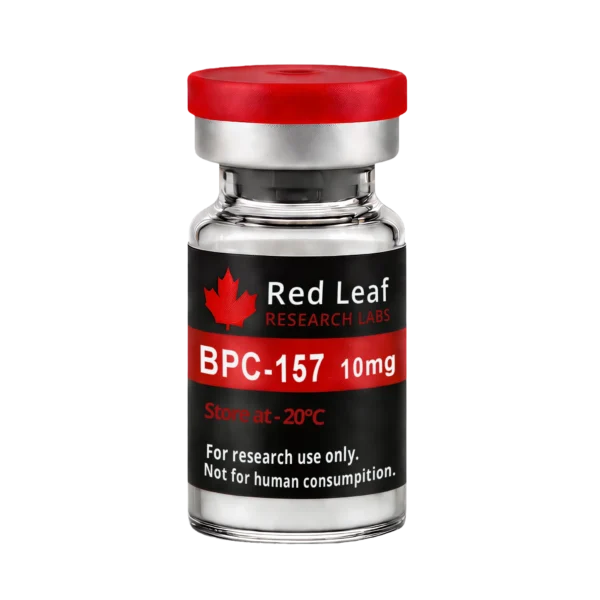 BPC-157 (10mg)$75 CAD · research use only
 GHK-Cu 100mg – 3ml Vial$64.99 CAD · research use only
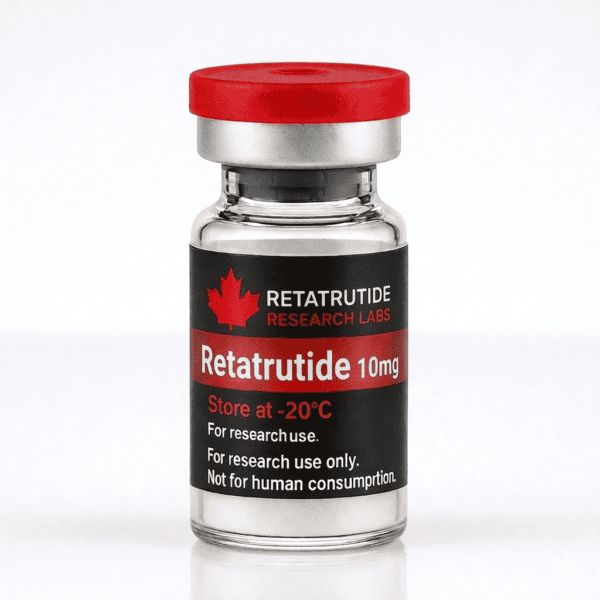 Retatrutide$79.99 CAD · research use only
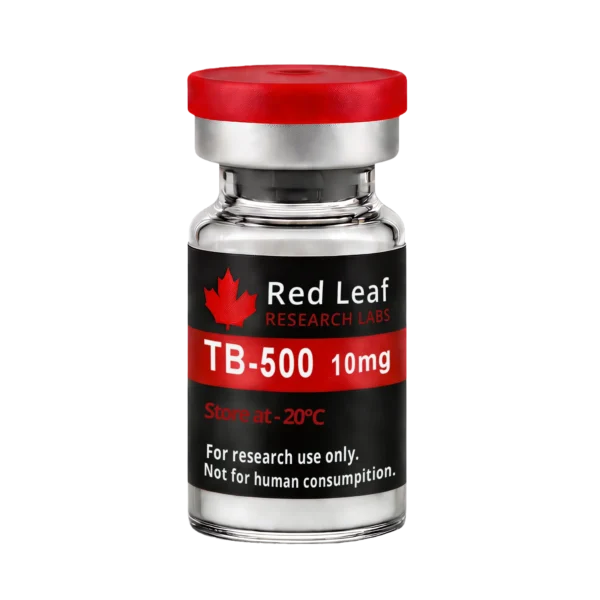 TB-500 (10mg)$84.99 CAD · research use only
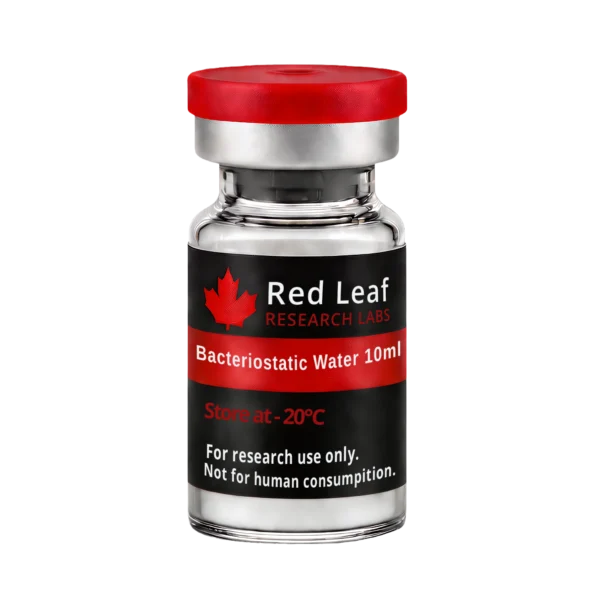 Bacteriostatic Water$10 CAD · research use only
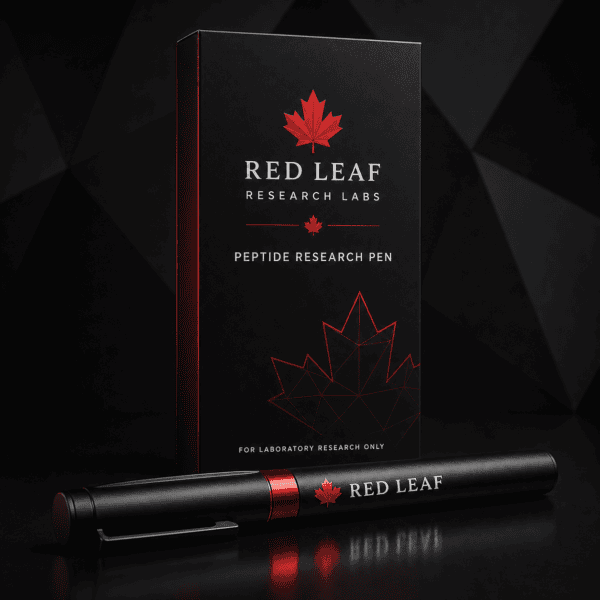 Peptide Pens Canada – Red Leaf Research Pen Add-On$99 CAD · research use only
Every product page carries its batch lab report with a verification link you can check at the testing laboratory, not just a PDF we host.
Research use only. Products sold by Red Leaf Research Labs are not approved by Health Canada for cosmetic application, therapeutic treatment, injection, ingestion, or any form of human or animal use. No claims are made regarding clinical outcomes, safety or efficacy. Pricing and stock are current at the time of publication and subject to change.