Owned and operated by a cf veteran

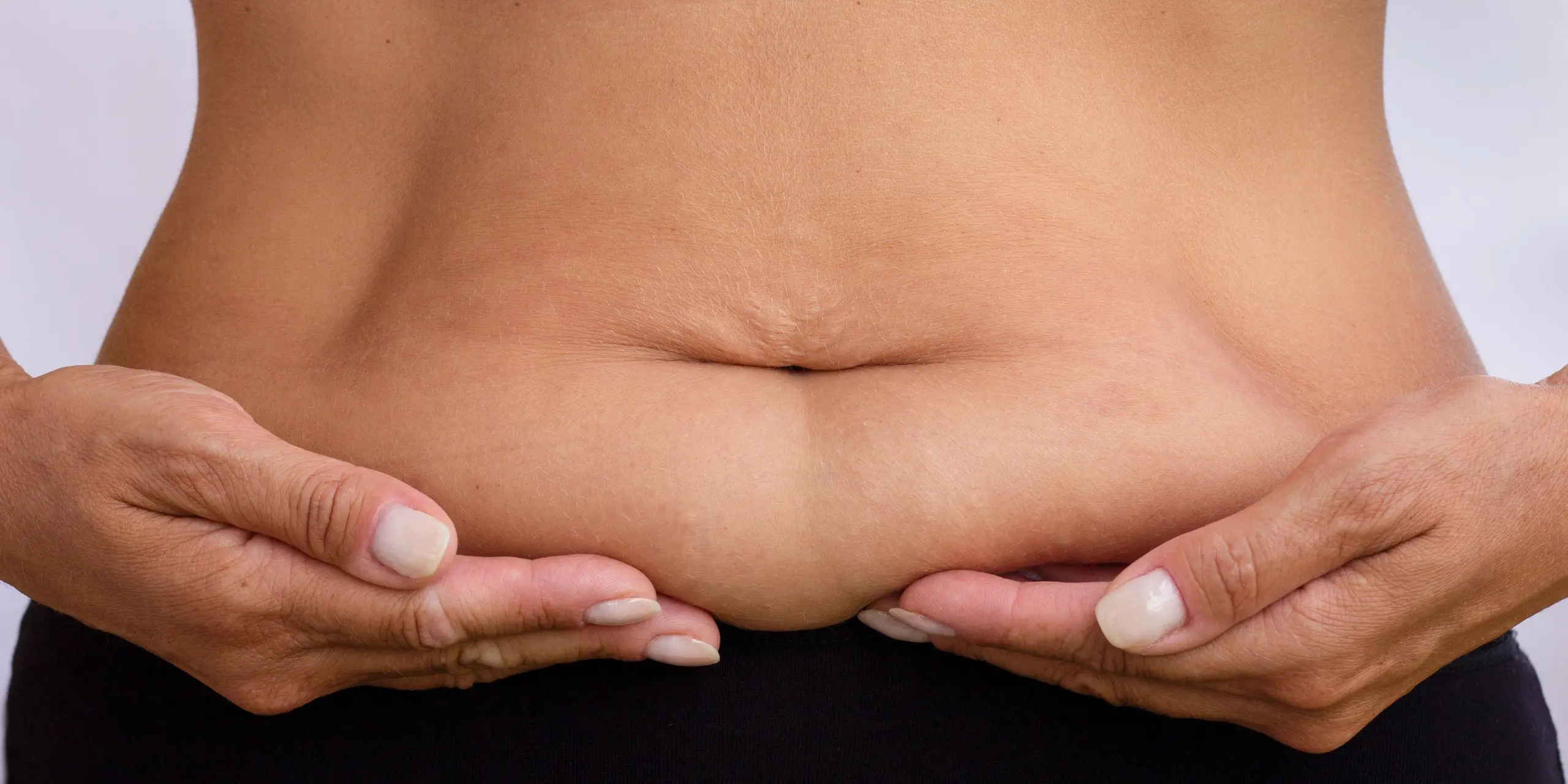
You lost the weight. Now the skin is hanging on. Here is why skin goes loose, what helps first, and what the research really says about peptides like GHK-Cu, glutathione and epitalon. Plain words, no hype.
- 7 peptides compared
- 1 easy evidence graph
- 3M Canadians on GLP-1 drugs
- 0 miracle cures
Loose skin after weight loss happens because skin was stretched for a long time. The springy parts inside it wore out. Some of it tightens on its own over one to two years. A lot of it does not.
The best first steps are not peptides. Build muscle with strength training, eat enough protein, lose weight at a steady pace, stay out of the sun, and do not smoke.
Of the peptides people talk about, GHK-Cu (copper peptide) has the most skin research behind it. Glutathione, epitalon, SNAP-8, BPC-157 and TB-500 have much less. No peptide has been shown to fix large folds of loose skin. For that, surgery is still the only real fix.
Scroll to the peptide graph for the side-by-side view with pros and cons.
- The short version
- Why skin goes loose
- Who gets the most
- Ozempic face
- Does it go away?
- What helps first
- What peptides are
- The peptide graph
- Pros and cons table
- GHK-Cu
- Glutathione
- Epitalon
- SNAP-8
- BPC-157 and TB-500
- Collagen powder
- Claims to watch for
- When surgery is the answer
- Picking a supplier
- Products
- Common questions
- Bottom line
The short version
- Loose skin is stretched skin that lost its snap. The springy fibres inside it were worn down.
- Small amounts can tighten over one to two years. Large folds usually stay.
- Strength training, protein, steady loss and sun care come first. They are cheap and they work.
- GHK-Cu has the most skin research of any peptide here. Most of it is on faces, in creams.
- Glutathione, epitalon, SNAP-8, BPC-157 and TB-500 have thin or indirect skin data.
- Collagen powder looks good in company-paid studies. Independent studies found no clear effect.
Why skin goes loose after weight loss
Think of your skin like a knit sweater.
The yarn is collagen. It makes skin strong. The stretchy band at the cuff is elastin. It lets skin stretch and then snap back.
Inside the skin are tiny workers called fibroblasts. Think of them as the knitters. They make new yarn and new stretchy band all the time.
Now picture a sweater pulled over a big box for ten years. The yarn gets thin. The cuff band gets tired. Take the box away, and the sweater does not shrink back. It just hangs.
This is not just a guess. In one study, doctors looked at skin taken from ten people during surgery after major weight loss. These people had lost about 132 pounds on average. Under the microscope, the collagen was messy and badly lined up. The elastin was broken down. There were small scars inside skin that looked normal from the outside. This was true even over a year later.
That matters for peptides. A peptide that tells the knitters to knit more might help the yarn a little. It cannot shrink a sweater that is two sizes too big.
Who gets the most loose skin?
Two people can lose the same weight and end up with very different skin. Here is why.
“Ozempic face” and fast weight loss in Canada
About three million Canadian adults now take a GLP-1 drug like Ozempic or Mounjaro, according to a survey reported by The Canadian Press in March 2026. Many lose weight fast.
That speed has a side effect people have given a nickname: “Ozempic face.” It means a face that looks older, hollow or saggy after quick weight loss.
The drug is not “melting” your face. Your face just lost fat like the rest of you. Cheek fat acts like padding. Take it away fast and the skin on top folds and droops.
The same thing can happen on the neck, arms, belly and thighs. It is not special to one drug. The drugs just made fast loss more common.
Researching weight-loss peptides like retatrutide or tirzepatide? Our side-by-side of semaglutide, tirzepatide and retatrutide covers how those compounds differ. Our retatrutide side effects guide covers the rest.
Can loose skin go away on its own?
Some of it can. Most people see some tightening in the first year or two. The knitters keep working and the skin slowly settles.
But there are limits. A big apron of belly skin after losing 100 pounds will not go away on its own. No cream, pill, or peptide changes that.
A simple test: pinch the loose area. A thick roll is still partly fat, and that can still shrink. A thin fold, like a sheet of paper, is mostly skin. That is much harder to change.
What helps first (before any peptide)
These steps are cheap, safe, and backed by more evidence than any peptide.
Lift weights
Strength training builds muscle under the skin. Muscle fills some of the empty space. The skin looks firmer because it has something to lie on.
Eat enough protein
Your knitters need raw material. Losing weight on too little protein costs you muscle and gives skin less to work with.
Go steady
A slower pace gives skin more time to adjust. This matters most if you are losing a lot of weight.
Guard your skin
Wear sunscreen, even in a Canadian winter. Do not smoke. Both break down collagen faster than your body can replace it.
What peptides are, in plain words
A peptide is a short chain of amino acids. Amino acids are the small building blocks that make up protein. A protein is a long chain. A peptide is a short one.
In our sweater picture, many peptides act like notes. A note gets passed to the knitters. It might say “knit more yarn,” or “fix this hole,” or “clean up this mess.”
Skin peptide research asks one thing: can a note get the knitters working harder? So far, for some notes, a little. For most, we do not know yet.
Where a peptide was studied matters too. A face cream trial is not the same as a lab dish or a rat. A lab dish result is a clue, not proof.
New to all this? Our peptide guide for beginners starts from zero.
The peptide graph: how much skin research is behind each one?
Each dot shows how much real skin research exists for that peptide. Further right means more, and better, research. It shows how much we know, not how well it works.
A plain-language read of the published research, grouped into bands. It is not to scale and it is not a score of how well anything works. None of these has been shown to fix large folds of loose skin.
Pros and cons of each peptide
Here is the same list with the good and the bad side by side. Scroll sideways on a phone.
| Peptide | What it is | Pros | Cons |
|---|---|---|---|
| GHK-Cu | Copper peptide, 3 amino acids, found in your own blood | Best skin data here. 12-week face cream trials showed thicker, firmer skin. Levels drop with age, so the idea makes sense. | Most studies are on faces and sun damage, not weight loss. No study shows it tightens a belly fold. |
| Glutathione | Your body’s main antioxidant, 3 amino acids | One controlled trial saw fewer wrinkles in 12 weeks. Protects cells from wear and tear. | Mostly studied for skin lightening. Elasticity change in that trial was not significant. |
| Epitalon | Lab-made 4-amino-acid peptide from Russian aging research | Interesting for general aging. Raised telomerase in lab cells. | No real skin-tightening data. Most studies come from one research group. |
| SNAP-8 | 8-amino-acid cosmetic peptide | Studied in creams for fine lines from muscle movement, like crow’s feet. | Works on creases, not sag. Does nothing for loose skin from weight loss. |
| BPC-157 | 15-amino-acid peptide first found in stomach juice | Helped wounds heal faster in many animal studies. | Almost all animal data. Healing a cut is not the same as tightening skin. |
| TB-500 | Short piece of thymosin beta-4 | Helps cells move to a wound. Faster wound closing in animal studies. | Same gap as BPC-157. Repair, not tightening. Little human data. |
| Collagen powder | Food supplement of broken-down collagen | Cheap, easy, sold in every Canadian drugstore. Lots of trials. | Good results mostly in company-paid studies. Independent studies found no clear effect. |
GHK-Cu: the one with the most skin research
GHK-Cu is a tiny peptide, just three amino acids long, holding onto a copper atom. That is why people call it the copper peptide. It is not made up in a lab from nothing. Your own blood carries it.
Here is why researchers care. At age 20, the blood level of GHK is about 200 ng/mL. By age 60, it falls to about 80 ng/mL. That drop lines up with skin repair slowing down.
What the skin studies found
In one study, 71 women with sun-aged faces used a GHK-Cu face cream for 12 weeks. Their skin got thicker and denser. It was less loose. Fine lines and wrinkle depth went down.
In another, 41 women used a GHK-Cu eye cream for 12 weeks. It did better than a dummy cream and a vitamin K cream.
In a third, GHK-Cu cream was put on thigh skin for 12 weeks. Collagen went up in 70% of the women. For vitamin C cream, it was 50%. For retinoic acid, it was 40%.
The “70% more collagen” claim you will see online
Some sellers say GHK-Cu “boosts collagen by 70%.” That number is real but used the wrong way. It comes from a lab dish. Skin cells in a dish were given GHK-Cu plus LED light, and collagen made in the dish went up 70% compared to light alone.
That is a clue, not 70% more collagen in your stomach skin. When someone skips that detail, ask what else they skipped.
Pros and cons in plain words
- Pro: the most human skin data of anything on this page.
- Pro: your body already makes it, and levels fall with age.
- Con: nearly all trials used creams on faces, eyes or thighs, mostly for sun damage.
- Con: no trial has tested it on loose skin after big weight loss.
Want the full story? Read our GHK-Cu history and research guide and our piece on copper peptides and skin care. The research material itself is our GHK-Cu peptide in Canada, with its lab report on the page.
Glutathione: the clean-up crew
Glutathione is your body’s main antioxidant. It is a small peptide too, made of three amino acids. Every cell in your body makes it.
In the sweater picture, glutathione is the clean-up crew. Sun, smoke and daily living make damaged bits called free radicals. They chew holes in the yarn. Glutathione mops them up.
What the skin research found
The best skin study is small but well run. Sixty healthy women took glutathione by mouth, 250 mg a day, or a dummy pill, for 12 weeks. The glutathione group had fewer wrinkles in some spots than the dummy group. Skin elasticity trended better, but the change was too small to count as a clear result.
Most other glutathione skin research is about making skin lighter, not tighter. So be careful with anyone selling it as a loose-skin fix.
- Pro: protects the yarn from daily damage.
- Pro: at least one controlled human trial on skin.
- Con: the elasticity result was not significant.
- Con: most of its skin research is about colour, not firmness.
Research material: Glutathione 1500mg.
Epitalon: the aging clock idea
Epitalon is a short lab-made peptide, just four amino acids. It came out of Russian aging research by Vladimir Khavinson and his team.
Its big idea is about the ends of your DNA. They have caps called telomeres, a bit like the plastic tips on shoelaces. Each time a cell copies itself, the tips wear down. An enzyme called telomerase can rebuild them. In lab studies, epitalon raised telomerase in human cells grown in a dish.
But that happened in a dish and in animals. No solid trial shows it tightens human skin. Most of the work also comes from one research group.
- Pro: an interesting target for general aging research.
- Pro: studied for decades, so there is a long paper trail.
- Con: no real loose-skin or skin-tightening data.
- Con: little independent research outside Russia.
Learn more in our epitalon history and research guide, or see Epitalon 50mg.
SNAP-8: good for creases, not for sag
SNAP-8 is a cosmetic peptide, eight amino acids long. You will find it in a lot of face creams.
It works on a different problem. Some wrinkles come from muscles moving the same way over and over, like crow’s feet or frown lines. SNAP-8 is studied for calming those small muscle signals, so the creases soften.
Loose skin is not a muscle crease. It is stretched yarn. So SNAP-8 is the wrong tool here. We include it because people ask.
- Pro: made for skin and used in creams.
- Con: targets expression lines, not loose or sagging skin.
Our SNAP-8 guide has the full picture.
BPC-157 and TB-500: the repair crew
BPC-157 is a 15-amino-acid peptide first found in stomach juice. TB-500 is a short piece of a natural protein called thymosin beta-4. In animal studies, both helped wounds close faster. TB-500’s parent protein helps cells move to where the damage is.
In our picture, they are the patch-up crew for holes and tears. That is useful for a cut. But loose skin is not a hole. It is too much sweater. Fixing tears does not make the sweater smaller.
- Pro: lots of animal wound-healing research.
- Con: very little human data of any kind.
- Con: no study of loose skin after weight loss.
Our BPC-157 vs TB-500 guide explains how they differ.
What about collagen powder?
Collagen powder is what most Canadians try first. It is made of peptides too, since the collagen is broken into small pieces.
The catch: your gut breaks it down like any protein. It does not reach your belly skin as ready-made yarn.
A big 2025 review in the American Journal of Medicine looked at 23 trials with 1,474 people. When all the trials were lumped together, collagen seemed to help skin. But when the researchers split them up, the good results came from studies paid for by companies. Studies without company money showed no clear effect. High-quality studies showed no clear effect either.
So collagen powder is cheap and safe for most people. Just do not expect it to pull loose skin tight.
Claims to watch for
Loose skin is easy to sell to. Be careful with these four claims.
When surgery is the real answer
If you have large folds of skin, especially on the belly, surgery is often the only thing that truly fixes it. Common surgeries are a tummy tuck, an arm lift, a thigh lift and a lower-body lift.
In Canada, provincial health plans do not pay for cosmetic surgery. Some provinces may cover removal of a hanging belly fold, called a panniculectomy, when it causes real medical problems like rashes or infections that keep coming back. The rules differ by province. Your family doctor is the place to start that talk.
Most surgeons want your weight stable for several months first.
How to pick a research supplier
For lab research, the supplier matters as much as the peptide.
- Find the test sheet first. Before the price and the reviews. No third-party lab report on the page means stop there.
- Check the report is real. A good report has a verify link or code you can check on the lab’s own site.
- Match the numbers. The amount on the report should match the amount on the label.
- Look for honest claims. Research sellers should not promise results in people.
- Ship from Canada. Domestic shipping is faster and avoids customs trouble.
- Get the basics right. You need clean bacteriostatic water and good maths. Our peptide calculator handles the maths.
All of our lab reports are on our independent testing page.
Products mentioned in this guide
Every item below ships from Canada with its third-party lab report on the product page. For research use only.
 GHK-Cu 100mg$64.99
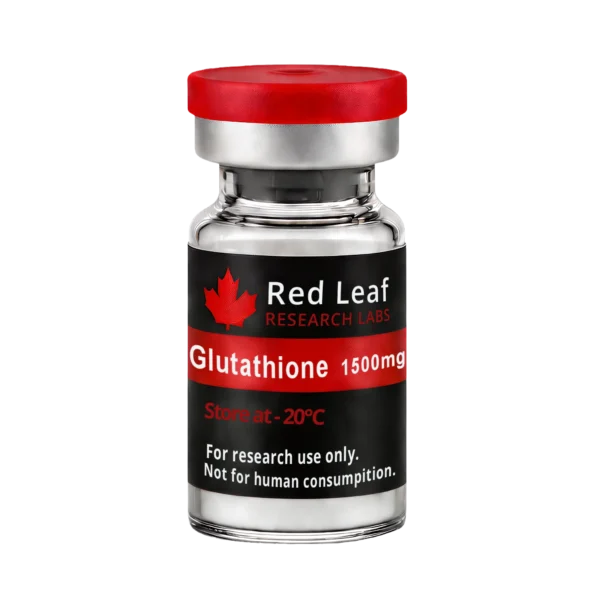 Glutathione 1500mg$59.99
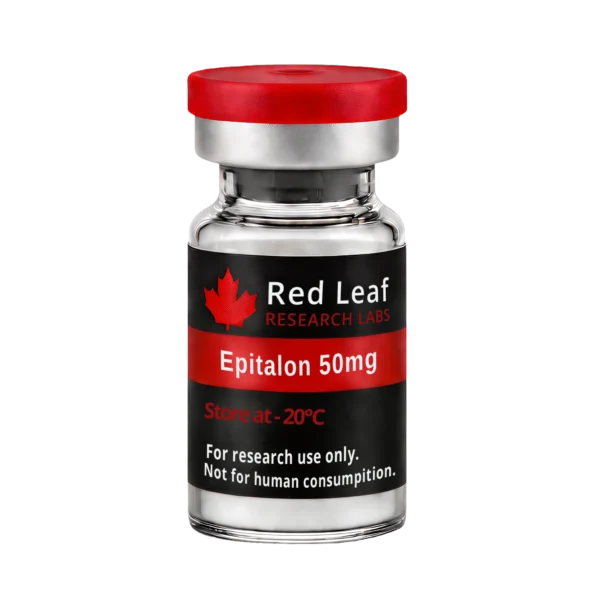 Epitalon 50mg$90
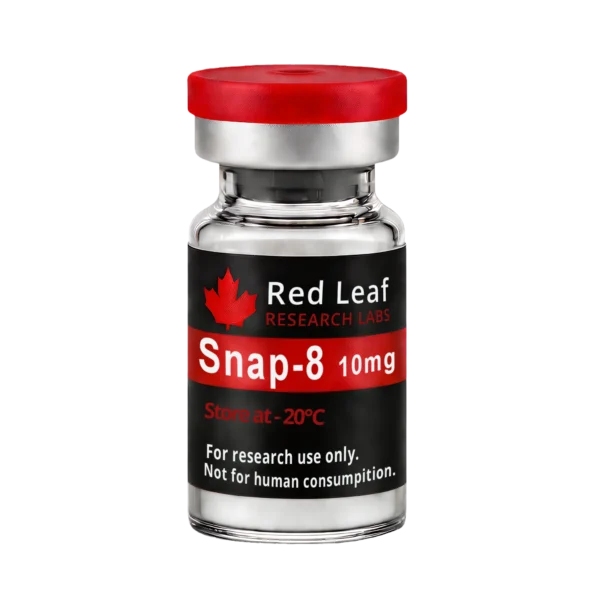 SNAP-8 10mg$59.99
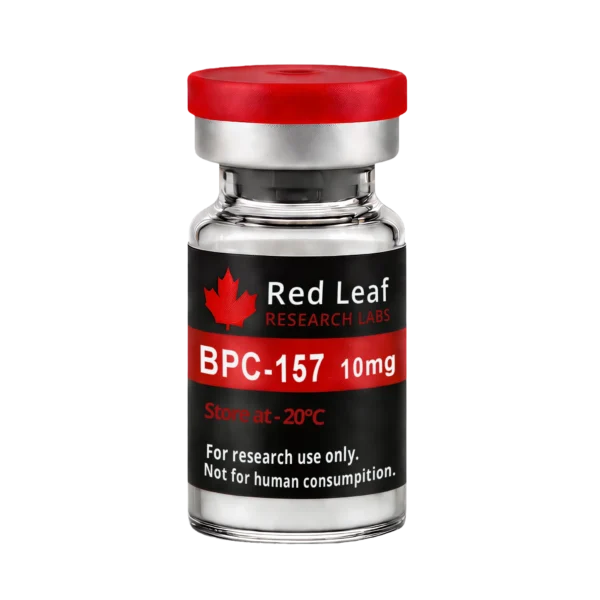 BPC-157 (10mg)$75
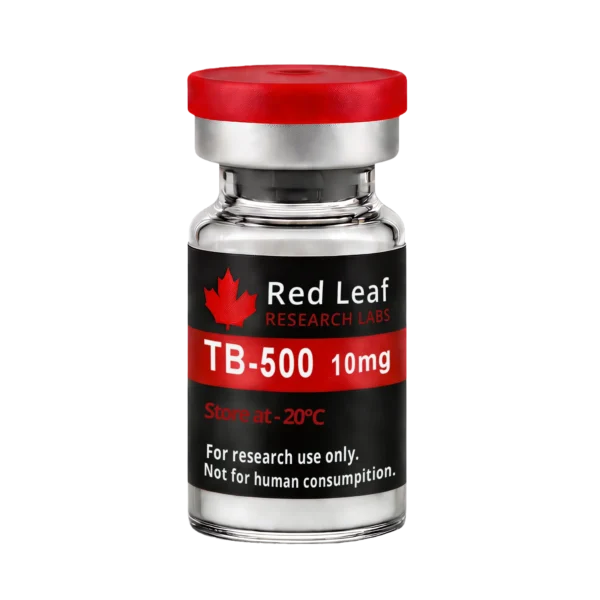 TB-500 (10mg)$84.99
Common questions
Why do I have loose skin after weight loss?
Your skin stretched for a long time to cover a bigger body. The collagen and elastin inside it wore out. When the weight left, the skin could not fully shrink back.
Does loose skin go away on its own?
Some does, mostly in the first one to two years. Small amounts on younger skin improve the most. Large folds after big weight loss usually stay.
How do I get rid of saggy skin after weight loss?
Start with strength training, enough protein, steady weight loss, sunscreen and no smoking. For large folds, surgery is the only proven fix.
Which peptide is best for sagging skin?
GHK-Cu has the most skin research, mostly face creams used for 12 weeks. No peptide has been proven to tighten loose skin after big weight loss.
Does GHK-Cu tighten loose skin?
In face cream studies, GHK-Cu made skin thicker, denser and less loose over 12 weeks. It has not been tested on belly or arm skin after weight loss.
Is glutathione good for loose skin?
It is an antioxidant that protects skin. One trial saw fewer wrinkles, but no clear change in elasticity. Most of its research is about skin colour.
Does epitalon help skin?
Epitalon raised telomerase in lab cells. There is no solid human trial showing it tightens skin.
What is Ozempic face?
It is a nickname for a hollow, older or saggy face after fast weight loss on a GLP-1 drug. The face lost its fat padding quickly and the skin drooped.
Can you prevent Ozempic face?
Losing weight more slowly, lifting weights, eating enough protein and protecting skin from sun may lower the risk. Some facial volume loss is still normal.
Does collagen powder help loose skin?
A 2025 review of 23 trials found good results mainly in company-paid studies. Independent and high-quality studies showed no clear effect.
Does OHIP or my province cover skin removal?
Cosmetic surgery is not covered. Some provinces may cover removing a hanging belly fold if it causes repeat medical problems. Ask your family doctor.
Where can I buy GHK-Cu peptide in Canada?
Red Leaf sells GHK-Cu 100mg for research use, shipped from Canada with a third-party lab report on the page.
Bottom line
Loose skin after weight loss is worn-out, over-stretched skin. Some of it tightens with time. Big folds usually do not.
The cheap basics come first: lift, eat protein, go steady, block the sun, skip the smoke. Of the peptides, GHK-Cu has the most real skin research, but it was mostly tested on faces, not on skin left behind after losing weight. The rest have thin data or are aimed at a different problem.
That is not the exciting answer. It is the true one, and you deserve it before you spend a dollar.
Every Red Leaf vial carries an independent lab report with a verify link, right on the product page. Free express shipping on Canadian orders over $250.
GHK-Cu (100mg)Browse the full catalogueResearch use only. All products sold by Red Leaf Research Labs are laboratory materials supplied for in-vitro research and are not for human or veterinary use. Nothing on this page is medical advice, a dose, or a protocol. Full wording on our legal terms page.