Owned and operated by a cf veteran

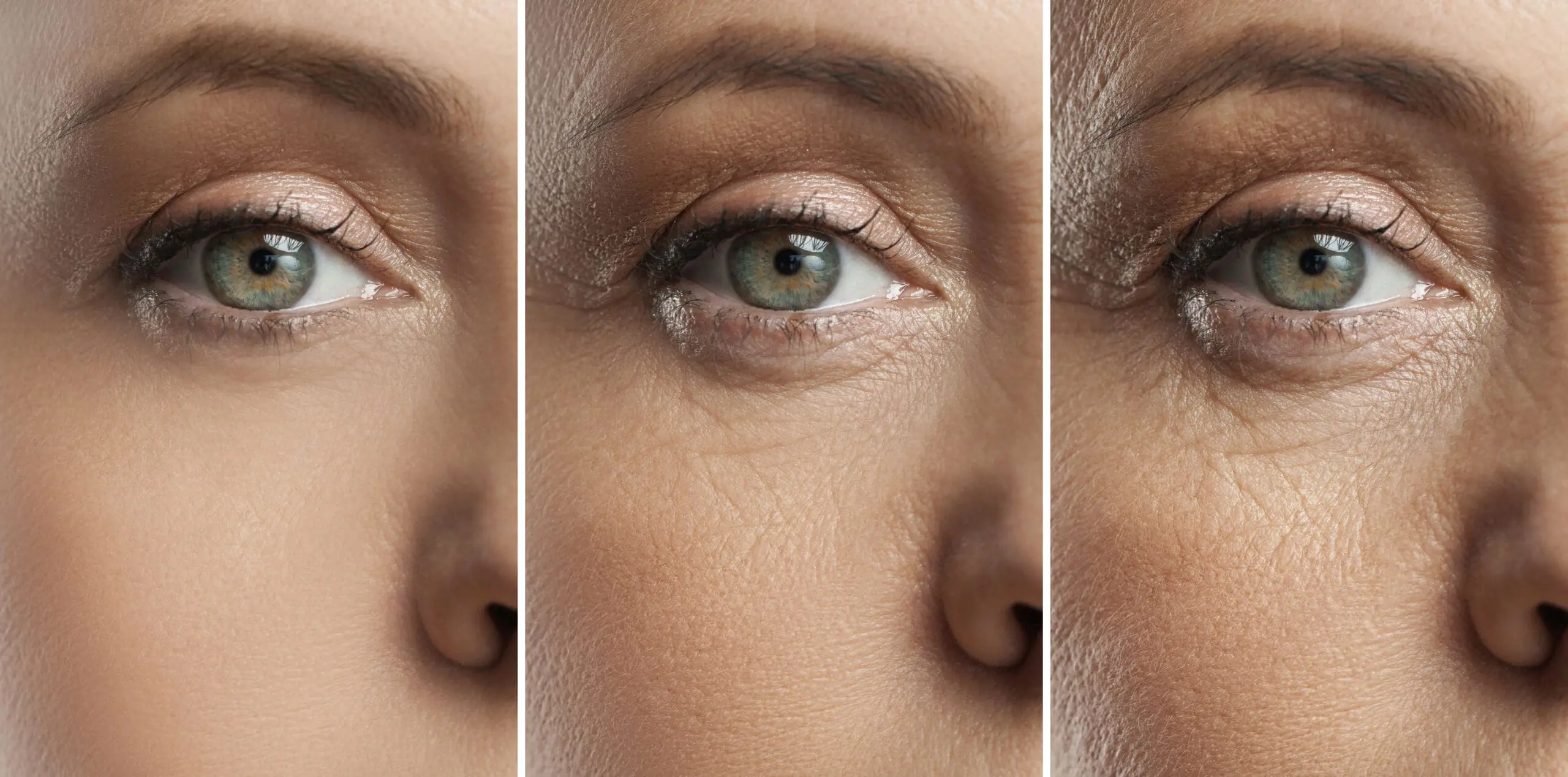
The Soviet gerontology programme behind Epitalon, and what the research actually established.
- Pineal peptide
- Soviet-era origins
- Preclinical evidence
- Research use only
Epitalon came out of Soviet gerontology research on pineal peptides and telomerase. The early work is genuinely interesting and it is also old, small and mostly unreplicated outside the group that produced it. It is not approved anywhere, and the longevity claims made online sit well beyond what was tested.
- What is Epitalon peptide?
- The Soviet search for signals of aging
- Why the pineal gland mattered
- Telomeres turned Epitalon into a longevity phenomenon
- What has animal research found?
- What about human research?
- Proposed Epitalon peptide benefits: claim versus evidence
- The evidence ladder: how strong is the case?
- What are the known Epitalon side effects?
- Epitalon peptide in Canada: legal and regulatory context
- Why Epitalon remains scientifically interesting
- From longevity legend to laboratory question
- Frequently asked questions about Epitalon
- References and further reading
Research and safety notice: This article is educational and does not provide medical advice, dosing instructions or instructions for human use. Epitalon is not an approved drug in Canada. Products described as “research use only” are not authorized for self-experimentation, therapeutic use, injection, ingestion or use in humans or animals.
In the final decades of the Soviet Union, a group of researchers in Leningrad pursued an idea that sounded almost alchemical: perhaps aging organs could be encouraged to function more youthfully by exposing them to tiny regulatory signals extracted from those same organs.
Their experiments began with peptide-rich preparations derived from animal tissues. The pineal gland—the small, light-sensitive endocrine organ best known for its relationship to melatonin and the sleep–wake cycle—became a particular focus. From this line of research emerged epithalamin, a complex pineal preparation, and later a far simpler laboratory-made molecule: Epitalon.
Epitalon contains only four amino acids. Yet this tetrapeptide has acquired an
outsize reputation. It is variously described online as a telomerase activator, sleep peptide, antioxidant and “anti-aging” compound. Some accounts go much further, suggesting it can reverse biological aging or extend human life.
The real story is more interesting—and more uncertain—than either the marketing or the scepticism implies. Cell experiments, animal studies and a limited body of older clinical research provide legitimate reasons for scientific interest. They do not establish Epitalon as a proven longevity treatment. The distinction is especially important for Canadians: Health Canada has specifically identified Epitalon among unauthorized injectable peptide products and advises consumers not to buy or use such products.
This is the strange journey of Epitalon: from Soviet gerontology institutes to modern peptide laboratories, and from a compelling biological hypothesis to claims that often outrun the evidence.
What is Epitalon peptide?
Epitalon—also written Epithalon—is a synthetic tetrapeptide with the amino-acid sequence alanine–glutamic acid–aspartic acid–glycine, commonly abbreviated Ala-Glu-Asp-Gly or AEDG.
Four amino acids make it remarkably small. For comparison, insulin contains 51 amino acids arranged in two linked chains. Epitalon’s short sequence is one reason it attracts researchers interested in the possibility that very small peptides can influence gene expression, cellular signalling and tissue-specific regulatory pathways.
The names surrounding it can cause confusion:
- Epitalon and Epithalon generally refer to the same synthetic AEDG tetrapeptide.
- Epithalamin refers to a more complex peptide preparation originally derived from animal pineal tissue.
- AEDG peptide is a sequence-based name for Epitalon.
- Epitalon is not melatonin, although both are frequently discussed in connection with the pineal gland and circadian biology.
That first distinction is crucial. Findings from studies of epithalamin cannot automatically be treated as findings about pure synthetic Epitalon. A tissue extract can contain numerous peptides and other components. Even if Epitalon was designed to reproduce an activity associated with epithalamin, the two materials are not experimentally interchangeable.
The Soviet search for signals of aging
Epitalon’s origins are usually associated with Russian gerontologist Vladimir Khavinson and colleagues working in Leningrad, now Saint Petersburg. Beginning in the 1970s, this research program investigated short peptides isolated from animal organs and their possible regulatory effects in corresponding tissues.
The work belonged to a larger scientific effort to understand aging as a process that might be influenced, not merely endured. Soviet gerontology developed within a distinctive political and medical environment. Researchers were interested in preserving function among older adults and people working under demanding conditions, while the country maintained specialized institutes capable of long-running biological studies.
The pineal gland was an appealing target. It helps coordinate circadian timing through melatonin secretion, and melatonin rhythms commonly change with age. If age-related decline involved disrupted communication between the brain, endocrine system and peripheral tissues, pineal peptides offered a possible way to study that communication.
Early investigators used epithalamin, the animal-derived pineal preparation. Epitalon was subsequently developed as a defined synthetic tetrapeptide associated with this research program. A defined molecule offers obvious scientific advantages over a variable tissue extract: its sequence can be specified, synthesized and tested under more controlled conditions.
But the transition from extract to tetrapeptide also created a lasting problem in the literature. Popular summaries sometimes blend studies of epithalamin and Epitalon into one seamless evidence base. A careful review must keep them separate.
Why the pineal gland mattered
The pineal gland sits near the centre of the brain and converts information about environmental light into an endocrine signal. In darkness, it typically produces more melatonin; exposure to light at night can suppress or shift that rhythm.
Circadian timing affects far more than sleep. Daily biological clocks help organize hormone release, metabolism, immune function, body temperature and cellular repair. Aging is frequently accompanied by weaker or less precisely timed rhythms, although the pattern varies substantially among individuals.
This gave Soviet peptide researchers a plausible conceptual model: a pineal-derived signal might affect aging indirectly by influencing the timing systems that coordinate many physiological processes. It was a broader idea than “a peptide that makes people sleep.”
Modern research supports the importance of circadian biology in healthy aging. That does not prove Epitalon can restore it. It explains why the hypothesis has remained scientifically attractive.
Body-clock disruption is also the daily reality of anyone working nights. What the research says about that, and about the sleep peptide people reach for first, is in DSIP, shift work and sleep apnea.
Telomeres turned Epitalon into a longevity phenomenon
Epitalon might have remained an obscure chapter in Russian gerontology if not for telomeres.
Telomeres are repeated DNA sequences and associated proteins that protect chromosome ends. They are often compared with the plastic tips on shoelaces: without protected ends, chromosomes would be more vulnerable to degradation or inappropriate joining. In many somatic cells, telomeres tend to shorten with repeated cell division. Critically short or dysfunctional telomeres can contribute to cellular senescence or genomic instability.
Telomerase is an enzyme complex that can extend telomeric DNA. It is active in germ cells, certain stem-cell populations and many cancer cells, but is low or absent in most ordinary adult somatic cells.
This biology makes telomerase sound like an obvious anti-aging switch. It is not that simple. Telomere length is only one aspect of aging; longer is not automatically better; and the relationship between telomerase and cancer biology demands caution. Many malignant cells exploit telomerase or an alternative telomere-lengthening pathway to continue dividing.
Epitalon became famous because laboratory studies reported effects on telomerase activity and telomere length. An early study in human somatic cell cultures reported telomerase activation and extension of proliferative lifespan. More recently, a 2025 Biogerontology paper treated normal epithelial cells, fibroblasts and breast-cancer cell lines with Epitalon. The authors reported dose-dependent telomere extension in normal cells alongside increased hTERT expression and telomerase activity. They also observed alternative lengthening of telomeres, or ALT, in the cancer cell lines.
Those results strengthen the case that Epitalon can affect telomere biology in cultured cells. They do not show that taking Epitalon lengthens a person’s healthy lifespan. A cell culture is a simplified model, and changing telomeres in a dish is not equivalent to improving the health of a whole organism.
The cancer-cell findings also complicate simplistic marketing. They do not establish that Epitalon causes or treats cancer. They show why activating telomere-maintenance pathways is biologically complex and why controlled safety research matters.
What has animal research found?
Animal and invertebrate experiments make up a substantial portion of the Epitalon evidence base.
In a 2000 study, researchers added Epitalon to the culture medium during the developmental stage of Drosophila melanogaster. Adult flies reportedly lived 11–16% longer under the experimental conditions. Other studies from related research groups have examined spontaneous tumours, oxidative processes, reproductive aging and lifespan in rodents.
These studies are hypothesis-generating. They can reveal mechanisms and justify further investigation, but they cannot determine whether an intervention is safe or effective in humans. Lifespan effects in flies are especially difficult to translate because insects, rodents and humans differ in metabolism, life history, exposure and disease patterns.
There are also methodological questions to consider when reading this literature:
- Many studies are small by modern standards.
- A large share comes from a relatively concentrated network of investigators.
- Some papers are available only in Russian or as brief English translations.
- Replication by independent groups is limited.
- Experimental materials, routes and schedules vary.
- Positive lifespan findings do not necessarily demonstrate improved healthspan.
None of those limitations makes the work meaningless. They reduce the certainty of the conclusions that can responsibly be drawn from it.
What about human research?
Claims of proven human longevity are the weakest part of popular Epitalon narratives.
Some human studies associated with the Soviet and post-Soviet research program evaluated peptide preparations in older adults. One often-cited 15-year follow-up described 79 older coronary patients: 39 received courses of epithalamin in addition to basic therapy, while 40 received basic therapy alone. The publication reported favourable differences in several physiological measures and mortality.
This is intriguing, but it was epithalamin—not necessarily synthetic Epitalon—and the study does not meet the evidentiary standard of a large, independently replicated, modern clinical trial. It cannot establish that Epitalon extends human life.
The US Food and Drug Administration’s 2026 review of Epitalon-related bulk drug substances is particularly informative. In evaluating Epitalon for insomnia, the agency reviewed the available evidence and noted major gaps in characterization, effectiveness and safety. The FDA also stated that it found no approved products containing Epitalon in Canada or several other examined jurisdictions.
The fairest summary is therefore:
- There is a meaningful preclinical research history.
- There are mechanistic findings worthy of follow-up.
- Older human research involving pineal peptide preparations is suggestive but difficult to generalize.
- Robust evidence from large, well-controlled human trials of synthetic Epitalon is absent.
- Human life extension has not been demonstrated.
Proposed Epitalon peptide benefits: claim versus evidence
Searches for Epitalon peptide benefits often lead to confident lists. The evidence is better understood as a series of research questions.
Telomerase activation and telomere maintenance
This is Epitalon’s best-known proposed mechanism. Cell-culture evidence supports an effect on telomerase-related pathways in some experimental systems. The leap from that observation to whole-body rejuvenation is unproven.
Telomeres are not a universal biological clock. Different tissues have different telomere dynamics, measurement methods have limitations, and many factors influence aging independently of telomere length.
Sleep and circadian rhythm
Because Epitalon arose from pineal research, it is often claimed to normalize melatonin and improve sleep. Older studies of pineal peptide preparations reported changes in melatonin rhythms in elderly participants, while animal studies have explored interactions with light exposure and neuroendocrine timing.
This remains an area of investigation, not an established treatment. Evidence that the pineal gland and melatonin are involved in sleep does not by itself prove that Epitalon safely treats insomnia. In 2026, the FDA specifically evaluated the insomnia rationale and found the evidence insufficient for a favourable clinical conclusion.
Antioxidant and cellular stress responses
Laboratory studies have reported changes in antioxidant enzymes, oxidative stress markers and gene-regulatory processes. These findings may help explain effects observed in experimental models. “Antioxidant,” however, is not a clinical outcome. A change in a laboratory marker does not establish disease prevention or increased lifespan.
Immune and inflammatory signalling
Cell studies have examined Epitalon and related short peptides in immune-cell models. A 2022 study of several so-called Khavinson peptides reported modulation of proliferative or inflammatory pathways in THP-1 cells, although effects differed among the peptides tested.
That is early-stage mechanistic work. It does not establish an immune-boosting effect in people, and “boosting” the immune system would not necessarily be desirable in every context.
Healthy aging and lifespan
Lifespan findings in flies and some rodents are the origin of this claim. No high-quality evidence demonstrates that Epitalon extends human lifespan. It is more accurate to call it a peptide studied in aging models than an anti-aging therapy.
The evidence ladder: how strong is the case?
One way to avoid being misled is to sort findings by level of evidence.
| Evidence level | What exists for Epitalon | What it can tell us |
|---|---|---|
| Molecular and computational work | Proposed interactions with DNA, chromatin and regulatory pathways | Possible mechanisms to test |
| Cell culture | Telomerase, hTERT, telomere and signalling findings | Activity in isolated cell systems |
| Invertebrate models | Lifespan effects in fruit flies | Whether a biological signal warrants more study |
| Rodent models | Aging, tumour and neuroendocrine experiments | Effects in a mammalian model, with limited human translation |
| Human research | Limited and often tied to epithalamin or older study designs | Preliminary clinical signals, not definitive proof |
| Regulatory approval | No approved Epitalon drug in Canada | Safety, efficacy and quality have not been established for therapeutic use |
The popular story often begins at the bottom and talks as if every rung has been climbed. It has not.
What are the known Epitalon side effects?
There is no reliable, comprehensive adverse-event profile from large controlled human trials. That absence should not be interpreted as proof of safety. It means the risk is uncertain.
Online anecdotes mention fatigue, headache, dizziness, sleep changes and local reactions, but anecdotes cannot establish frequency, causation or severity. More important unknowns include immune reactions, contamination, dosing variability, interactions with medications and the consequences of altering telomerase-related pathways.
Product quality adds another layer of risk. A vial can have the wrong identity, concentration or purity even when a website labels it “research grade.” A purity percentage alone does not establish sterility, endotoxin control, correct net content or suitability for human use. A certificate of analysis is useful for research procurement only when its sample identity, method, laboratory, lot number and chain of custody can be meaningfully verified.
Epitalon peptide in Canada: legal and regulatory context
For Canadians, the most important fact is straightforward: Epitalon is not an approved therapeutic drug.
In April 2026, Health Canada warned that unauthorized injectable peptides sold online can pose serious health risks. Epitalon appeared explicitly in the agency’s list of examples. Health Canada advised consumers not to buy or use these unauthorized products and noted that authorized drugs sold in Canada carry an eight-digit Drug Identification Number, or DIN.
“Research use only” does not convert an unapproved product into an authorized treatment. Nor do statements such as “made in Canada,” “pharmaceutical grade,” “third-party tested” or “99% pure.” Those phrases can describe certain product or testing claims, but they are not substitutes for Health Canada authorization.
Legitimate non-clinical laboratories assessing an Epitalon research material would normally consider matters such as:
- verified chemical identity;
- peptide sequence and molecular mass;
- assay and purity methods;
- impurities and degradation products;
- net peptide content;
- lot-specific documentation;
- appropriate storage and stability controls;
- chain of custody; and
- the requirements of the institution’s biosafety, ethics and procurement policies.
These are research-quality considerations, not instructions for personal use.
Why Epitalon remains scientifically interesting
It would be easy to dismiss Epitalon because of exaggerated longevity marketing. That would miss the genuinely interesting questions beneath it.
Can a four-amino-acid peptide produce reproducible changes in chromatin or gene regulation? Are its telomerase effects cell-type specific? What explains the ALT response observed in cancer cell lines? Can any circadian findings be separated from the effects associated with complex epithalamin extracts? Do preclinical changes correspond to meaningful improvements in healthspan? And what toxicology findings emerge when modern methods are used?
These questions are testable. Strong answers would require independent replication, well-characterized material, pharmacokinetic work, dose-ranging toxicology and properly registered clinical trials with credible controls and clinically meaningful endpoints.
The next chapter of Epitalon’s story should come from transparent methods rather than folklore.
From longevity legend to laboratory question
Epitalon occupies an unusual place in peptide research. It is neither a modern internet invention nor a clinically proven rejuvenation treatment. It emerged from a decades-long Soviet research program, moved through animal and cell studies, and entered popular culture when telomeres became a symbol of biological aging.
Its four-amino-acid sequence is real. Its effects in some experimental systems are real observations. The broader claims made around those observations are frequently unsupported.
For researchers, that tension is precisely what makes Epitalon worth studying. For Canadian consumers, it is also why caution is essential. Health Canada has not approved Epitalon, and the agency has warned specifically about unauthorized injectable peptide products. Until strong human evidence and regulatory review exist, Epitalon belongs in carefully controlled research—not in promises of a longer life.
Frequently asked questions about Epitalon
What is Epitalon peptide?
Epitalon is a synthetic peptide made from four amino acids: alanine, glutamic acid, aspartic acid and glycine. Its sequence is abbreviated AEDG. It was developed in connection with research into pineal-gland peptide preparations and aging.
Are Epitalon and Epithalon the same thing?
Yes. Epitalon and Epithalon are alternate transliterations generally used for the same synthetic AEDG tetrapeptide. Including both spellings helps readers find the relevant scientific literature.
Is Epitalon the same as epithalamin?
No. Epithalamin is a complex preparation derived from animal pineal tissue, whereas Epitalon is a defined synthetic tetrapeptide. Results from epithalamin studies should not automatically be attributed to Epitalon.
What is Epitalon studied for?
Epitalon has been studied in laboratory models involving telomerase, telomere length, cellular aging, circadian biology, oxidative stress, gene regulation and lifespan. Most of this evidence is preclinical.
Does Epitalon lengthen telomeres?
Some cell-culture studies report increased telomerase activity or telomere length after Epitalon exposure. A 2025 study reported telomere extension in normal human cell lines through hTERT and telomerase upregulation. This does not establish telomere lengthening, improved health or longer life in humans.
Does Epitalon reverse aging?
No reliable clinical evidence shows that Epitalon reverses human aging. “Anti-aging” is a broad marketing phrase, not a demonstrated medical outcome.
Does Epitalon extend lifespan?
Certain fly and rodent studies have reported lifespan effects. There is no high-quality evidence that synthetic Epitalon extends human lifespan.
Is Epitalon a sleep peptide?
Epitalon is researched in connection with the pineal gland, melatonin rhythms and circadian biology. It is sometimes marketed as a sleep peptide, but it is not an approved insomnia treatment in Canada and clinical evidence remains insufficient.
Does Epitalon make you sleepy?
There is not enough controlled human evidence to determine reliably whether Epitalon causes sleepiness. Online anecdotes cannot establish a predictable effect or a safe adverse-event profile.
What are the potential benefits of Epitalon peptide?
Proposed research areas include telomere maintenance, circadian regulation, oxidative stress and cellular aging. These should be described as hypotheses or preclinical findings—not proven benefits for people.
What are the side effects of Epitalon?
A dependable side-effect rate has not been established because large, well-controlled human safety trials are lacking. Unknown product identity, contamination, sterility failures and inconsistent concentration may create additional risks in unauthorized products.
Is Epitalon approved in Canada?
No. Health Canada has specifically listed Epitalon among unauthorized injectable peptide products and advises consumers not to buy or use them. An authorized drug sold in Canada will have an eight-digit DIN on its label.
Can Epitalon be sold as “research use only” in Canada?
Research reagents and therapeutic drugs are not the same regulatory category. A “research use only” label does not authorize self-experimentation or human use and does not demonstrate that a product is safe, effective or approved by Health Canada.
Is Epitalon legal to inject in Canada?
Epitalon is not an approved injectable drug in Canada. Health Canada warns against buying or using unauthorized injectable peptides. Questions about a specific product or personal legal situation should be directed to Health Canada or a qualified Canadian professional.
What is an Epitalon dosage?
No Health Canada-approved Epitalon dosage exists. This article does not provide a dose, cycle, reconstitution method or injection instructions because safety and efficacy have not been established for human use.
How is Epitalon administered?
Experimental studies have used different routes and protocols. They should not be converted into self-use instructions. There is no approved Canadian product label establishing a safe route or regimen.
Is Epitalon found naturally in the body?
Epitalon is best described as a synthetic AEDG tetrapeptide developed from research on pineal peptide preparations. It should not be casually equated with a naturally circulating human hormone.
Is Epitalon a telomerase activator?
It has demonstrated telomerase-related activity in some cell models, so the phrase is common in research discussions. It does not mean that Epitalon is a proven or safe telomerase therapy in humans.
Could telomerase activation be risky?
Potentially. Telomerase and alternative telomere-lengthening mechanisms are involved in the ability of many cancers to keep dividing. This does not prove Epitalon causes cancer, but it makes careful cell-specific research and long-term safety testing essential.
How strong is the human evidence for Epitalon?
It is weak compared with the evidence required for an approved therapy. The literature contains older studies and studies of related pineal preparations, but lacks large, independent, well-controlled clinical trials of synthetic Epitalon.
Why are so many Epitalon studies from Russia?
Epitalon emerged from a Soviet and later Russian peptide-gerontology research program. That history explains the geographical concentration. Independent replication in multiple laboratories and populations would increase confidence.
References and further reading
- Health Canada. Think twice before injecting peptides bought online: unauthorized products can seriously harm you. 2026.
- Al-Dulaimi S, et al. Epitalon increases telomere length in human cell lines through telomerase upregulation or ALT activity. Biogerontology. 2025.
- Khavinson VK, et al. Effect of Epitalon on the lifespan increase in Drosophila melanogaster. Mechanisms of Ageing and Development. 2000.
- Korkushko OV, et al. Peptide geroprotector from the pituitary gland inhibits rapid aging of elderly people: results of 15-year follow-up. Bulletin of Experimental Biology and Medicine. 2011. Note that the abstract describes epithalamin.
- US Food and Drug Administration. 2026 Pharmacy Compounding Advisory Committee materials: Epitalon-related bulk drug substances. 2026.
- Calabrò A, et al. Peptides regulating proliferative activity and inflammatory pathways in the monocyte/macrophage THP-1 cell line. 2022.
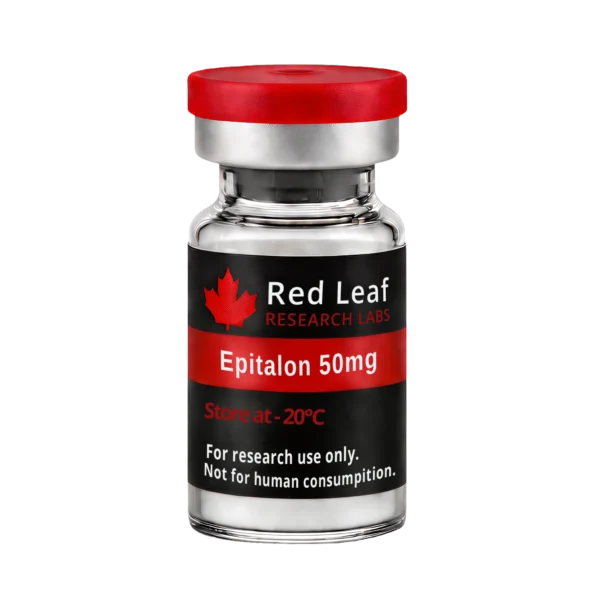 Epitalon 50mg$90 CAD · research use only
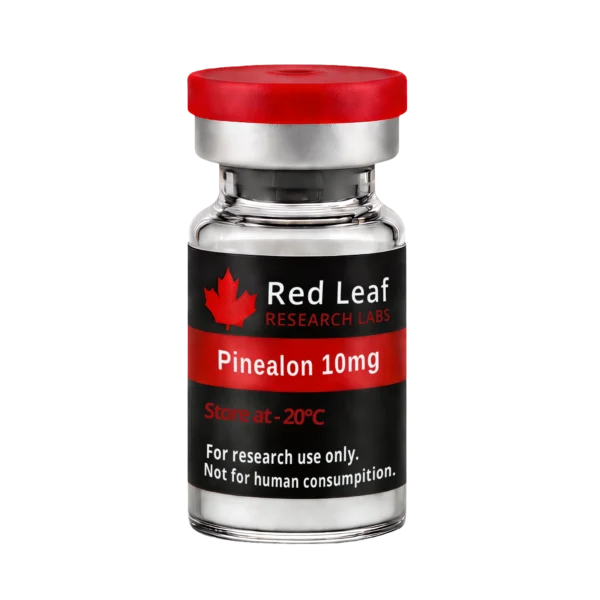 Pinealon 10mg$65 CAD · research use only
 NAD+$120 CAD · research use only
 SS-31 50mg$150 CAD · research use only
 Bacteriostatic Water$10 CAD · research use only
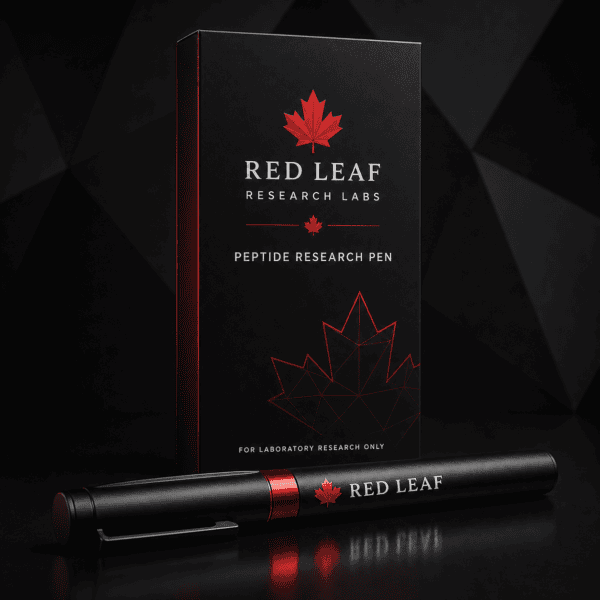 Peptide Pens Canada – Red Leaf Research Pen Add-On$99 CAD · research use only
Every product page carries its batch lab report with a verification link you can check at the testing laboratory, not just a PDF we host.
Research use only. Products sold by Red Leaf Research Labs are not approved by Health Canada for cosmetic application, therapeutic treatment, injection, ingestion, or any form of human or animal use. No claims are made regarding clinical outcomes, safety or efficacy. Pricing and stock are current at the time of publication and subject to change.