Owned and operated by a cf veteran


What BPC-157 is, what researchers have studied it for, and where the evidence stops.
- Lab-made peptide
- Rodent injury models
- No human approval
- Research use only
BPC-157 is a lab-made peptide studied mostly in rodent models of gut, tendon and muscle injury. Those studies report interesting effects. They do not establish anything about people, and no regulator has approved it for any use.
- Quick guide
- What Is BPC-157?
- How Was BPC-157 Discovered?
- Why Are Researchers Interested in BPC-157?
- What Does Current Research Say About BPC-157?
- How Does BPC-157 Work?
- Is BPC-157 Naturally Occurring?
- Is BPC-157 Approved for Human Use?
- Why Is BPC-157 So Popular?
- Extensive Research History
- Multiple Biological Pathways
- Ongoing Scientific Interest
- Broad Research Applications
- Frequently Asked Questions About BPC-157
- Final Thoughts
- References
- Key Takeaways
Quick guide
BPC-157 is a lab-made peptide used in early research. This guide explains the main ideas in plain terms.
- Labs study how it may affect cell signals.
- Some work looks at tissue stress and repair.
- Most results come from lab or animal models.
- More sound research is still needed.
BPC-157 is sold for lab research only. It is not approved to treat or cure a health issue. A result in a lab may not apply to people. Check each study, its size, and its limits before you draw a claim.
How to read the research
Start with the question a study asks. Check the test model, group size, time frame, and end points. Look for a control group. Note what the study does not prove. These steps can help you read the data with less bias.
What Is BPC-157?
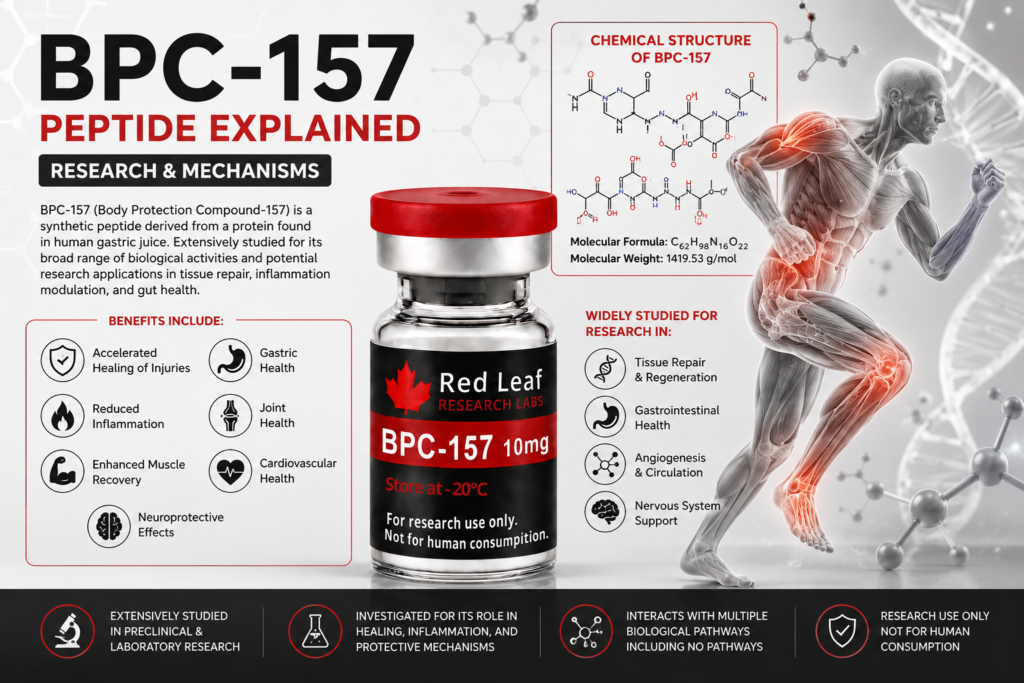
BPC-157 is one of the most widely discussed peptides in modern research. Over the past several decades, scientists have investigated this compound in laboratory and animal studies, leading to growing interest throughout the peptide research community.
The name BPC-157 stands for Body Protection Compound-157. It is a synthetic peptide consisting of 15 amino acids and is derived from a protein sequence associated with gastric juice.
Researchers first became interested in BPC-157 because of its apparent stability and its ability to interact with multiple biological pathways in experimental settings.
Today, BPC-157 remains an active area of scientific investigation and continues to be studied by researchers around the world.
How Was BPC-157 Discovered?
The origins of BPC-157 can be traced back to research involving protective proteins found within the gastrointestinal system.
Scientists investigating naturally occurring compounds observed biological activity associated with specific peptide sequences. Over time, researchers isolated and synthesized what became known as BPC-157.
Since its discovery, numerous studies have examined the peptide’s interactions with various biological systems, making it one of the most extensively researched peptides in preclinical literature.
Why Are Researchers Interested in BPC-157?
One of the reasons BPC-157 attracts scientific interest is its broad range of biological interactions.
Published studies have investigated its relationship with:
- Cellular signaling pathways
- Blood vessel formation processes
- Connective tissue biology
- Gastrointestinal function
- Nitric oxide systems
- Nervous system signaling
Because these pathways are involved in many normal biological functions, researchers continue to investigate how BPC-157 interacts with them under experimental conditions.
What Does Current Research Say About BPC-157?
Most available research involving BPC-157 comes from laboratory and animal studies.
Scientists have examined BPC-157 in a variety of experimental models involving:
Tendons and Ligaments
Several published studies have explored BPC-157’s interactions with connective tissue structures in animal models. Researchers continue to investigate how the peptide influences cellular processes associated with these tissues.
Muscle Research
Experimental studies have examined the peptide’s relationship with muscle tissue and biological adaptation mechanisms. These investigations remain an active area of research.
Gastrointestinal Studies
Because BPC-157 originated from research involving gastric proteins, many studies have focused on gastrointestinal systems. Researchers continue exploring how the peptide interacts with various biological processes associated with digestive tissues.
Blood Vessel Biology
Scientists have also examined how BPC-157 may influence pathways involved in angiogenesis, the process through which new blood vessels form from existing vessels.
Nervous System Research
Emerging studies have investigated potential interactions between BPC-157 and certain neurotransmitter and signaling pathways within experimental models.
How Does BPC-157 Work?
Researchers have not yet fully determined all mechanisms associated with BPC-157.
However, studies suggest that the peptide may interact with multiple biological systems simultaneously.
Some proposed mechanisms include:
- Regulation of nitric oxide pathways
- Cellular communication signaling
- Angiogenic processes
- Gene expression modulation
- Tissue maintenance pathways
The peptide’s ability to influence multiple signaling systems is one reason why it continues to attract attention within the scientific community.
Is BPC-157 Naturally Occurring?
The peptide sequence from which BPC-157 was developed is associated with proteins found in gastric juice.
The version commonly used in research settings today is a synthesized peptide designed for scientific investigation and laboratory study.
Is BPC-157 Approved for Human Use?
BPC-157 is not approved by Health Canada, the U.S. Food and Drug Administration (FDA), or most major international regulatory agencies as a prescription medication.
As a result, BPC-157 is generally categorized as an experimental research compound.
Researchers and institutions should always follow applicable regulations, ethical guidelines, and institutional requirements when conducting peptide research.
Why Is BPC-157 So Popular?
Several factors contribute to BPC-157’s popularity within the research community:
Extensive Research History
BPC-157 has been studied for decades, resulting in a substantial body of published scientific literature.
Multiple Biological Pathways
Unlike some compounds that primarily affect a single pathway, BPC-157 appears to interact with numerous biological systems.
Ongoing Scientific Interest
Researchers continue publishing studies investigating the peptide’s mechanisms and biological properties.
Broad Research Applications
Because BPC-157 has been studied across multiple experimental models, it remains relevant to a variety of scientific disciplines.
Frequently Asked Questions About BPC-157
What does BPC-157 stand for?
BPC-157 stands for Body Protection Compound-157, a synthetic peptide consisting of 15 amino acids.
Is BPC-157 a peptide?
Yes. BPC-157 is a synthetic peptide commonly used in scientific research and laboratory investigations.
Why is BPC-157 popular among researchers?
Researchers are interested in BPC-157 because studies suggest it may interact with multiple biological pathways, including those involved in cellular signaling and tissue biology.
Is BPC-157 naturally occurring?
BPC-157 was derived from a protein sequence associated with gastric juice, although the peptide used in research settings is synthesized.
Is BPC-157 approved as a drug?
No. BPC-157 is not approved by Health Canada or the FDA as a prescription medication.
Final Thoughts
BPC-157 remains one of the most discussed peptides in modern scientific research. Its unique origin, extensive research history, and interactions with multiple biological systems continue to make it a topic of interest among scientists and researchers worldwide.
Although many questions remain unanswered, ongoing studies continue to expand our understanding of this intriguing peptide and its biological properties.
References
- Sikiric P, Seiwerth S, Rucman R, et al. Stable Gastric Pentadecapeptide BPC-157: Novel Cytoprotective Mediator and Stable Gastric Pentadecapeptide. Current Pharmaceutical Design. 2011.
- Sikiric P, Hahm KB, Blagaic AB, et al. Stable Gastric Pentadecapeptide BPC-157 and Wound Healing. Journal of Physiology and Pharmacology. 2020.
- Huang T, Zhang K, Sun L, et al. Experimental Studies Investigating BPC-157 and Tendon Biology. Medical Science Monitor. 2015.
- Seiwerth S, Brcic L, Vuletic LB, et al. BPC-157 and Angiogenesis Research in Experimental Models. Frontiers in Pharmacology.
- PubMed Database – Published Research on BPC-157:
https://pubmed.ncbi.nlm.nih.gov/?term=BPC-157
Estimated reading time: 5 minutes
Key Takeaways
- BPC-157, or Body Protection Compound-157, is a synthetic peptide known for its stability and interactions with various biological pathways.
- Researchers have studied BPC-157’s effects on tendon biology, muscle tissue, gastrointestinal systems, blood vessel formation, and nervous system signaling.
- Even though BPC-157 is derived from gastric proteins, the commonly used version in research is synthesized and not approved for human use by regulatory agencies.
- Its extensive research history and broad biological interactions contribute to BPC-157’s popularity in the scientific community.
- Ongoing studies aim to uncover the peptide’s mechanisms and applications, making BPC-157 a frequently discussed compound in modern research.
Products:
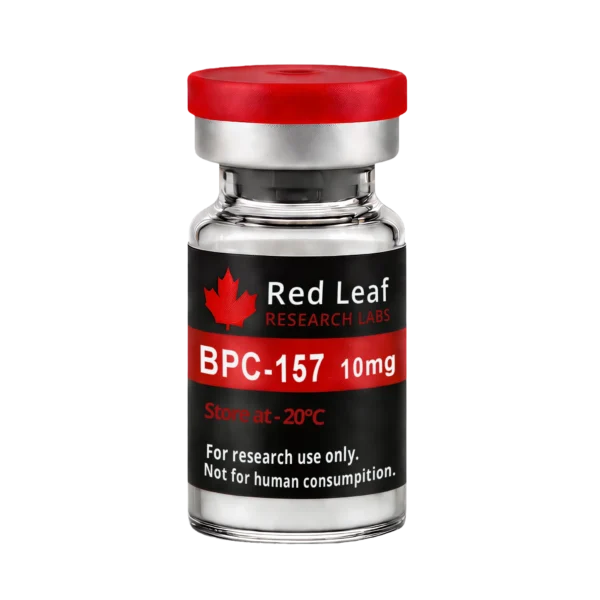 BPC-157 (10mg)$75 CAD · research use only
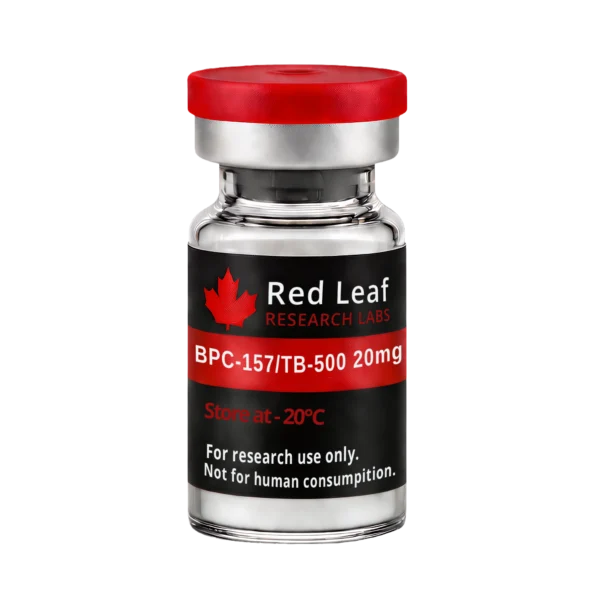 BPC-157 / TB-500 20mg$110 CAD · research use only
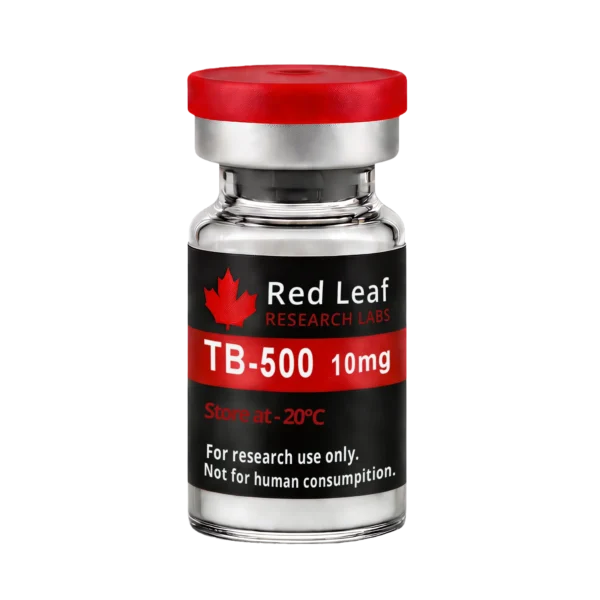 TB-500 (10mg)$84.99 CAD · research use only
 GHK-Cu 100mg – 3ml Vial$64.99 CAD · research use only
 Bacteriostatic Water$10 CAD · research use only
 Peptide Pens Canada – Red Leaf Research Pen Add-On$99 CAD · research use only
Every product page carries its batch lab report with a verification link you can check at the testing laboratory, not just a PDF we host.
Research use only. Products sold by Red Leaf Research Labs are not approved by Health Canada for cosmetic application, therapeutic treatment, injection, ingestion, or any form of human or animal use. No claims are made regarding clinical outcomes, safety or efficacy. Pricing and stock are current at the time of publication and subject to change.