Owned and operated by a cf veteran


Why peptides and anabolic steroids are not the same category, chemically or legally.
- Different molecules
- Different mechanisms
- Different legal status
- Research use only
No. Steroids are ring-structured molecules derived from cholesterol that act on hormone receptors inside the cell. Peptides are short amino-acid chains that mostly act on receptors on the cell surface. Different chemistry, different mechanism, and different legal treatment in Canada.
- Peptides vs. steroids at a glance
- What are peptides?
- What are steroids?
- Are peptides a steroid? The chemistry gives a definite answer
- What peptides and steroids do have in common
- Why do people confuse peptides with steroids?
- Are peptides considered steroids in bodybuilding?
- Are peptides safer than steroids?
- Peptide medicines, supplements and research peptides are different
- Are peptides legal in Canada?
- Are peptides steroids under drug-testing rules?
- Do peptides build muscle like steroids?
- How peptide and steroid hormones signal differently
- Natural does not mean safe—and synthetic does not define the category
- Peptides, steroids and psychological effects
- How to evaluate claims about peptides versus steroids
- Frequently asked questions
- The bottom line
- References and further reading
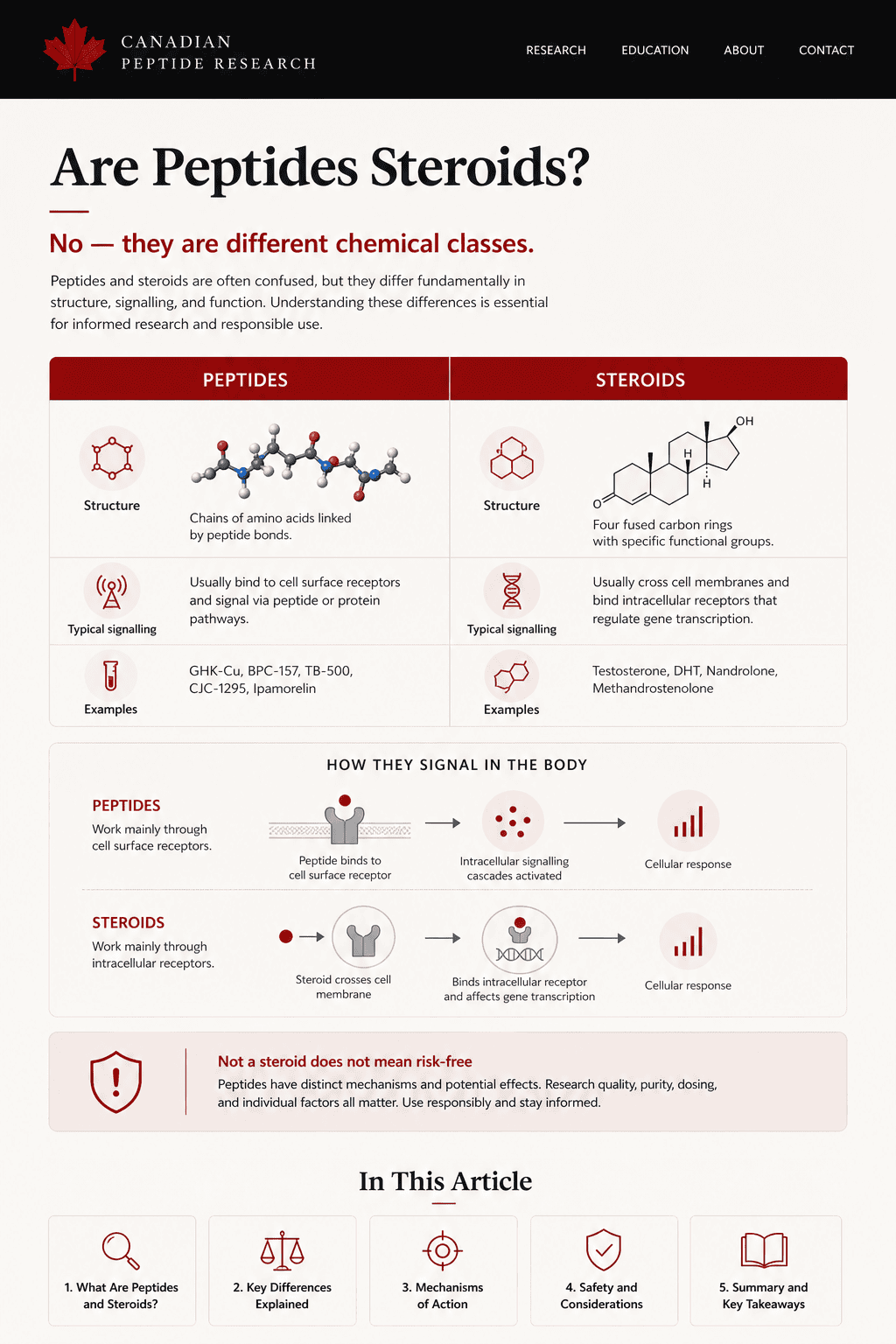
The short answer is no: peptides are not steroids. Peptides are chains of amino acids joined by peptide bonds, while steroids are compounds built around a characteristic four-ring carbon structure. They can influence some of the same biological systems, appear in the same fitness conversations and even be prohibited by the same sport organizations, but they are not the same type of molecule.
That simple answer is important, but it is only the beginning. “Peptide” describes an enormous family that includes naturally occurring signalling molecules, approved medicines, cosmetic ingredients, nutrition products and experimental laboratory compounds. “Steroid” is also broader than bodybuilding drugs: the steroid family includes cholesterol, cortisol, estrogen, progesterone, testosterone, prescription corticosteroids and anabolic-androgenic steroids.
For Canadians, the practical questions are therefore more useful than the label alone: Which specific compound are we discussing? Is it an authorized medicine, a nutritional ingredient or a research material? What does it do? What evidence supports it? What are the risks? Is it prohibited in sport? And is the product being represented accurately?
This guide answers those questions without treating every peptide as safe, every steroid as harmful or either category as interchangeable. It is educational information, not medical advice or a recommendation to use any performance- or appearance-enhancing substance.
Peptides vs. steroids at a glance
| Feature | Peptides | Steroids |
|---|---|---|
| Basic structure | Chains of amino acids connected by peptide bonds | Compounds based on a fused four-ring carbon framework |
| Typical biological origin | Produced from amino-acid sequences encoded and processed by cells | Often synthesized from cholesterol in the body |
| Examples in the body | Insulin, glucagon, oxytocin and many signalling peptides | Cortisol, aldosterone, testosterone, estrogen and progesterone |
| Common receptor pattern | Many bind to receptors on a cell’s surface and activate signalling cascades | Many cross cell membranes and bind intracellular or nuclear receptors |
| Important exceptions | Some peptides enter cells or use less typical signalling routes | Some steroid effects begin at membrane-associated receptors |
| Storage and stability | Sequence, temperature, moisture and enzymes can strongly affect stability | Often more lipid-soluble and chemically distinct from amino-acid chains |
| Use in medicine | Many established peptide and protein medicines exist | Many established steroid medicines also exist |
| Use in sport | Some peptide hormones and growth factors are prohibited | Anabolic agents are prohibited; rules depend on the substance and context |
| Can the category be called safe? | No. Risk depends on the exact peptide, evidence, quality, route and intended use | No. Risk depends on the exact steroid, dose, duration and medical context |
What are peptides?
Peptides are molecules made from amino acids—the same general building blocks used to make proteins. Amino acids connect through covalent peptide bonds, producing a chain with a specific order or sequence. That sequence matters. Changing one amino acid can alter a peptide’s charge, shape, stability, receptor affinity and biological activity.
There is no universally useful everyday cutoff separating a “peptide” from a small protein. Peptides are generally described as shorter amino-acid chains, while proteins are longer and often fold into more complex structures. The boundary is less important than the underlying fact: both are sequence-based molecules built from amino acids.
Peptides are not one single treatment or effect. In biology, different peptides act as hormones, neurotransmitters, immune signals, antimicrobial molecules and components of larger proteins. Some act locally. Others travel through the circulation. Some are biologically active for only a short period before enzymes break them down.
Familiar examples demonstrate how broad the category is:
- Insulin is a peptide hormone involved in blood-glucose regulation.
- Glucagon is a peptide hormone that helps raise blood glucose when needed.
- Oxytocin is a small peptide involved in several physiological and behavioural processes.
- Collagen peptides are mixtures of shorter chains produced from collagen proteins and used in nutrition products.
- GHK-Cu is a copper-binding tripeptide investigated in laboratory and cosmetic contexts.
- Semaglutide and related medicines are modified peptide-based drugs developed for specific medical indications.
Lumping all of these together and asking whether “peptides work” would be like asking whether “medicines work.” The answer depends entirely on the substance, purpose and quality of evidence.
For a broader introduction, read our internal guide on peptides and the Canadian research landscape.
What are steroids?
Steroids are organic compounds characterized by a fused system of four carbon rings. The classic steroid nucleus contains three six-membered rings and one five-membered ring. Small modifications around that scaffold create molecules with very different biological functions.
The word “steroid” is frequently used as shorthand for anabolic steroids, but that is chemically incomplete. Steroids include:
- Cholesterol, an essential component of cell membranes and a precursor to steroid hormones
- Cortisol, a glucocorticoid involved in metabolism, immune activity and the stress response
- Aldosterone, a mineralocorticoid involved in salt, fluid and blood-pressure regulation
- Testosterone and related androgens
- Estrogens and progesterone
- Prescription corticosteroids used for inflammatory and immune-related conditions
- Anabolic-androgenic steroids used medically in limited contexts and misused for muscle or performance enhancement
Consequently, saying “steroids are dangerous” without identifying the steroid and context is too broad. A prescribed corticosteroid inhaler is not the same product or use pattern as non-medical anabolic-steroid use. Likewise, a naturally occurring steroid hormone is not automatically equivalent to an illicit bodybuilding preparation.
Are peptides a steroid? The chemistry gives a definite answer
No. A peptide is not a steroid because the two categories are defined by different molecular structures.
A peptide has an amino-acid backbone. Scientists can describe it by its residue sequence, N-terminus, C-terminus, modifications and three-dimensional conformation. A steroid is described around its fused-ring scaffold and the chemical groups attached to that framework.
This distinction changes how the molecules behave. It influences solubility, degradation, analytical testing, storage, receptor binding and delivery. A protease—the type of enzyme that breaks peptide bonds—does not treat a steroid as an amino-acid chain. Conversely, enzymes that metabolize steroid scaffolds do not turn a peptide into a steroid.
Under typical endocrine models, many peptide hormones are water-soluble and bind receptors at the cell surface. The receptor then transmits a signal into the cell through second messengers or other biochemical pathways. Many steroid hormones are lipid-soluble, cross the cell membrane and bind receptors in the cytoplasm or nucleus, where they can affect gene transcription.
These are useful patterns, not absolute laws. Steroid hormones can also produce rapid effects through membrane-associated receptors, and peptide signalling can be more complex than one receptor and one pathway. The existence of exceptions does not erase the chemical distinction. It simply reminds us that biology is more sophisticated than a basic comparison chart.
A scientific review of membrane-associated and nuclear steroid receptors illustrates why receptor location should not be used as the sole definition of either class.
What peptides and steroids do have in common
Although peptides and steroids are chemically different, they can share several higher-level features. Both can function as hormones or influence hormonal systems. Both can bind selectively to receptors and trigger downstream changes in cells. Both include naturally occurring molecules, authorized medicines and laboratory-made analogues. Finally, both can produce benefits in appropriate medical contexts and harm when misused, contaminated or taken without adequate evidence and monitoring.
They may also interact within the same physiological network. For example, a peptide signal released by the brain or pituitary gland may regulate the production of a steroid hormone in another organ. This relationship does not turn the peptide into a steroid; it shows how endocrine systems communicate through multiple chemical classes.
The overlap is most visible in performance discussions. A peptide and an anabolic steroid might both be investigated or misused in an attempt to influence body composition, yet reach that endpoint through very different pathways. Similar goals do not imply similar molecules, effectiveness or risks.
This is why a binary question—“peptides or steroids?”—can obscure more than it reveals. Responsible evaluation starts with the exact compound and the evidence for its particular use.
Why do people confuse peptides with steroids?
They appear in the same fitness conversations
Online discussions about bodybuilding, fat loss, recovery and “anti-aging” frequently group peptides, anabolic steroids, growth hormone, selective androgen receptor modulators and other performance- or appearance-enhancing drugs together. Being discussed in the same forum does not make them chemically related.
Some are administered in similar-looking ways
Certain medicines and unapproved compounds may be supplied in vials or administered by injection. An injection format says nothing about whether the active ingredient is a peptide, steroid, antibody, vitamin or another drug class. Route of administration is not molecular identity.
Some peptides affect hormone pathways
Certain peptides or peptide mimetics interact with pathways involving growth hormone, insulin, appetite, reproduction or metabolism. That hormonal connection can make people assume they are steroids. Hormone is a description of biological signalling, not a synonym for steroid. Hormones can be peptide-based, steroid-based or derived from other chemical classes.
Marketing blurs the categories
Some marketing describes peptides as “steroid alternatives” or promises steroid-like results without steroid-like risks. That comparison may attract attention, but it is not a reliable scientific classification or safety assessment. A compound can be chemically different from an anabolic steroid and still have meaningful risks, uncertain purity or inadequate human evidence.
Sport rules list both
Anti-doping rules prohibit anabolic agents and also prohibit certain peptide hormones, growth factors, related substances and mimetics. Placement on the same prohibited list reflects potential performance effects or athlete-safety concerns—not chemical equivalence.
Are peptides considered steroids in bodybuilding?
Chemically, no. In bodybuilding slang, however, people may place them under the broader umbrella of performance-enhancing drugs. That umbrella is behavioural and regulatory, not molecular.
Anabolic-androgenic steroids act through androgen receptors. Non-medical users may seek increased muscle protein synthesis, strength and changes in body composition. These effects can arrive with endocrine suppression, adverse cholesterol changes, elevated blood pressure, altered blood counts, fertility problems, liver injury with some agents, cardiac remodelling and psychological effects.
A 2025 review reported that anabolic-androgenic steroid exposure is associated with multisystem toxicity, including endocrine disruption, liver injury, mood effects and substantial cardiovascular concerns. Read the cardiovascular review.
Peptides discussed in bodybuilding do not share one mechanism. A growth-hormone secretagogue, a growth factor, a collagen fragment and a metabolic peptide may have little in common beyond containing amino acids or being discussed under the same marketing label. They cannot responsibly be treated as one “muscle-building peptide” class.
It is also misleading to claim that every peptide merely helps the body perform a natural process while steroids “force” unnatural effects. Both peptides and steroids can be naturally occurring or synthetic. Both can act on normal biological pathways. Pharmacological exposure can push a natural pathway beyond its usual range, regardless of the molecule’s chemical family.
Are peptides safer than steroids?
There is no category-wide answer. Some peptide products have extensive clinical evidence and established medical uses. Other peptides have limited human data or are sold as research materials with no demonstrated safety for self-administration. Similarly, some steroid medicines provide major benefits when appropriately prescribed, while non-medical anabolic-steroid use can carry serious risks.
“Not a steroid” does not mean:
- approved for human use
- proven effective for the advertised purpose
- free from endocrine effects
- free from cardiovascular or metabolic risks
- safe during pregnancy or breastfeeding
- compatible with other medications
- permitted in competitive sport
- manufactured accurately or sterily
The better risk questions are:
- What is the exact molecule?
- Is it authorized for this use?
- What human evidence exists?
- What dose and route were actually studied?
- Who should not use it?
- What are the known interactions and adverse effects?
- How trustworthy is the manufacturing and supply chain?
- Does the label match the contents?
Peptide risks vary widely. Depending on the substance, potential concerns may include nausea, vomiting, headache, fluid retention, changes in glucose regulation, appetite effects, injection-site reactions, allergic reactions, hormonal disturbances or interactions with existing conditions and medications. For experimental compounds, the long-term risk profile may simply be unknown.
Product quality is a separate issue from the molecule itself. An accurately manufactured authorized medicine is not equivalent to an unverified vial purchased online. Contamination, incorrect concentration, degradation, sterility failures and substituted ingredients can create risks that would not be predicted from the product name.
Peptide medicines, supplements and research peptides are different
The word “peptide” may appear on products that belong to very different regulatory and evidence categories.
Authorized peptide-based medicines
Some peptide or protein drugs have been evaluated for specific indications, manufactured under pharmaceutical controls and prescribed through legitimate healthcare channels. Their benefits, risks, contraindications and monitoring requirements depend on the individual medication.
The existence of approved peptide medicines does not validate every peptide sold online. Approval is product- and indication-specific.
Food and nutrition peptides
Hydrolyzed collagen and other dietary peptide mixtures are consumed as nutritional ingredients. They are not anabolic steroids, and they should not be assumed equivalent to injectable peptide drugs. Digestion, absorption, formulation and intended use are entirely different.
Cosmetic peptides
Peptides may appear in topical skincare products. A cosmetic ingredient used on the skin is not automatically interchangeable with a pharmaceutical injection or research compound. Formulation, skin penetration and evidence for the claimed cosmetic effect all matter.
Research-use peptides
Research materials may be supplied for analytical, laboratory or in-vitro work. “Research use only” is not a clinical safety designation. It does not establish sterility, effectiveness, dosing or suitability for human or animal administration.
Canadian researchers should distinguish legitimate laboratory procurement from consumer self-experimentation. A label that says “not for human consumption” should be understood literally, not as a loophole or hidden dosing invitation.
Are peptides legal in Canada?
There is no single yes-or-no legal status covering every peptide. Canadian treatment depends on the specific substance, product claims, intended use, authorization, prescription status and other applicable rules.
Some peptide-based medicines may be legally prescribed for authorized indications. Other compounds may be limited to legitimate research contexts or may not be authorized as therapeutic products. A substance’s availability on a website does not establish that it is approved, legal for a proposed use or manufactured to pharmaceutical standards.
Anabolic steroids and their derivatives are specifically addressed under Canada’s controlled-substances framework. The federal Controlled Substances Regulations list anabolic steroids and numerous derivatives. Peptides are not automatically placed in that category simply because they are associated with bodybuilding.
However, “not classified as an anabolic steroid” should never be read as “unregulated” or “approved.” Different laws and regulatory requirements may apply. Canadians seeking medical treatment should use licensed healthcare professionals and legitimate pharmacies. Laboratory organizations should follow applicable institutional, provincial and federal procurement, handling and research requirements.
This is general educational information, not legal advice. Rules and product authorizations can change, and the status of one peptide does not establish the status of another.
Are peptides steroids under drug-testing rules?
No, but both categories can contain prohibited substances.
The World Anti-Doping Agency organizes prohibited substances by classes that include anabolic agents as well as peptide hormones, growth factors, related substances and mimetics. The 2026 WADA Prohibited List includes certain growth-hormone-related substances, growth factors and other agents under its peptide-related provisions.
Athletes should not rely on a seller’s statement that a product is “not a steroid,” “natural” or “research grade.” None of those phrases means permitted in sport. They should check the exact ingredient against the current rules governing their sport and consult qualified sport-medicine or anti-doping personnel.
Contamination and mislabelling introduce another risk. Even a supplement or research product that does not list a prohibited ingredient could potentially contain one. Competitive athletes are generally responsible for substances detected in their samples, making source quality and independent certification important.
Do peptides build muscle like steroids?
Not as a single category. Anabolic steroids have a comparatively coherent relationship to androgen-receptor signalling and muscle protein synthesis. Peptides are too varied for one answer.
Some peptides have no plausible role in increasing muscle. Others are investigated in pathways involving growth hormone, growth factors, appetite, inflammation or tissue biology. An effect on one laboratory marker does not prove meaningful muscle growth in humans. Animal experiments, cell studies and mechanistic theories cannot be automatically converted into bodybuilding results.
Claims about “lean muscle,” “rapid recovery” or “fat-free gains” should be evaluated against controlled human research. Ask whether the study used the same molecule, population, formulation and endpoint. A trial in patients with a diagnosed disease may not predict outcomes in healthy athletes. A change in a biomarker does not necessarily translate into greater strength, performance or injury recovery.
People comparing peptides with anabolic steroids should also question the premise that the only choices are one drug class or another. Progressive resistance training, appropriate energy and protein intake, sleep, periodized programming and evidence-based coaching remain the lower-risk foundations for strength and muscle development.
How peptide and steroid hormones signal differently
The traditional comparison begins with solubility and receptor location.
Many peptide hormones are water-soluble. Because the lipid cell membrane forms a barrier to many water-soluble molecules, these peptides bind receptors on the external surface. The activated receptor triggers intracellular signalling, which may involve cyclic AMP, calcium, kinase cascades or other second-messenger systems. Responses can occur rapidly, although downstream biological effects may take longer.
Many steroid hormones are lipid-soluble. They can cross cell membranes and bind intracellular receptors. The hormone-receptor complex can interact with DNA and influence gene transcription. This genomic signalling can produce slower but sustained effects.
Modern endocrinology adds nuance. Steroid hormones can initiate rapid membrane-associated signals, and peptide-receptor systems can affect gene expression through their downstream pathways. Both classes can produce complex feedback, receptor desensitization and system-wide effects.
The useful conclusion is not that peptides are “gentle signals” and steroids are “powerful hormones.” The conclusion is that chemical structure shapes signalling, but biological effect depends on the particular molecule, receptor, exposure and physiological context.
Natural does not mean safe—and synthetic does not define the category
Both peptides and steroids occur naturally in the body. Both can also be synthesized or modified in laboratories.
Insulin is a natural peptide hormone, and pharmaceutical insulin is manufactured for medical use. Testosterone is a natural steroid hormone, and pharmaceutical testosterone is also manufactured for medical use. A synthetic analogue may be designed to last longer, resist enzymatic breakdown, bind more selectively or change distribution in the body.
Therefore, “natural peptide” is not a reliable safety claim, and “synthetic steroid” is not a complete risk assessment. Dose, route, duration, individual health, quality controls and clinical evidence matter much more than marketing language.
Peptides, steroids and psychological effects
Psychological risk is especially important when discussing performance-enhancing substances.
Non-medical anabolic-steroid exposure has been associated with irritability, sleep problems, mood changes, aggression, depression and—in susceptible individuals or certain exposure patterns—more severe psychiatric symptoms. Withdrawal can also bring depressed mood and suicidal thinking. A review of adverse effects describes cardiovascular, liver, haematological and neuropsychiatric concerns associated with anabolic-androgenic steroid misuse. View the review on PubMed.
Peptides do not share one psychological profile. A peptide affecting appetite is different from one affecting pituitary signalling or the nervous system. Limited human evidence for an experimental peptide means absence of documented psychiatric effects may reflect missing research rather than proven safety.
Anyone experiencing severe anxiety, depression, agitation, paranoia, hallucinations or thoughts of self-harm should seek urgent professional help. In Canada, call or text 988 for suicide-crisis support. Call 911 if there is immediate danger.
How to evaluate claims about peptides versus steroids
Online comparisons often contain a true first sentence—“peptides are not steroids”—followed by unsupported promises. Use the following checklist to separate education from marketing.
Look for the exact compound
“Peptide therapy” is not specific enough. Credible information names the molecule, formulation, purpose and evidence base.
Separate mechanism from outcome
A compound may bind a receptor or change a laboratory marker without producing the advertised real-world benefit. Mechanistic plausibility is a reason to conduct research, not proof of a clinical result.
Check the study population
Results in cells, rodents or patients with a particular illness may not apply to healthy adults. Pay attention to sample size, control groups, duration and clinically meaningful outcomes.
Watch for category-wide safety promises
Claims that “peptides have no side effects,” “do not suppress hormones” or are “always safer than steroids” are unreliable. Different peptides have different mechanisms and risk profiles.
Distinguish approval from availability
A product can be available online without being authorized as a medicine for the advertised use. A research label is not evidence of clinical approval.
Verify sources
High-quality articles link directly to peer-reviewed research, current sport rules and official legal sources. They also acknowledge uncertainty instead of turning every preliminary finding into a promised benefit.
Frequently asked questions
Are peptides steroids?
No. Peptides are amino-acid chains linked by peptide bonds. Steroids are based on a fused four-ring carbon structure. They are distinct chemical classes.
What are peptide steroids?
“Peptide steroids” is not a precise chemical category. People often use the phrase when comparing peptide compounds with anabolic steroids or when referring to peptides used in performance-enhancement settings. A molecule is classified by its actual structure, not by internet slang.
Are peptides a steroid hormone?
Peptide hormones and steroid hormones are separate hormone classes. Insulin is a peptide hormone; testosterone and cortisol are steroid hormones. Both send biological signals, but their structures and typical signalling mechanisms differ.
Are peptides considered steroids in Canada?
No, peptides are not automatically considered anabolic steroids merely because they are peptides. Canadian legal and regulatory status depends on the exact substance, product, intended use and authorization. Anabolic steroids are specifically listed within the controlled-substances framework.
Are peptides safer than steroids?
Not as a universal rule. Some peptide medicines have well-established safety information for specific indications; some experimental peptides have limited human evidence. Non-medical anabolic-steroid use has substantial documented risks, but that does not make every peptide safe.
Are collagen peptides steroids?
No. Collagen peptides are amino-acid fragments derived from collagen proteins. They are not anabolic steroids or steroid hormones.
Is insulin a steroid?
No. Insulin is a peptide hormone composed of amino-acid chains. It is chemically distinct from steroid hormones.
Is testosterone a peptide?
No. Testosterone is a steroid hormone derived through steroidogenic pathways. It is not an amino-acid peptide.
Is growth hormone a steroid?
No. Human growth hormone is a protein or polypeptide hormone, not a steroid. Its classification does not make non-medical use safe or permitted in sport.
Are peptides natural?
Many peptides occur naturally in organisms, while others are synthesized, modified or designed for research and medicine. “Natural” does not determine safety, approval or effectiveness.
Do peptides shut down testosterone?
No single answer applies to all peptides. Effects on testosterone and reproductive hormones depend on the specific compound and pathway. Claims that every peptide avoids hormonal disruption are too broad.
Can peptides cause a failed drug test?
Yes, certain peptide hormones, growth factors, releasing factors and related substances are prohibited in sport. Mislabelling or contamination may also create risk. Athletes should check the exact substance against the current prohibited list.
Are peptides legal for athletes in Canada?
Legal status and sport eligibility are different questions. A substance can be legally available in some context yet prohibited by a sport organization. Athletes must follow the rules of their governing body and the current prohibited list.
Can research peptides be used as medicine?
A research-use label does not establish medical approval, sterility, dosing or safety. People seeking treatment should consult a licensed Canadian healthcare professional and use authorized products from legitimate pharmacies.
The bottom line
Peptides are not steroids. Peptides are built from amino acids; steroids are built around a fused-ring carbon scaffold. They often differ in solubility, processing and receptor signalling. Some are natural hormones, some are medicines, and some are experimental compounds.
But the chemistry lesson should not become a safety shortcut. “Not a steroid” does not mean approved, effective, legal for every purpose, permitted in sport or free from side effects. Peptides are too diverse to classify as universally safe, muscle-building, anti-aging or therapeutic.
For Canadians, the most responsible approach is substance-specific: identify the exact molecule, distinguish authorized medicines from research materials, examine the human evidence, check current sport and legal rules, and avoid turning online availability into proof of safety.
If the question is simply “Are peptides steroids?” the answer is no. If the real question is “Is this particular peptide safe and appropriate for me?” that requires a much more careful conversation with a qualified healthcare professional.
References and further reading
- Receptors for steroid hormones: membrane-associated and nuclear forms
- Anabolic-androgenic steroids among recreational athletes and cardiovascular risk
- Adverse effects of anabolic-androgenic steroids on non-reproductive organs and functions
- Systematic review and meta-analysis of anabolic steroids and cardiac structure
- 2026 World Anti-Doping Agency Prohibited List
- Canada’s Controlled Substances Regulations
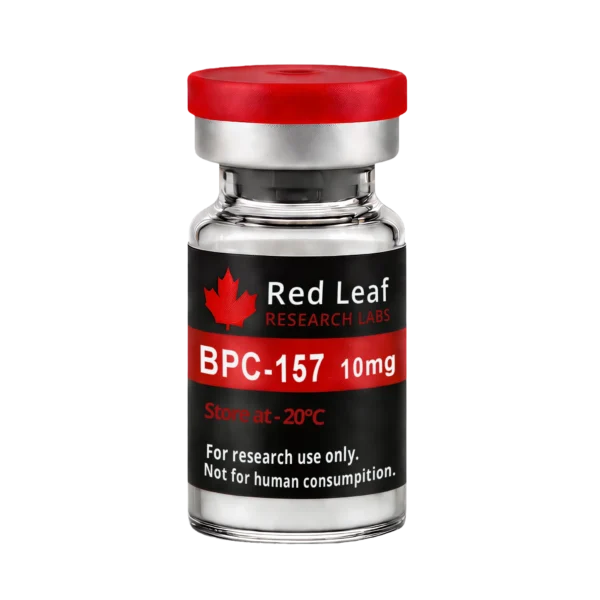 BPC-157 (10mg)$75 CAD · research use only
 GHK-Cu 100mg – 3ml Vial$64.99 CAD · research use only
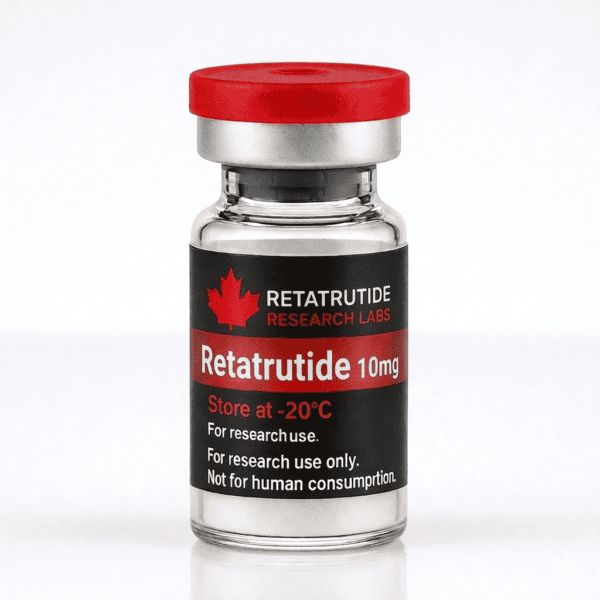 Retatrutide$79.99 CAD · research use only
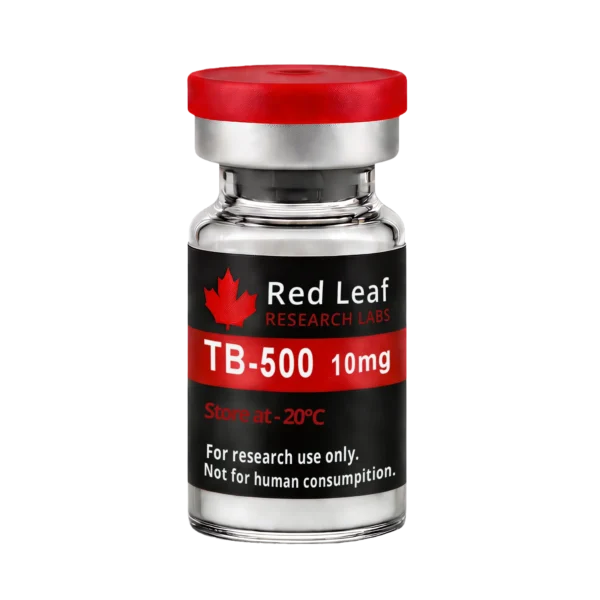 TB-500 (10mg)$84.99 CAD · research use only
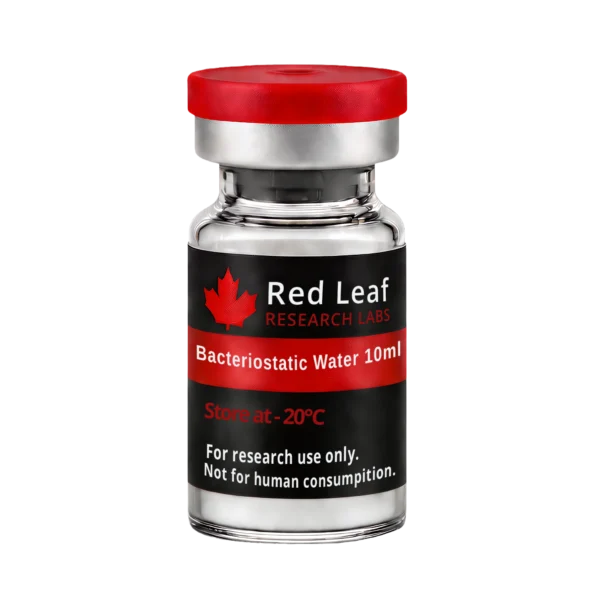 Bacteriostatic Water$10 CAD · research use only
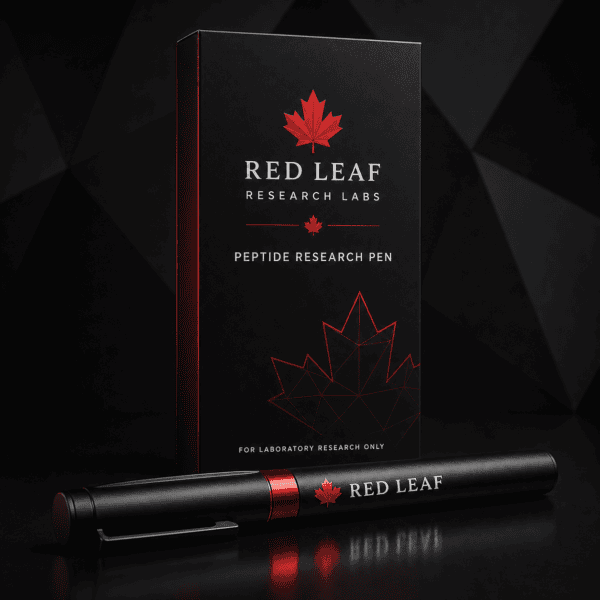 Peptide Pens Canada – Red Leaf Research Pen Add-On$99 CAD · research use only
Every product page carries its batch lab report with a verification link you can check at the testing laboratory, not just a PDF we host.
Browse the catalogue See the lab test sheetsResearch use only. Products sold by Red Leaf Research Labs are not approved by Health Canada for cosmetic application, therapeutic treatment, injection, ingestion, or any form of human or animal use. No claims are made regarding clinical outcomes, safety or efficacy. Pricing and stock are current at the time of publication and subject to change.