Owned and operated by a cf veteran
Practical harm-reduction information for Canadians, and the warning signs that need medical attention.
- Sterile technique
- Know the warning signs
- Bloodwork matters
- Not medical advice
Harm reduction starts with honest information rather than judgement. Sterile technique, knowing which symptoms need urgent care, and getting actual bloodwork are the things that reduce risk. None of this is medical advice, and none of it makes an unverified product safe.
- What harm reduction means for AAS and peptide use
- Why steroid and peptide users may face distinct risks
- Start with confidential, non-judgmental health care
- Bloodwork and monitoring: useful, but not a safety guarantee
- High hematocrit, AAS and therapeutic phlebotomy
- Safer injection and infection prevention
- Product-quality harm reduction for peptide users
- Cardiovascular and metabolic harm reduction
- Mental health, hormones and sexual health
- Naloxone still belongs in some AAS harm reduction plans
- Harm reduction services in Toronto and the GTA
- Harm reduction services in Vancouver, British Columbia
- What these harm reduction services can—and cannot—do
- A personal harm reduction checklist
- Frequently asked questions about harm reduction
- Final word
Harm reduction means taking practical steps to lower the chance of injury, infection, illness and other negative consequences—even when a person is not ready or willing to stop a behaviour. For Canadians using anabolic-androgenic steroids (AAS), testosterone outside prescribed care, or injectable peptides, harm reduction starts with honest medical care, sterile equipment, appropriate laboratory monitoring and a plan for responding when something goes wrong.
This is not a cycle guide, a dosing schedule or an endorsement of non-prescribed drugs. There is no completely safe way to use an unapproved or non-prescribed injectable product. Product identity, sterility, concentration and storage may be uncertain, and some harms cannot be eliminated by careful technique. The safest option is not to use. Still, people deserve accurate information and respectful health services regardless of their choices.
Canadian harm reduction programs are often associated with opioids, but many also provide sterile needles and syringes, alcohol swabs, sharps containers, wound-care materials, safer-sex supplies and confidential education that can be relevant to people who inject AAS or peptides. Some programs specifically stock intramuscular injection equipment. Services vary, so call first and ask what is available.
If you have chest pain, severe shortness of breath, one-sided weakness, fainting, confusion, a sudden severe headache, a hot and rapidly spreading skin infection, or signs of a serious allergic reaction, call 911. Do not wait for routine bloodwork or a harm reduction appointment.
What harm reduction means for AAS and peptide use
For a steroid or peptide user, harm reduction is a series of barriers placed between a decision and its possible consequences. No single step makes use safe. Sterile supplies can reduce infection risk but cannot correct a contaminated or mislabelled vial. Blood tests can reveal some developing problems but cannot guarantee that a heart attack, clot or psychiatric reaction will not occur. A normal result is a snapshot, not a certificate of safety.
A practical harm reduction plan has several parts:
- disclose all drugs, supplements and performance-enhancing substances to a clinician;
- use only new, sterile, single-use equipment and never share it;
- obtain supplies from a public-health or community harm reduction program;
- dispose of used sharps immediately in an approved container;
- monitor blood pressure and clinician-selected laboratory markers;
- take changes in mood, sleep and behaviour seriously;
- recognize infection, clotting and cardiovascular warning signs;
- avoid improvising treatment for an abnormal test result; and
- know where to get confidential local help before a problem develops.
Harm reduction is not the same as “optimizing” a cycle. It is also not limited to injection technique. Cardiovascular risk, endocrine suppression, fertility, liver and kidney stress, blood-cell changes, mental health and uncertain product quality can matter as much as the injection itself.
Why steroid and peptide users may face distinct risks
Anabolic-androgenic steroids can affect blood pressure, cholesterol, red-blood-cell production, cardiac structure and function, fertility, sexual health, skin, mood and the liver. The risk profile changes with the substance, amount, duration, route, combinations used and the individual’s medical history. Combining several agents makes it harder to determine what is causing a new symptom or abnormal result.
Peptides are not one uniform category. Some are authorized prescription medicines for specific conditions; many products marketed online for physique, recovery or weight loss are not authorized for human use. A “research use only” label is not evidence that a product is sterile, correctly identified or suitable for injection. Even an apparently intact vial cannot confirm what is inside it.
Peptide-related harms may arise from the biological action of the claimed ingredient, from the wrong concentration, from substitution with another ingredient, or from microbial or particulate contamination. Depending on the substance, possible concerns can include allergic reactions, blood-sugar changes, fluid retention, hormone disruption, gastrointestinal symptoms, cardiovascular effects and interactions with other drugs. Long-term human evidence may be limited or absent.
People may also underestimate risks because injectable appearance and professional packaging create a medical impression. Packaging is not independent verification. Harm reduction means treating uncertainty itself as a risk.
For a close look at one compound people ask about most, read our Tren Ace (trenbolone acetate) harm-reduction guide.
Start with confidential, non-judgmental health care
The most useful first step is a relationship with a family doctor, nurse practitioner, sports-medicine physician or other qualified clinician who knows what you are taking. Bring a complete list that includes prescription medicines, over-the-counter drugs, supplements, AAS, peptides, stimulants, alcohol and recreational substances. Include approximate dates and any symptoms. A clinician needs accurate information to interpret blood pressure, bloodwork and side effects.
You can say: “I am using non-prescribed performance-enhancing substances. I want to reduce my risk and be screened for complications. I am not asking you to approve the use.” This keeps the conversation focused on care.
Ask what will be documented and how privacy works in your province. If you feel dismissed, seek another clinician where possible, but do not conceal urgent symptoms. A harm reduction worker or regional health line may be able to suggest low-barrier clinics.
Bloodwork and monitoring: useful, but not a safety guarantee
There is no universal blood-test panel that fits every steroid or peptide user. Testing should be selected and interpreted by a clinician based on the substances involved, symptoms, sex, age, medical history and other risk factors. Results need context: hydration, acute illness, timing and laboratory ranges can all affect interpretation.
A clinician may consider a complete blood count, including haemoglobin and hematocrit; blood pressure; lipid profile; liver and kidney markers; glucose-related testing; and hormone testing where clinically relevant. Other investigations may be appropriate when symptoms, examination or family history warrant them. Cardiac symptoms require clinical assessment, not simply a larger lab panel.
Keep copies of results and look at trends rather than chasing a single number. Do not self-prescribe medications to “fix” an adverse result. Adding aromatase inhibitors, blood-pressure drugs, anticoagulants, diuretics or other agents without medical oversight can introduce new harms and obscure the original problem.
Normal bloodwork does not prove that a vial is sterile or accurately labelled. It also does not rule out structural heart changes, psychiatric effects or future harm. Monitoring is a warning system, not armour.
High hematocrit, AAS and therapeutic phlebotomy
Testosterone and other androgens can increase red-blood-cell production, producing erythrocytosis—an elevated haemoglobin or hematocrit. Dehydration can also concentrate the blood, while smoking, sleep apnea, lung disease and other conditions may contribute. That is why an elevated result needs medical evaluation rather than an automatic trip to donate blood.
Possible symptoms associated with marked erythrocytosis or hyperviscosity can include headache, dizziness, blurred vision, unusual fatigue or neurologic symptoms, but a person may have no obvious symptoms. New chest pain, breathing difficulty, weakness, confusion, fainting or a severe headache is an emergency.
Therapeutic phlebotomy is the medically supervised removal of blood for a clinical indication. It may be considered in selected AAS or testosterone users after assessment, but it should not be presented as routine maintenance or a way to keep an unsafe regimen going. A Canadian Medical Association Journal review on testosterone-associated erythrocytosis notes that guidelines vary and emphasizes monitoring, reassessing the indication for testosterone, and considering dose reduction or discontinuation; phlebotomy may benefit selected symptomatic patients.
The key harm reduction sequence is:
- Confirm the abnormality and assess symptoms.
- Investigate other contributors such as dehydration, smoking or sleep apnea.
- Review the androgen exposure with a clinician.
- Address the cause, which may include reducing or stopping exposure or changing prescribed therapy.
- Use therapeutic phlebotomy only when a qualified clinician determines that it is appropriate and arranges follow-up.
Repeated blood removal can lower iron stores and cause iron deficiency, fatigue or other problems. Taking iron afterward without medical advice may undermine the treatment or create another issue. Aspirin and anticoagulants are not substitutes for assessment and can cause bleeding.
Blood donation and therapeutic phlebotomy are not interchangeable. Donor programs exist to supply safe blood to patients, not to provide treatment to donors. Eligibility rules must be answered honestly. Do not donate if you are ineligible or if a clinician has told you that urgent evaluation is needed. If phlebotomy is medically necessary, ask the ordering clinician where it can be performed and how the complete blood count and iron status will be followed.
Safer injection and infection prevention
The lowest-risk choice is not to inject a non-prescribed or unauthorized product. If someone nevertheless injects, core harm reduction practices can reduce—but not eliminate—blood-borne and bacterial infection risk.
NO SHARING NEEDLES. Use a new, sterile needle and syringe for every injection and every person. Never share needles, syringes, multi-use preparation equipment or a vial that may have been contaminated. Sharing needles can transmit serious blood-borne infections, including HIV and hepatitis B and C. Do not reuse a needle because it “looks clean.” Do not touch sterile points or allow them to contact a counter, phone, gym bag or other surface.
Use supplies from a public-health or community program, pharmacy or legitimate medical source. Do not improvise equipment. Wash hands, use a clean preparation area, and follow the education supplied by the harm reduction program or clinician. Because technique and equipment differ by route and body site, obtain in-person instruction instead of relying on anonymous online diagrams.
Place each used needle and syringe directly into an approved sharps container immediately after use. Do not recap, bend, break or leave sharps loose. Keep the container upright and securely closed, and return the sealed container to the harm reduction service that provided it for pickup, or to another approved community drop-off or pharmacy collection point. Never put loose sharps in household garbage or recycling, flush them, or leave them in public. Regional programs listed below can provide free sharps containers, arrange pickup where offered, and explain local return or disposal options.
Rotating away from irritated or injured tissue may reduce local trauma, but a persistent lump, increasing pain, warmth, redness, drainage or fever needs medical attention. Do not inject into red, swollen, hard, bruised, wounded or previously infected skin. Avoid trying to drain an abscess yourself.
Seek urgent care for rapidly expanding redness, severe pain, fever, red streaking, pus, skin turning dark, loss of sensation or feeling systemically ill. A deep infection may not look dramatic at first.
Product-quality harm reduction for peptide users
Sterile technique cannot make an unsterile product safe. A certificate supplied by the seller may not establish that the vial in hand was sampled, that the test was independent, that the product remained stable during shipping, or that it is sterile and free of endotoxin. Purity and identity testing are different from sterility testing.
Do not inject a product with a broken seal, damaged vial, unexplained particles, unusual colour, leakage, uncertain storage history or labelling that does not match what was ordered. Do not assume that filtering, heating or adding bacteriostatic water corrects contamination. Home treatment cannot reliably validate product identity or sterility.
Unexpected symptoms after an injection—especially trouble breathing, facial or throat swelling, widespread hives, faintness, severe vomiting, chest pain or confusion—require emergency help. Keep the packaging and write down what was used and when so clinicians have useful information. Do not delay care out of fear of judgment.
Cardiovascular and metabolic harm reduction
Check blood pressure with a validated device and correct cuff size, and share repeated elevated readings with a clinician. Caffeine, stimulant pre-workouts, nicotine, decongestants and recreational stimulants can add cardiovascular strain. Combining substances may raise heart rate or blood pressure even when each seems tolerable alone.
Shortness of breath, reduced exercise tolerance, racing or irregular heartbeat, chest pressure, fainting and one-sided leg swelling are not normal training effects. Stop exercising and seek medical assessment. Call 911 for severe or sudden symptoms.
Sleep matters. Loud snoring, witnessed breathing pauses, morning headaches and daytime sleepiness can suggest sleep apnea, which deserves evaluation and may also contribute to elevated hematocrit and cardiovascular risk. Hydration is important, but drinking extra water is not treatment for genuine erythrocytosis.
Adequate nutrition, avoiding tobacco, moderating alcohol and allowing recovery time are supportive health measures. They do not cancel the pharmacologic risks of AAS or peptides.
Mental health, hormones and sexual health
Mood and behaviour changes can develop gradually. Watch for escalating irritability, anxiety, panic, insomnia, impulsivity, aggression, paranoia, depression or feeling unusually invincible. Ask a trusted person to tell you if they notice changes. Suicidal thoughts, hallucinations, dangerous agitation or inability to sleep for several days require urgent help.
Stopping AAS can also be difficult. Hormonal suppression may be associated with fatigue, low mood, sexual dysfunction and fertility concerns. Do not build a self-directed “post-cycle” medication stack from internet advice. A clinician can investigate symptoms and discuss evidence-based care.
Injection equipment can transmit hepatitis B, hepatitis C and HIV when shared or contaminated. Ask about vaccination, testing and safer-sex services. Many harm reduction programs provide condoms, referrals and confidential testing information even when their public messaging centres on other drugs.
Naloxone still belongs in some AAS harm reduction plans
Naloxone does not reverse steroid or peptide toxicity. However, some people who use AAS or peptides also use opioids, cocaine or other drugs, and the unregulated drug supply can contain unexpected opioids. Having naloxone and knowing how to use it can save a life when opioid exposure is possible. Call 911 after administering naloxone because its effect can wear off.
Toronto, Peel, York and Vancouver harm reduction services can provide or direct people to naloxone and training. Never use alone when opioid exposure is possible. In Canada, the National Overdose Response Service offers a remote overdose-prevention line at 1-888-688-6677.
Harm reduction services in Toronto and the GTA
Hours, routes and supplies can change. Use the linked official page or call before travelling. Ask specifically about sterile intramuscular equipment, sharps containers, wound-care materials and disposal because not every location carries the same stock.
Toronto: The Works and Toronto Public Health mobile outreach
Toronto Public Health Substance Use Clinical Services lists The Works-related street and mobile van outreach. Services include free harm reduction supplies, safer-use education, sharps-disposal education, naloxone training and distribution, nursing support, testing, counselling and referrals. The official page lists 416-392-0520 for mobile outreach requests and 416-338-7600 for general help.
Important: the former Toronto Public Health site at 277 Victoria Street closed on April 1, 2025, and no longer provides supervised consumption. Use the current page above rather than older directories that still list that address.
Toronto also maintains a harm reduction supplies and locations directory. It can help readers find a community partner closer to home.
Peel Region: Peel Works mobile vans
The official Peel Region harm reduction page lists confidential, free services with no health card required. It specifically includes new injection equipment, intramuscular injection materials, naloxone, wound-care kits, sharps containers, education, referrals and mobile vans.
- Brampton and Caledon van: call or text 647-225-1623.
- Mississauga van: call or text 416-571-1623.
- Listed hours: Monday to Friday, 1 p.m.–11 p.m.; Saturday, 4 p.m.–11 p.m.
Peel’s page also lists fixed locations and 24-hour disposal boxes. Confirm availability before going.
York Region: clinics and the Crosslinks Street Outreach Van
The York Region harm reduction directory lists free supplies without a health card at regional sexual-health clinics and partner agencies. Supplies may include sterile needles and syringes, alcohol swabs, sharps containers and naloxone.
The LOFT Crosslinks Street Outreach Van is listed seven days a week from 2 p.m.–9 p.m., except statutory holidays. Call 1-866-553-4053 or text 416-274-4972. The page also lists CAYR Community Connections, the Krasman Centre and other York locations.
Durham Region: Oshawa, Whitby, Ajax, Pickering and surrounding communities
The Durham Region opioid and overdose prevention page links residents to regional harm reduction support, naloxone and service partners. Durham Community Health Centre’s harm reduction program offers supplies, education and referrals, while the John Howard Society of Durham Region provides outreach and navigation support. Call ahead and ask about supplies relevant to intramuscular use.
Halton Region: Oakville, Burlington, Milton and Halton Hills
Halton’s needle exchange and harm reduction program is the regional starting point for sterile equipment, safer-use information, sharps disposal, naloxone and referrals. Verify current pickup and outreach options on the page or by phone before travelling.
Ontario-wide finder
The Ontario Harm Reduction Distribution Program service finder can locate supply programs elsewhere in Ontario. Filters and stock vary. A program may serve people who inject AAS even if its web page does not explicitly mention steroids, so call and ask respectfully.
Harm reduction services in Vancouver, British Columbia
Vancouver has a broad network of low-barrier services. The best central directory is Vancouver Coastal Health’s harm reduction page, which links to supply sites, drug checking, supervised consumption and overdose-prevention services, naloxone training, outreach and the needle recovery van.
Vancouver Needle Distribution and Recovery Van
Vancouver Coastal Health lists the Vancouver Needle Distribution and Recovery Van for mobile distribution and recovery. Check the official page for current hours and contact details. When calling, ask what sterile injection equipment and sharps containers are available for intramuscular users.
Harm reduction supplies and needle distribution sites
Use Vancouver Coastal Health’s harm reduction supplies and needle distribution directory to find a nearby site. Services may include sterile supplies, safe disposal, naloxone, education and referrals. Availability differs by location.
Drug checking and overdose-prevention services
Free, anonymous drug checking at Hope to Health is available at 611 Powell Street. Drug checking may help identify some unexpected ingredients, but it does not certify an injectable peptide or steroid vial as sterile, correctly concentrated or safe.
Insite, at 139 East Hastings Street, provides supervised consumption services and links to care. Rules about which substances and routes can be accommodated may apply; contact the service rather than assuming that AAS or peptide injections can be supervised there.
For provincial information, Toward the Heart provides a BC harm reduction site finder for naloxone and related services.
What these harm reduction services can—and cannot—do
Depending on the program, services may offer sterile needles and syringes, alcohol swabs, sterile water, sharps containers, wound-care kits, condoms, naloxone, disposal, education, infectious-disease testing or referrals to primary care, addiction medicine and mental-health supports. Some mobile vans will meet a person within a defined service boundary.
They generally do not verify that a steroid or peptide is genuine, prescribe a cycle, interpret complex endocrine bloodwork, or guarantee that an injection is safe. Drug checking designed for powders or the toxic opioid supply is not equivalent to pharmaceutical quality, sterility, potency and endotoxin testing of an injectable vial.
Be direct about what you need: “I inject performance-enhancing drugs and need new sterile intramuscular supplies, alcohol swabs and a sharps container. Do you provide these?” Staff can then explain what is available without requiring you to adopt a label that does not fit.
A personal harm reduction checklist
Before use:
- Consider not using, especially when the product identity or storage is uncertain.
- Tell a qualified clinician what you are using and discuss baseline assessment.
- Know the emergency symptoms and nearest care option.
- Obtain new sterile supplies and an approved sharps container.
- Avoid using a damaged, unlabelled or visibly abnormal vial.
- Do not combine substances simply to counteract side effects from another drug.
During ongoing use:
- Never share needles or any other injection equipment. Use new, sterile equipment every time.
- Put every used syringe directly into a provided sharps container and arrange program pickup or use an approved drop-off point.
- Keep appointments for clinician-directed blood pressure and laboratory monitoring.
- Track symptoms, mood, sleep and changes in exercise tolerance.
- Seek care early for skin changes, fever or a persistent injection-site lump.
- Discuss elevated hematocrit rather than arranging repeated blood removal yourself.
When stopping or seeking help:
- Tell the clinician what was used, for how long and when it was last taken.
- Seek support for depression, anxiety, insomnia, sexual dysfunction or fertility concerns.
- Do not assume an online “post-cycle therapy” protocol is appropriate.
- Keep naloxone nearby if opioid exposure is possible in your broader substance use.
Frequently asked questions about harm reduction
What is harm reduction?
Harm reduction is a practical, evidence-informed approach that reduces the negative health and social consequences of a behaviour without making abstinence a condition of care. For AAS and peptide users, it includes sterile equipment, safe sharps disposal, honest clinical care, monitoring and early response to warning signs.
Is steroid use ever completely safe?
No. Medical supervision can reduce some risks when testosterone or another drug is prescribed for a legitimate indication, but it does not remove all risk. Non-prescribed AAS use adds uncertainty involving dose, combinations, product identity and follow-up.
Do harm reduction programs help people who inject steroids?
Many do. Toronto, Peel, York, Durham, Halton and Vancouver programs may provide sterile injection equipment, swabs, sharps containers, disposal, education or referrals. Peel explicitly lists intramuscular injection materials. Call first because supplies and policies vary.
Can The Works van in Toronto provide sterile needles?
Toronto Public Health lists street and mobile outreach providing needle exchange, naloxone, harm reduction supplies, education and disposal support. Call 416-392-0520 for mobile outreach and check the current city page before relying on older listings.
Are Peel Works van services free?
Peel Region states that its harm reduction services are confidential and free and do not require a health card. Separate mobile numbers serve Brampton/Caledon and Mississauga.
What bloodwork should steroid users get?
There is no universal panel. A clinician may consider a complete blood count, lipids, liver and kidney markers, glucose-related tests and hormone testing depending on the person and substances. Blood pressure and symptoms also matter. Testing should be selected and interpreted clinically.
What is therapeutic phlebotomy for AAS users?
Therapeutic phlebotomy is clinician-directed blood removal for a medical indication. It may be considered for selected people with significant androgen-associated erythrocytosis, but it is not routine cycle maintenance. The clinician should evaluate causes, review androgen exposure and monitor blood counts and iron.
Is donating blood the same as therapeutic phlebotomy?
No. Blood donation serves recipients and has donor eligibility rules. Therapeutic phlebotomy is a medical procedure ordered for the patient’s care. AAS users must answer donor screening questions honestly and should not use donation to avoid medical evaluation.
Can drinking more water fix high hematocrit?
Hydration may correct a result influenced by dehydration, but it does not treat genuine androgen-driven erythrocytosis or another medical cause. An abnormal result should be reviewed by a clinician.
Does regular phlebotomy make a steroid cycle safe?
No. It does not address blood pressure, cholesterol, heart changes, liver injury, endocrine suppression, infertility, infection, product contamination or psychiatric effects. Repeated phlebotomy can also deplete iron.
Can a certificate of analysis prove a peptide vial is safe to inject?
Not necessarily. Identity or purity testing does not automatically establish sterility, endotoxin level, concentration, chain of custody or stability. A seller-provided document may not prove that the specific vial was tested.
Can drug-checking services test peptides or steroids?
Do not assume so. Community drug checking is commonly designed for the unregulated street-drug supply. Even when a sample can be analyzed, the result may not certify pharmaceutical potency, sterility or freedom from endotoxin. Ask the service about its scope.
When is an injection-site problem an emergency?
Rapidly spreading redness, severe or escalating pain, fever, red streaks, pus, darkening skin, loss of sensation or feeling very ill warrants urgent assessment. Trouble breathing, facial swelling, fainting, chest pain or confusion after an injection requires 911.
Does naloxone reverse a steroid or peptide reaction?
No. Naloxone reverses opioid poisoning. It remains useful for anyone who may use opioids or encounter unexpected opioids in the unregulated drug supply, but it will not treat AAS toxicity, infection or an allergic reaction.
Are harm reduction services confidential?
Many programs describe their services as confidential or low barrier, and some do not require a health card. Privacy and intake practices vary, so ask the program directly if this is a concern.
Where can I get free harm reduction supplies near Toronto?
Use Toronto Public Health’s current substance-use service page, Peel Region’s harm reduction page, York Region’s directory, the Durham and Halton regional pages, or the Ontario Harm Reduction Distribution Program finder. Call first for current hours and intramuscular supplies.
Where can I find a harm reduction van in Vancouver?
Vancouver Coastal Health lists the Vancouver Needle Distribution and Recovery Van and maintains directories for supply sites, drug checking and overdose-prevention services. Confirm current operating details on the official page.
Final word
Harm reduction meets people where they are, without pretending that risk can be reduced to zero. For steroid and peptide users, its strongest tools are honest health care, sterile single-use equipment, safe disposal, clinician-directed monitoring, attention to cardiovascular and mental-health changes, and early treatment of infection or other warning signs.
Therapeutic phlebotomy can be an appropriate medical intervention for selected AAS users with significant erythrocytosis, but it is not a do-it-yourself preventive measure and it does not make continued exposure safe. The underlying androgen use and other possible causes still require review.
Toronto’s The Works outreach, the Peel Works vans, York’s Crosslinks van, Durham and Halton programs, and Vancouver Coastal Health services give Canadians practical places to ask for supplies, disposal, education and referrals. Check the linked official pages before visiting because routes, hours and services change.
Medical disclaimer: This article is general harm reduction information, not medical advice, diagnosis or a dosing guide. It does not endorse non-prescribed steroid or peptide use. Speak with a qualified health professional about your circumstances. Call 911 for emergency symptoms.
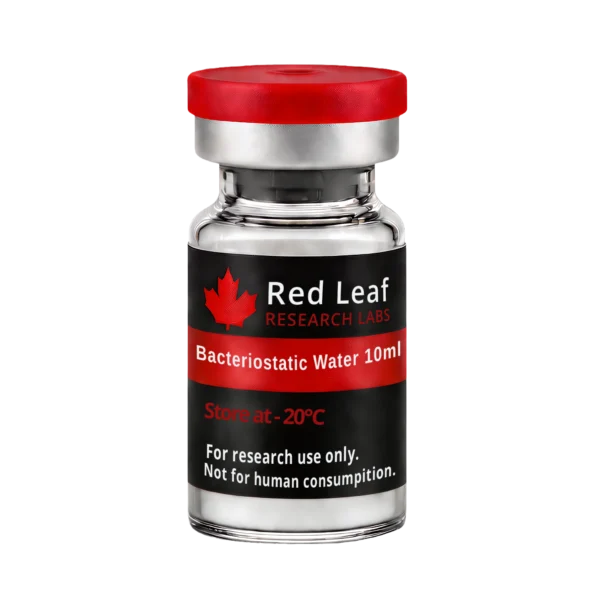 Bacteriostatic Water$10 CAD · research use only
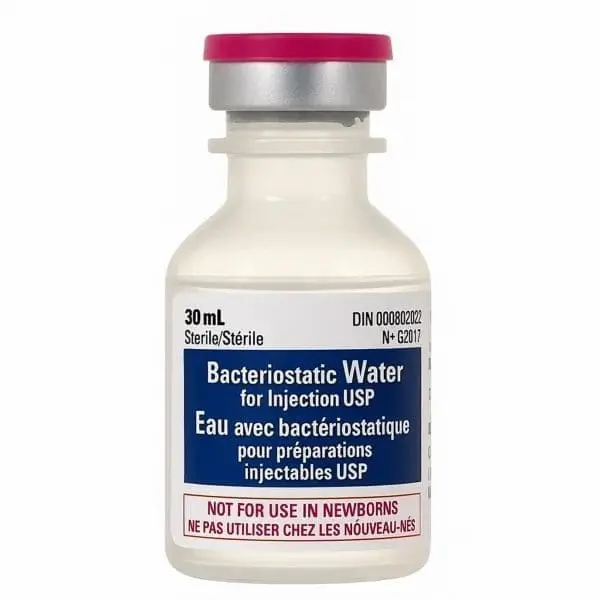 Pfizer Bacteriostatic Water 30ml$24 CAD · research use only
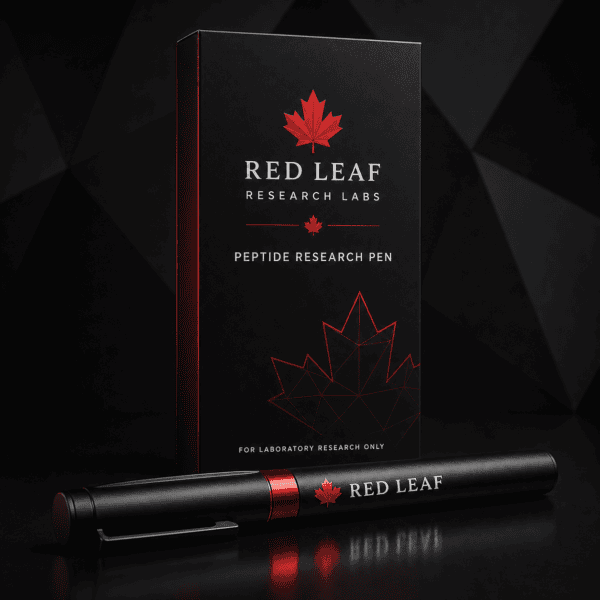 Peptide Pens Canada – Red Leaf Research Pen Add-On$99 CAD · research use only
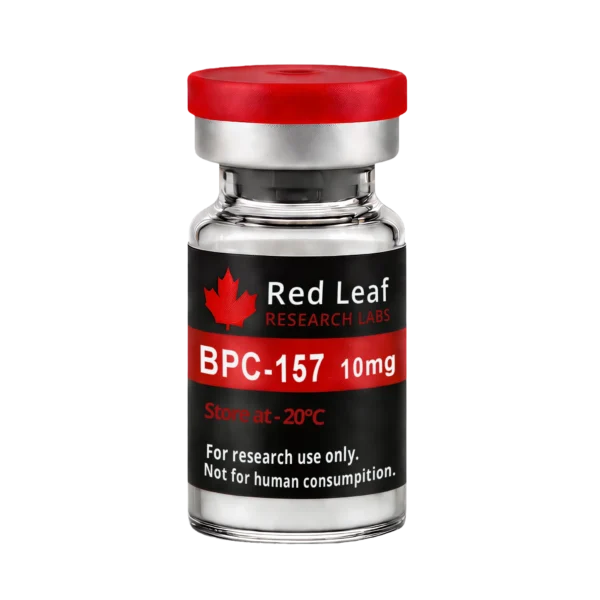 BPC-157 (10mg)$75 CAD · research use only
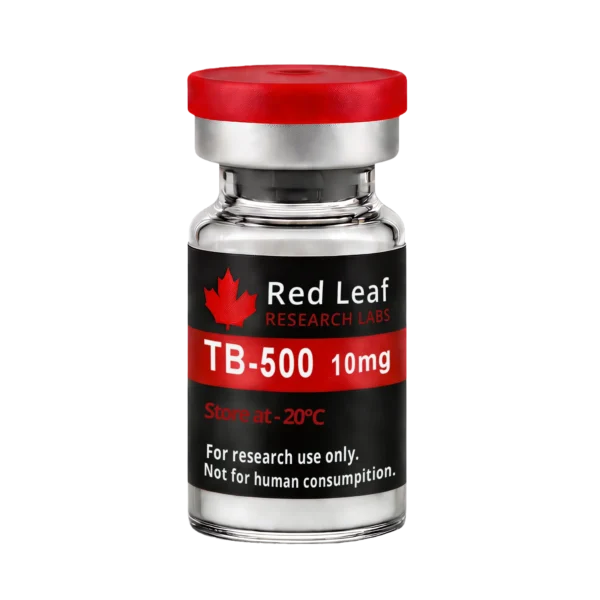 TB-500 (10mg)$84.99 CAD · research use only
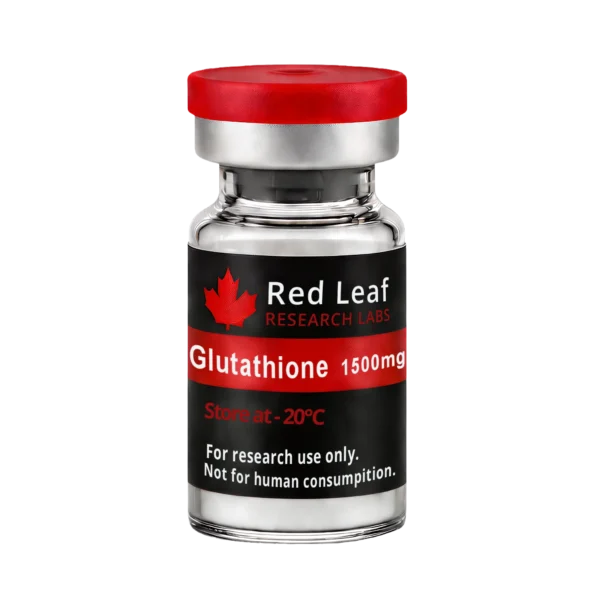 Glutathione 1500mg$59.99 CAD · research use only
Every product page carries its batch lab report with a verification link you can check at the testing laboratory, not just a PDF we host.
Research use only. Products sold by Red Leaf Research Labs are not approved by Health Canada for cosmetic application, therapeutic treatment, injection, ingestion, or any form of human or animal use. No claims are made regarding clinical outcomes, safety or efficacy. Pricing and stock are current at the time of publication and subject to change.