Owned and operated by a cf veteran


What the BPC-157 evidence actually shows, what its legal status is in Canada, and how to read the claims made about it.
- 15-amino-acid peptide
- Preclinical evidence only
- Not approved in Canada
- Batch-tested research material
BPC-157 is an experimental 15-amino-acid peptide with a large animal literature and almost no human evidence. It is not an approved medicine in Canada, and material sold online is research material rather than a treatment. The claims made for it online run far ahead of what has actually been tested.
- BPC-157 Canada: key facts at a glance
- Why “BPC-157 Canada” is attracting so much attention
- What is BPC-157?
- Is BPC-157 legal in Canada?
- What does the scientific evidence show?
- BPC-157 for tendon, ligament and muscle injuries
- BPC-157 and digestive-health claims
- Proposed mechanisms: what they mean—and what they do not
- BPC-157 capsules versus injections
- Known and unknown safety risks
- Certificates of analysis: useful but not regulatory approval
- Is BPC-157 prohibited for Canadian athletes?
- BPC-157 and TB-500: does combining experimental peptides help?
- How to assess BPC-157 information online
- Evidence-based alternatives for common reasons people search BPC-157
- Common BPC-157 myths
- Frequently asked questions about BPC-157 Canada
- The bottom line on BPC-157 in Canada
- Sources and further reading
Quick answer: BPC-157 is an experimental 15-amino-acid peptide promoted online for injury recovery, tendon healing, inflammation and digestive health. In Canada, Health Canada has specifically identified BPC-157 among unauthorized injectable peptide drugs and advises consumers not to buy or use unauthorized products. There is no Health Canada-authorized BPC-157 treatment or established Canadian prescribing standard. Most positive findings come from cell and animal research, while published human evidence remains extremely limited. BPC-157 is also prohibited at all times for athletes governed by the World Anti-Doping Code.
Last reviewed: August 2026. This evidence-based article is for education and research literacy. It is not medical advice, a product endorsement or a dosing guide. Anyone with an injury, persistent pain or digestive symptoms should seek assessment from a licensed Canadian healthcare professional.
BPC-157 Canada: key facts at a glance
| Question | Evidence-based answer |
|---|---|
| What is BPC-157? | A synthetic pentadecapeptide—a chain of 15 amino acids—studied mainly in laboratory and animal models. |
| Is BPC-157 approved in Canada? | No Health Canada-authorized BPC-157 therapeutic product was identified for this guide. Health Canada has named it as an unauthorized injectable peptide drug. |
| Does BPC-157 have a DIN? | An authorized Canadian drug normally carries an eight-digit Drug Identification Number. Consumers should verify the exact product in Health Canada’s Drug Product Database. |
| Is BPC-157 proven to heal tendons or ligaments in people? | No. Preclinical findings are interesting, but adequate randomized controlled human trials have not established clinical effectiveness. |
| Are BPC-157 capsules proven? | No validated oral formulation, Canadian product monograph or established clinical regimen exists. |
| Is BPC-157 safe? | Its human safety profile is not established. A two-person pilot cannot determine uncommon, delayed or long-term risks. |
| Is BPC-157 banned in sport? | Yes. WADA includes BPC-157 under S0, Non-Approved Substances, prohibited at all times. |
| What is the safest next step? | Have the underlying injury or symptom assessed and discuss authorized, evidence-based options with a qualified Canadian clinician. |
Why “BPC-157 Canada” is attracting so much attention
Search interest in BPC-157 Canada has grown alongside social-media discussion about peptides, recovery compounds and longevity products. The usual claims are appealing: faster healing, less inflammation, improved tendon or ligament repair, reduced pain and protection of the gastrointestinal tract. Those claims often appear next to athlete testimonials, laboratory purity reports and phrases such as “research grade.”
Canadian searchers are asking several different questions at once:
- What exactly is BPC-157?
- Is BPC-157 legal or authorized in Canada?
- What does the scientific evidence actually show?
- Are capsules different from injectable products?
- Can a certificate of analysis establish safety?
- Is BPC-157 prohibited for tested athletes?
- What should someone do about an injury or digestive condition instead?
Many pages ranking for these searches are commercial product pages. They may discuss purity, shipping and proposed mechanisms but provide little context about Canadian authorization, clinical-trial quality, human safety or the difference between preclinical promise and medical proof. A responsible BPC-157 Canada guide must answer all of those questions without converting experimental research into treatment advice.
What is BPC-157?
BPC-157 is a synthetic peptide made of 15 amino acids. It is often described as a “body protection compound” or as a fragment associated with proteins found in gastric juice. Its reported sequence is frequently presented in scientific and commercial literature, but sequence identity alone does not make an internet product a standardized medicine.
The distinction matters. A peptide can be scientifically interesting while remaining pharmaceutically underdeveloped. Turning a laboratory molecule into a medicine requires far more than synthesizing the correct amino-acid chain. Researchers must characterize identity, purity, stability, degradation products, sterility where applicable, absorption, distribution, metabolism, excretion, dose-response relationships, interactions and manufacturing consistency. They must then demonstrate safety and effectiveness in appropriately designed human trials.
BPC-157 has accumulated a sizable preclinical literature. Researchers have explored it in models involving tendon, ligament, muscle, bone, gastrointestinal tissue, blood vessels, inflammation and the nervous system. However, the volume of animal research should not be mistaken for equivalent human evidence. A large stack of rodent studies can generate hypotheses; it cannot establish that a commercial vial or capsule improves recovery in a Canadian patient.
Is BPC-157 legal in Canada?
The word legal is too broad to answer with a simple yes or no. Several different Canadian rules can apply to a substance, product and activity. Whether a molecule appears in a schedule under the Controlled Drugs and Substances Act is not the same question as whether a finished health product is authorized for sale, legally imported, properly compounded, advertised lawfully or appropriate for human use.
For consumers, the most important point is market authorization. Health Canada stated in an April 2026 advisory that BPC-157 is among examples of unauthorized injectable peptide drugs seized in Canada. The agency warned that unauthorized drug products are illegal to sell and have not been assessed for safety, efficacy or quality. It specifically advised Canadians not to buy or use unauthorized peptide drugs, including products labelled “For Research Use Only – Not for Human Consumption.”
Health Canada’s position is available in its advisory, Think twice before injecting peptides bought online.
In May 2026, Health Canada also published a national Type I recall involving BPC-157 powder and GHK-Cu powder described as unauthorized active pharmaceutical ingredients. A Type I recall is used when there is a reasonable probability that use of, or exposure to, a product could cause serious adverse health consequences. The notice listed no market authorization for the affected BPC-157 powder. See the Health Canada BPC-157 powder recall.
Authorization is different from controlled-substance scheduling
Online discussions sometimes cite an older status decision stating that BPC-157 was not listed in the schedules to the Controlled Drugs and Substances Act. That statement should not be interpreted as approval, a consumer sales licence or proof that a BPC-157 product may be legally marketed as a treatment. Controlled-substance status and drug-market authorization are distinct regulatory questions.
A more accurate consumer question is: Has the exact BPC-157 product been authorized for sale by Health Canada for the claimed use and route of administration? An authorized prescription drug normally has an eight-digit DIN printed on its label. Consumers can search Health Canada’s Drug Product Database.
Does “research use only” change the rules?
No disclaimer can transform consumer self-use into legitimate laboratory research. Health Canada’s 2026 advisory directly addresses this tactic: products labelled “For Research Use Only – Not for Human Consumption” are not made legal or exempt from regulatory requirements by that wording. A responsible laboratory supplier should not pair a research disclaimer with human benefits, self-injection instructions, wellness testimonials or treatment claims.
What about importing BPC-157 into Canada?
A website accepting a Canadian address does not prove that the product is authorized, admissible at the border or safe. Imported health products may be detained, refused or seized. Importation rules depend on the product, classification, quantity, parties involved and circumstances. Consumers should not rely on vendor claims such as “customs safe,” “Canadian legal” or “discreet shipping” as regulatory advice.
What does the scientific evidence show?
The clearest way to understand BPC-157 research is to separate evidence into levels. Mechanistic experiments, animal studies, uncontrolled observations and randomized clinical trials answer different questions and carry very different levels of certainty.
| Evidence level | What it can tell us | Main limitation for BPC-157 |
|---|---|---|
| Cell and laboratory studies | Possible effects on signalling, cell migration, fibroblasts or vascular pathways | Cells in a controlled experiment do not reproduce a whole human body. |
| Animal studies | Biological plausibility, preliminary efficacy signals and research directions | Species, injury models, formulations and exposure may not translate to people. |
| Small uncontrolled human reports | Feasibility observations and hypotheses | No reliable estimate of effectiveness; weak detection of safety problems. |
| Randomized controlled trials | Comparative effectiveness and more credible safety data | Adequate published BPC-157 trials for common recovery claims are lacking. |
| Regulatory authorization | Product-specific review of quality, safety and effectiveness | No Health Canada-authorized BPC-157 treatment was identified. |
The preclinical evidence
BPC-157 has produced positive findings in numerous animal and laboratory models. A 2019 review focused on musculoskeletal soft-tissue healing reported promising results across tendon, ligament and skeletal-muscle models, while clearly noting that most studies involved small rodents and that effectiveness had not been confirmed in humans. That qualification is crucial. Read the review indexed by PubMed.
Laboratory work has explored tendon outgrowth, cell survival and cell migration. Other models have examined collagen organization, angiogenesis, nitric-oxide signalling, inflammatory responses and blood-vessel integrity. These mechanisms may help scientists design future studies. They do not prove that an online BPC-157 product heals a rotator cuff, Achilles tendon, knee ligament or muscle tear in a person.
A 2026 review again summarized positive rat findings across complex musculoskeletal and junctional injuries and called for further clinical study. It is reasonable to describe this as translational potential—not established treatment efficacy. Readers should also consider concentration of authorship: reviews note that a limited number of research groups account for much of the BPC-157 literature. Independent replication matters, especially before broad clinical claims are accepted.
What human evidence exists?
Published human evidence remains exceptionally small compared with the claims being made. A 2025 pilot publication reported intravenous administration in only two adults. The participants had previously received BPC-157, there was no placebo group and follow-up was short. No adverse effects were reported in the measured window, but a two-person study cannot establish population safety, detect uncommon harms, evaluate long-term outcomes or prove effectiveness for injuries. The authors themselves called for future studies. See the PubMed record for the two-participant pilot.
Recent pharmaceutical reviews describe human data as coming from fewer than 30 people across a few uncontrolled pilot reports. They identify missing fundamentals: no validated pharmaceutical formulation, incomplete human pharmacokinetics, no established dose-response relationship and no completed Phase II program capable of supporting common treatment claims. That is a profound evidence gap, not a technicality.
Why animal results often fail to translate
Animal studies are essential to drug development, but apparent success in an animal model frequently fails to become a safe and effective human therapy. Reasons include:
- differences in metabolism, immune function and tissue biology;
- artificial injuries that do not match complex human conditions;
- different routes, formulations and exposure levels;
- small, homogeneous laboratory populations;
- publication bias toward positive findings;
- outcome measures that do not match patient pain or function;
- limited independent replication; and
- failure to detect uncommon or delayed toxicity.
For BPC-157, translation is complicated further by product variability. Even if a defined research preparation produces an effect in a rat, that says little about the identity, sterility or stability of an internet product.
BPC-157 for tendon, ligament and muscle injuries
Recovery from tendon and ligament injury is the most common reason people search for BPC-157 Canada. Promotional pages often mention Achilles injuries, rotator-cuff problems, tennis elbow, knee pain and muscle tears. The biological rationale typically references fibroblast migration, collagen formation, angiogenesis and growth-factor pathways.
The scientifically responsible conclusion is narrower: preclinical findings justify research, but BPC-157 has not been proven through adequate controlled human trials to accelerate tendon, ligament or muscle healing.
Musculoskeletal symptoms also require a diagnosis. “Tendon pain” can reflect tendinopathy, a partial tear, a complete rupture, referred pain, nerve irritation, inflammatory disease or another condition. Masking symptoms or delaying assessment can worsen outcomes. Sudden weakness, inability to bear weight, a visible deformity, a popping sensation followed by loss of function, major swelling or progressive neurological symptoms warrant prompt medical evaluation.
Evidence-based Canadian care may include activity modification, progressive loading, physiotherapy, diagnosis-specific medication, imaging when indicated or specialist referral. The appropriate plan depends on the tissue, severity, timeline, medical history and functional demands.
BPC-157 and digestive-health claims
The “body protection compound” story is closely tied to gastric research. Animal studies have explored gastrointestinal lesions, inflammatory pathways, mucosal protection and gut–brain or gut–vascular relationships. Commercial pages sometimes extrapolate these findings to ulcers, inflammatory bowel disease, reflux or “leaky gut.”
Those are not interchangeable conditions, and preclinical findings do not establish a human treatment. Persistent abdominal pain, bleeding, black stool, unexplained weight loss, fever, repeated vomiting, difficulty swallowing or major bowel changes require medical assessment. Self-treating with an unauthorized product may delay diagnosis of infection, inflammatory bowel disease, medication injury, celiac disease, cancer or another condition.
Anyone with ongoing gastrointestinal symptoms should consult a licensed clinician. Canada has authorized therapies and evidence-based diagnostic pathways for many digestive disorders. BPC-157 should not be presented as a substitute.
Proposed mechanisms: what they mean—and what they do not
Angiogenesis and blood-vessel pathways
Some BPC-157 studies report effects involving VEGF-related signalling and new blood-vessel formation. Angiogenesis can be relevant to healing because injured tissue needs oxygen and nutrients. But “more angiogenesis” is not automatically beneficial in every tissue or disease. Vascular signalling is context-dependent and also matters in disorders where abnormal vessel growth is undesirable. Mechanistic observations therefore require careful toxicology and clinical testing.
Nitric-oxide signalling
Preclinical literature frequently discusses interaction with nitric-oxide systems. Nitric oxide participates in vascular tone, platelet function, neurotransmission and inflammation. A possible effect on this pathway may explain some laboratory observations, but it also illustrates why broad human safety cannot be assumed. System-wide signalling effects can have consequences beyond the target injury.
Fibroblasts, collagen and cell migration
Tendon experiments have examined fibroblast survival, migration and tissue outgrowth. These are relevant components of repair, but healthy healing requires more than accelerating a single cellular process. Collagen orientation, mechanical loading, tissue remodelling, scar quality and restored function all matter. A laboratory endpoint cannot alone predict whether a person returns safely to work or sport.
Inflammation
Online claims often reduce healing to “lower inflammation.” Inflammation is not simply harmful; it is part of normal repair and immune defence. The clinical question is whether a defined intervention improves meaningful outcomes without introducing unacceptable risks. That answer requires controlled human evidence.
BPC-157 capsules versus injections
Canadian search data show growing interest in “BPC-157 capsules Canada.” The existence of multiple dosage forms can create the impression that each has been clinically developed. That is not the case.
Injectable products
An injectable product must meet especially demanding standards. Sterility, endotoxin control, particulate limits, concentration accuracy, container integrity, storage and aseptic manufacturing are critical. A general purity percentage or mass-spectrometry result does not demonstrate that a vial is sterile, free of endotoxin or safe to inject.
Health Canada’s 2026 advisory focuses on unauthorized injectable peptide drugs and warns about contamination, incorrect ingredient amounts, undisclosed ingredients, poor manufacturing, improper storage, infection and allergic reactions.
Capsules and oral products
Capsules avoid needle-related injury, but that does not establish absorption, bioavailability, effectiveness or long-term safety. Peptides can be degraded in the digestive tract, and formulation can substantially change exposure. Claims that BPC-157 is “gastric stable” are often used to imply that any capsule will work. Stability in a research setting is not the same as a validated commercial formulation with reproducible human pharmacokinetics.
No Canadian product monograph establishes a therapeutic BPC-157 capsule regimen. Different salts, counterions, excipients, coatings and manufacturing methods should not be assumed equivalent.
Nasal sprays, patches and compounded forms
Alternative delivery formats may sound innovative, but each introduces separate questions about permeability, delivered dose, stability and quality. A patch announcement or a clinic’s compounded preparation is not evidence of Health Canada authorization. Product-specific evidence must follow the exact formulation and route.
Known and unknown safety risks
The most accurate statement about BPC-157 safety is that uncertainty remains substantial. Lack of reported adverse effects in small studies is not proof of safety. Products used outside formal surveillance may also produce harms that are never published or attributed correctly.
Product-quality risks
- incorrect peptide identity or sequence;
- too much, too little or none of the stated ingredient;
- degradation during shipping or storage;
- microbial contamination or endotoxins;
- particles, residual solvents or heavy metals;
- inaccurate labels and lot information; and
- substitution with another pharmacologically active substance.
Administration-related risks
Injection adds risks such as infection, abscess, bleeding, nerve or tissue injury and improper handling. Combining several peptides makes attribution difficult if a reaction occurs. Oral products avoid injection complications but can still be mislabelled, contaminated, pharmacologically active or capable of interacting with medications.
Biological and long-term uncertainty
Because BPC-157 is promoted as affecting angiogenesis, cell migration, inflammation and neurotransmitter systems, careful long-term study is necessary. Online discussions sometimes claim it either causes cancer or prevents cancer. Neither sweeping statement is established by adequate human evidence. The correct position is uncertainty: theoretical or preclinical observations cannot quantify real-world cancer risk or benefit.
Potential interactions have not been systematically characterized. Extra caution is appropriate for people who are pregnant or breastfeeding, have cancer, cardiovascular disease, liver or kidney disease, immune disorders, bleeding problems or take multiple medications. This does not make use appropriate for everyone else; it underscores the limits of present knowledge.
When to seek urgent care
Anyone who has used an unauthorized product should seek urgent medical help for trouble breathing, facial or throat swelling, fainting, chest pain, severe weakness, confusion, high fever, rapidly spreading redness, intense injection-site pain, uncontrolled bleeding, neurological changes or other severe symptoms. Bring the packaging or product information if it can be transported safely.
Certificates of analysis: useful but not regulatory approval
A certificate of analysis, or COA, can provide limited information about a tested sample. It does not by itself prove that every vial in a lot contains the same material, that the product remained stable during shipping or that it is safe and effective in humans.
When evaluating a COA, researchers consider:
- whether the laboratory is genuinely independent;
- whether the report can be verified directly with the laboratory;
- whether sample identity and chain of custody are documented;
- whether lot numbers match the actual product;
- which analytical method was used;
- whether identity, content and impurities were assessed;
- whether sterility and endotoxin tests apply to an injectable preparation;
- the test date and storage conditions; and
- whether results concern a representative production batch.
A chromatogram or “99% purity” statement does not provide clinical evidence. It also does not create a DIN, authorize therapeutic claims or replace good manufacturing controls.
Is BPC-157 prohibited for Canadian athletes?
Yes. The World Anti-Doping Agency includes BPC-157 under category S0, Non-Approved Substances. S0 substances are prohibited at all times—both in and out of competition. The 2026 WADA Prohibited List took effect January 1, 2026.
Under strict liability, athletes are responsible for prohibited substances found in their samples. A “research chemical” disclaimer, coach recommendation, clinic service or inaccurate label does not remove that responsibility. Competitive athletes should consult their sport organization and the Canadian Centre for Ethics in Sport before using any medication or supplement. Therapeutic Use Exemptions involve specific criteria and should never be assumed.
BPC-157 and TB-500: does combining experimental peptides help?
BPC-157 and TB-500 are frequently marketed together as a recovery “stack.” Combining products does not fill the evidence gap. Instead, it increases uncertainty about identity, sterility, interactions, adverse effects and which substance caused an outcome.
Health Canada’s April 2026 advisory names both BPC-157 and TB-500 among unauthorized injectable peptide drugs. WADA also prohibits non-approved substances and identifies TB-500 through its prohibited categories. Testimonials about a combination cannot substitute for controlled trials of a standardized formulation.
How to assess BPC-157 information online
Use the following questions to separate research literacy from marketing:
- Does the page clearly state Canadian authorization status? “Available in Canada” is not the same as authorized by Health Canada.
- Does it distinguish animal studies from human trials? Words such as “shown,” “proven” and “effective” should specify the model.
- Does it identify the exact formulation? Results cannot automatically transfer between free base, salts, capsules, vials, sprays or patches.
- Does it report sample size and study design? Two participants or an uncontrolled series cannot establish general safety or effectiveness.
- Does it link to official and primary sources? Prefer Health Canada, WADA, trial registries and peer-reviewed papers.
- Does it discuss uncertainty? Responsible scientific writing states what remains unknown.
- Does it use testimonials as proof? Personal stories are vulnerable to placebo effects, natural recovery, selective reporting and concurrent treatments.
- Does it pair “research only” with human instructions? That contradiction is a major warning sign.
- Does it treat a COA as approval? Analytical testing and regulatory authorization are different.
- Does it offer a self-use protocol? Dosing claims without an authorized monograph imply evidence that does not exist.
Evidence-based alternatives for common reasons people search BPC-157
For tendon or ligament pain
Obtain a diagnosis and a graded rehabilitation plan. Physiotherapists and sports-medicine clinicians can assess loading tolerance, strength, range of motion and movement factors. Progressive exercise has a much stronger clinical foundation than experimental peptide use for many tendinopathies.
For an acute sports injury
Determine whether the injury involves a fracture, complete tear, joint instability, concussion or neurovascular problem. Early decisions about protection, loading, imaging and referral can affect recovery. Severe pain, deformity, loss of function or neurological symptoms require prompt assessment.
For persistent gastrointestinal symptoms
Seek evaluation rather than treating a broad concept such as “gut healing.” Evidence-based care depends on the cause and may involve testing for infection, inflammation, celiac disease, medication effects or structural problems.
For recovery and performance
Review sleep, nutrition, training load, energy availability, rehabilitation adherence and authorized medical care. Athletes should also consider anti-doping rules and supplement contamination risks.
Common BPC-157 myths
Myth: “It is a peptide, so it is natural and safe.”
Peptide describes a chemical structure, not a safety category. Many powerful hormones, drugs and toxins are peptides. Synthetic sequence, concentration, route and exposure all matter.
Myth: “If it is not scheduled as a controlled drug, it is approved.”
Controlled-substance scheduling and market authorization are separate. A product can be unscheduled yet unauthorized for sale as a drug.
Myth: “Research use only makes it legal for personal experimentation.”
Health Canada has directly rejected that interpretation for unauthorized peptide products.
Myth: “A COA proves the vial is safe.”
A COA may address selected analytical characteristics of a sample. It does not establish human safety, clinical benefit, sterility, batch consistency or authorization.
Myth: “There are no side effects.”
Absence of robust safety data is not evidence of no side effects. Small studies are incapable of identifying many important risks.
Myth: “Animal studies prove it heals human injuries.”
Animal findings support hypotheses. Human treatment claims require appropriately controlled clinical trials.
Frequently asked questions about BPC-157 Canada
What is BPC-157?
BPC-157 is a synthetic chain of 15 amino acids investigated mainly in laboratory and animal models. It is promoted online for recovery and gastrointestinal claims but is not an established Health Canada-authorized treatment.
Is BPC-157 legal in Canada?
The answer depends on the activity being discussed, but Health Canada has specifically identified BPC-157 among unauthorized injectable peptide drugs and states that unauthorized drug products are illegal to sell. A claim that BPC-157 is not scheduled as a controlled substance does not establish authorization for consumer sale or therapeutic use.
Is BPC-157 approved by Health Canada?
No Health Canada-authorized BPC-157 treatment was identified for this guide. Verify any claimed authorization by searching the exact product in the Drug Product Database and checking for a matching eight-digit DIN.
Can a doctor prescribe BPC-157 in Canada?
There is no standard Health Canada-approved BPC-157 product monograph or routine prescribing pathway. Special Access is a physician-led regulatory mechanism for serious or life-threatening conditions under defined circumstances; it is not a consumer purchasing route or general wellness exception.
Can you buy BPC-157 in Canada?
Websites may offer products to Canadian customers, but availability does not demonstrate legality, authorization, quality or safety. Health Canada advises consumers not to buy or use unauthorized peptide drugs.
Can BPC-157 be imported into Canada?
Importation rules are product- and circumstance-specific. A foreign seller’s promise to ship does not prove admissibility. Unauthorized products can be stopped or seized at the border.
Does BPC-157 have a DIN?
An authorized Canadian drug normally has an eight-digit DIN. Search Health Canada’s Drug Product Database using the exact product name, ingredient and manufacturer. A vendor registration number, COA code or lot number is not a DIN.
What is BPC-157 supposed to do?
Preclinical studies have explored tissue repair, cell migration, angiogenesis, inflammatory pathways and gastrointestinal protection. Those findings have not yet translated into adequate proof of clinical benefit for common human injuries or diseases.
Does BPC-157 heal tendons?
Animal and laboratory studies have reported tendon-related effects, but controlled human trials have not established that BPC-157 heals tendons or improves meaningful patient outcomes.
Does BPC-157 help ligament injuries?
There is preclinical interest, but no established human ligament treatment supported by adequate trials. Ligament injuries vary widely and should be properly assessed.
Does BPC-157 build muscle?
BPC-157 is not an approved muscle-building medication. Animal tissue-repair findings should not be converted into bodybuilding claims.
Does BPC-157 reduce inflammation?
Some experimental models report changes in inflammatory pathways. Whether a defined BPC-157 product safely improves a specific human inflammatory condition remains unproven.
Does BPC-157 help the gut?
Gastrointestinal research is largely preclinical. BPC-157 should not replace diagnosis or authorized treatment for ulcers, inflammatory bowel disease, reflux or other digestive conditions.
Are BPC-157 capsules effective?
No validated oral formulation or established capsule regimen has been confirmed through adequate clinical trials. Capsule products may differ in identity, form, stability, excipients and actual absorption.
Is oral BPC-157 safer than injectable BPC-157?
Oral products avoid needle-related complications, but they are not therefore proven safe. Authorization, identity, contamination, systemic effects, interactions and long-term uncertainty still matter.
Is injectable BPC-157 safe?
Safety has not been established. Unauthorized injectables add risks involving sterility, endotoxins, particles, concentration errors, infection and tissue injury.
What did the human BPC-157 pilot study prove?
It reported no measured adverse effects after short-term intravenous exposure in two previously exposed adults. It did not prove effectiveness, population safety or long-term safety.
Are there clinical trials for BPC-157?
Published human evidence is sparse and does not amount to an adequate Phase II or Phase III clinical program supporting common commercial claims. Trial status can change, so consult recognized registries and peer-reviewed results.
What are the side effects of BPC-157?
A reliable incidence profile is unavailable. Health Canada warns that unauthorized peptides may involve allergic reactions, infection, interactions, organ harm, blood-sugar or hormonal disturbances and product contamination. Product-specific and long-term risks remain uncertain.
Can BPC-157 cause cancer?
Human evidence is inadequate to determine whether BPC-157 increases or decreases cancer risk. Claims in either direction are speculative. Its proposed effects on vascular and cellular pathways reinforce the need for rigorous long-term study.
Can BPC-157 interact with medication?
Systematic interaction data are lacking. Anyone who has used it should tell their physician and pharmacist, particularly when managing chronic conditions or taking multiple medications.
Is BPC-157 banned by WADA?
Yes. BPC-157 is included under S0, Non-Approved Substances, and is prohibited at all times for athletes subject to the World Anti-Doping Code.
Can a therapeutic use exemption cover BPC-157?
A TUE is not automatic and involves strict criteria. Athletes should consult their anti-doping organization before using any substance; they should not rely on a clinic, vendor or coach to determine eligibility.
Is BPC-157 the same as TB-500?
No. They are different experimental peptides with different sequences and research histories. Marketing them together does not establish safety or effectiveness.
What is a BPC-157 “Wolverine stack”?
It is a marketing term commonly used for combinations involving BPC-157 and TB-500. The name is not a medical classification, and controlled human evidence for such combinations is lacking.
Does third-party testing make BPC-157 safe?
No. Testing may answer limited analytical questions. It cannot establish clinical safety, effectiveness, authorization, sterility across every vial or correct handling after testing.
What does “research grade” mean?
It is not a Health Canada therapeutic approval category. Legitimate research materials are handled under institutional protocols and are not consumer medicines.
What should I do if I already used BPC-157?
Do not conceal use from your healthcare providers. Contact a physician, nurse practitioner or pharmacist if you feel unwell or have concerns. Seek urgent help for severe allergic, cardiovascular, neurological or infection-related symptoms. Health-product side effects and complaints can be reported to Health Canada.
How should unwanted BPC-157 be disposed of?
Do not share it or put an injectable product where someone else could use it. Follow municipal hazardous-waste guidance or ask a local pharmacy about safe disposal, consistent with Health Canada’s advisory.
What is the best alternative to BPC-157 for an injury?
There is no universal substitute. The best approach is diagnosis-specific care: appropriate loading, physiotherapy, authorized medication when indicated, imaging or specialist referral based on the injury.
Why do people report dramatic results?
Symptoms can improve naturally, rehabilitation may be working at the same time, expectations influence perceived outcomes and positive stories are more likely to be shared. Testimonials cannot isolate cause and effect.
What evidence would change the conclusion?
Independent, adequately powered randomized trials using well-characterized formulations, meaningful clinical outcomes, sufficient follow-up and transparent adverse-event reporting would materially improve confidence. Product-quality and pharmacokinetic data would also be essential.
The bottom line on BPC-157 in Canada
BPC-157 is an interesting experimental peptide with a substantial preclinical literature and a strikingly small human evidence base. Laboratory and animal studies suggest mechanisms worth investigating, particularly in tissue-repair research. They do not establish that BPC-157 safely heals injuries, treats digestive disease or improves athletic recovery in people.
For Canadians, the current regulatory signal is clear. Health Canada has identified BPC-157 among unauthorized injectable peptide drugs, warned consumers not to buy or use unauthorized products and published a 2026 recall involving unauthorized BPC-157 active pharmaceutical ingredient powder. A research disclaimer, purity certificate or Canadian shipping address does not create authorization.
For athletes, BPC-157 is prohibited at all times under WADA’s S0 category. For patients, the safest path is evaluation of the underlying problem and use of authorized, evidence-based care. For researchers, the legitimate path is controlled institutional work with defined materials, protocols and oversight.
Sources and further reading
- Health Canada: Think twice before injecting peptides bought online
- Health Canada: GHK-Cu and BPC-157 powder recall
- Health Canada Drug Product Database
- World Anti-Doping Agency: 2026 Prohibited List
- Gwyer et al.: Review of BPC-157 and musculoskeletal soft-tissue healing
- Chang et al.: Tendon outgrowth, cell survival and migration research
- Preclinical BPC-157 pharmacokinetics in rats and dogs
- Two-participant human BPC-157 pilot study
- 2026 review of formulation and translational barriers
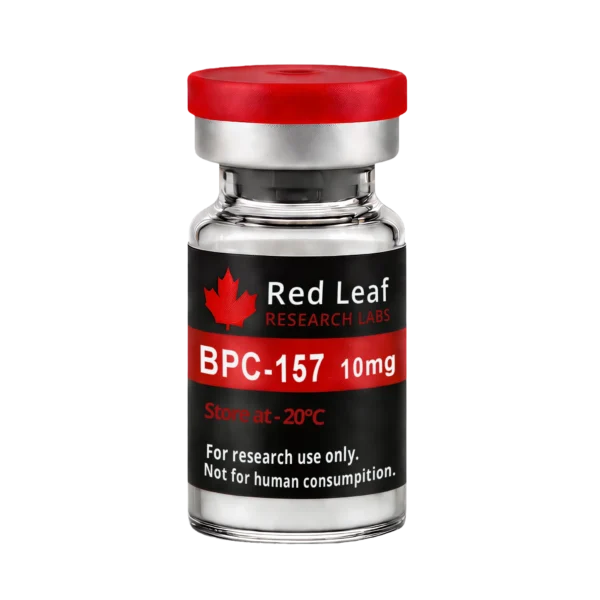 BPC-157 (10mg)$75 CAD · research use only
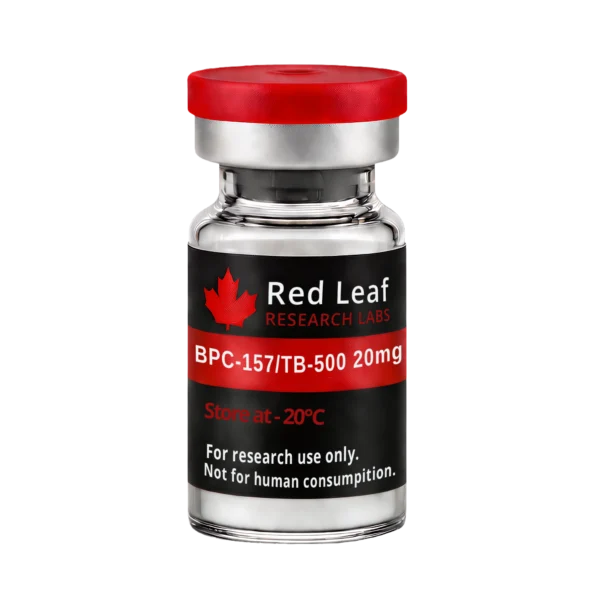 BPC-157 / TB-500 20mg$110 CAD · research use only
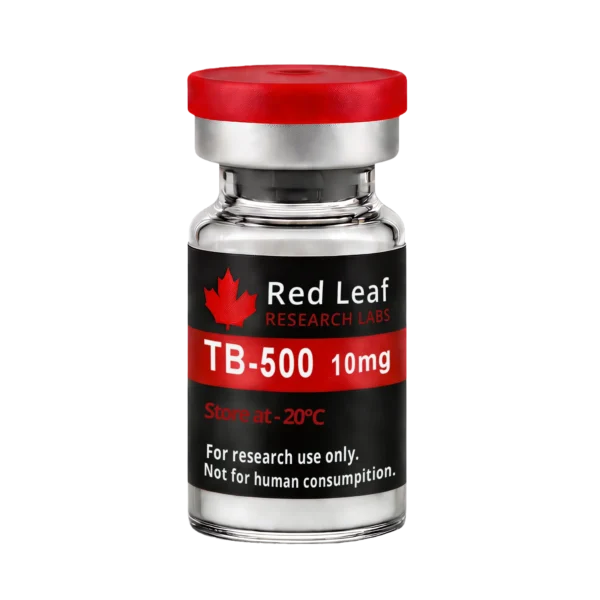 TB-500 (10mg)$84.99 CAD · research use only
 GHK-Cu 100mg – 3ml Vial$64.99 CAD · research use only
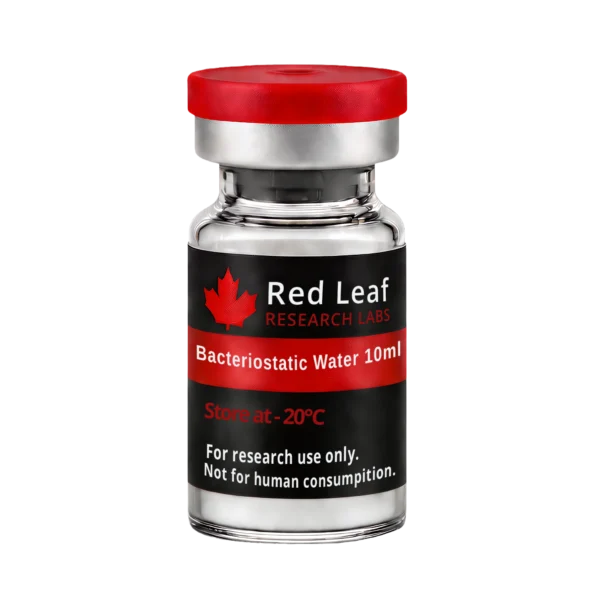 Bacteriostatic Water$10 CAD · research use only
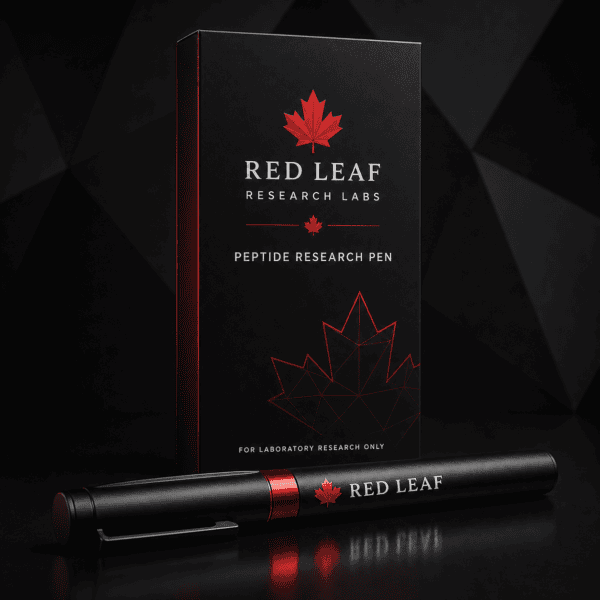 Peptide Pens Canada – Red Leaf Research Pen Add-On$99 CAD · research use only
Every product page carries its batch lab report with a verification link you can check at the testing laboratory, not just a PDF we host.
Research use only. Products sold by Red Leaf Research Labs are not approved by Health Canada for cosmetic application, therapeutic treatment, injection, ingestion, or any form of human or animal use. No claims are made regarding clinical outcomes, safety or efficacy. Pricing and stock are current at the time of publication and subject to change.