Owned and operated by Baba Kahn, a CF veteran

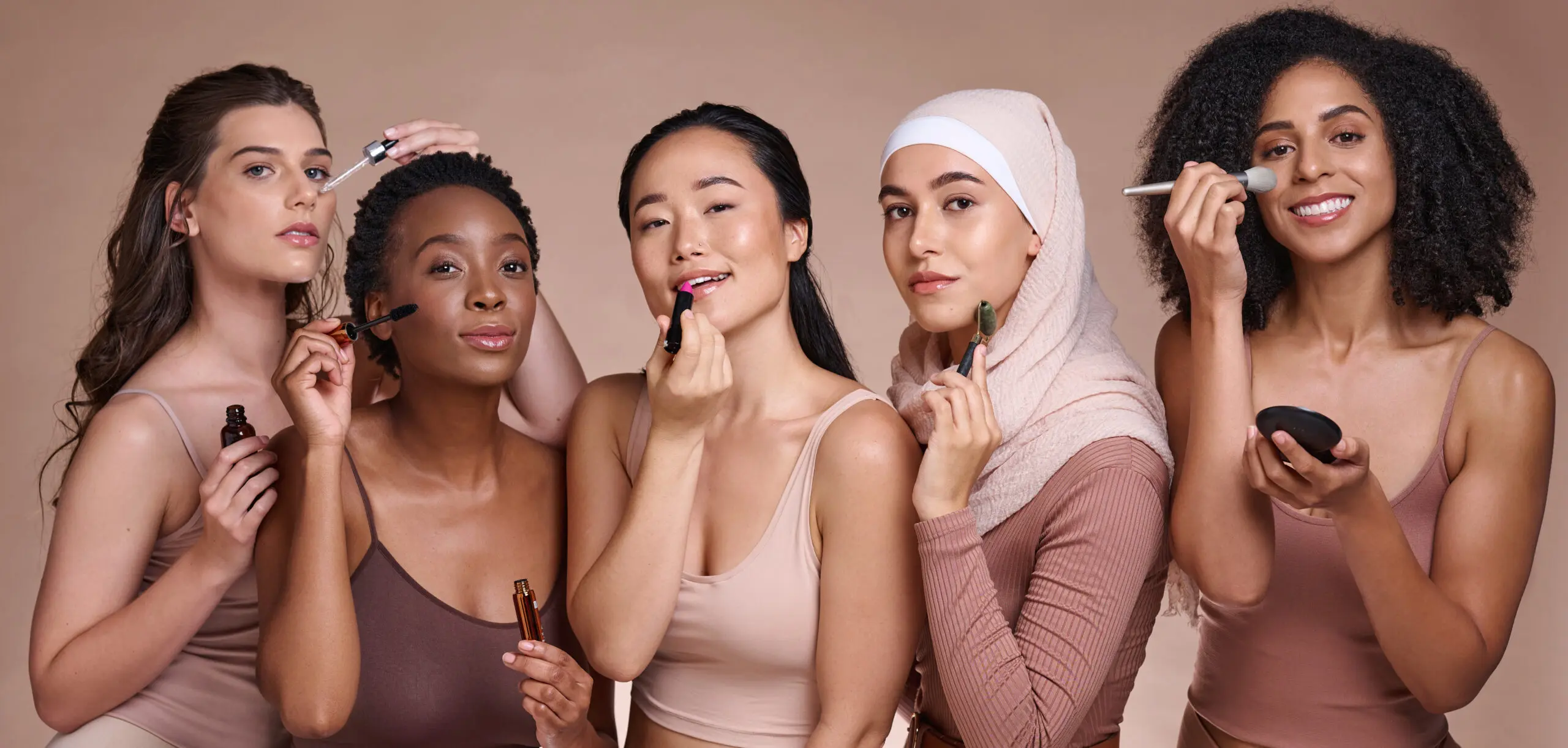
What the copper peptide and cosmetic peptide research covers, and how topical differs from injectable.
- Copper peptides
- Topical vs injectable
- Formulation matters
- Research use only
Most cosmetic peptide research is about signalling — telling skin cells to build collagen or remodel matrix. What matters as much as the peptide is how it was delivered, which is why a hydrogel study does not tell you what a cream or a vial will do.
- Understanding peptides in skincare (in plain language)
- Women’s skin and aging: what changes (and why it matters)
- The science behind copper peptides (and why women are interested)
- GHK-Cu: the best-known copper peptide
- Collagen peptides vs. skincare peptides: what’s the difference?
- Injectable copper peptides: important context and caution
- Topical vs. injectable copper peptides (women’s perspective)
- How to build a peptide-friendly anti-aging routine (simple steps)
- Special considerations for women (pregnancy, postpartum, menopause)
- The peptide marketplace in Canada: how to shop smart
- Safety, side effects, and when to get help
- Frequently asked questions (women-focused)
- Key takeaways
For many women, skincare is more than a beauty habit. It’s part of feeling confident in your skin through busy seasons of life. But as we age, skin can gradually lose firmness, bounce, and even tone. That’s why anti-aging skincare often focuses on supporting collagen, hydration, and the skin barrier, and why copper peptides, including the injectable copper peptides people ask about online, keep coming up.
One ingredient family getting a lot of attention is peptides including copper peptides like GHK-Cu. These small protein fragments can support the look of smoother, healthier skin by helping signal repair processes and supporting collagen.
You’ll see copper peptides in serums and creams, and you may also hear about injectable peptides in online communities. Because injectables come with higher risk and stricter medical oversight, it’s important to approach that topic carefully and focus on informed, safety-first decision-making especially in Canada, where product quality and compliance vary widely across the broader peptide marketplace.
This article is written for women who want an easy-to-read, practical overview of skincare peptides, collagen peptides, skin rejuvenation, and what to know about the research peptides Canada conversation without hype, and without relying on sources from Health Canada or Eli Lilly.
Understanding peptides in skincare (in plain language)
Peptides are short chains of amino acids the same building blocks your body uses to make proteins like collagen and elastin. In skincare, certain peptides are used to help the skin look firmer, smoother, and more even over time.
Think of peptides as messengers: some help signal that skin should support its own repair and renewal pathways. Different peptides do different jobs, and results depend on formulation, consistency, and your skin’s needs.
Main types of peptides you’ll see in skincare
- Signal peptides: support the appearance of firmer skin by encouraging collagen-supportive activity.
- Carrier peptides: help deliver minerals (like copper) in a skin-friendly way.
- Enzyme inhibitor peptides: help slow the look of collagen breakdown.
- Neurotransmitter inhibitor peptides: used in products that aim to soften the look of expression lines.
Peptides are found in serums, moisturizers, eye creams, and masks. Many women like them because they tend to be compatible with hydration-focused routines and can support anti-aging goals without the irritation that stronger actives sometimes cause.
Women’s skin and aging: what changes (and why it matters)
Women often notice shifts in skin sooner or more dramatically due to a mix of biology and lifestyle. Key factors include:
- Hormonal changes (monthly cycles, postpartum, perimenopause/menopause) that can affect oil production, sensitivity, and pigmentation.
- Collagen decline over time, which can show up as fine lines, crepey texture, and less firmness.
- Barrier changes that can make skin feel drier or more reactive, especially in colder climates across Canada.
- Sun exposure, which remains one of the biggest drivers of visible aging (spots, uneven tone, laxity).
Because these drivers can overlap, many women do best with a routine that balances collagen support + hydration + barrier care + daily sunscreen and then layers in targeted ingredients like peptides.
The science behind copper peptides (and why women are interested)
Copper peptides are peptides bound to copper ions. Copper plays roles in skin-supportive processes, and copper peptides are widely discussed for their potential to support:
- Collagen support (helping skin look firmer)
- Elasticity support (helping skin look less lax)
- Antioxidant support (helping defend against environmental stress)
- Visible recovery (supporting the appearance of calmer, healthier-looking skin)
For women, this is especially appealing during life stages where the skin may feel thinner, drier, or slower to recover from irritation.
GHK-Cu: the best-known copper peptide
GHK-Cu (often written as ghk-cu or ghkcu) is one of the most talked-about copper peptides in skincare. It’s naturally found in the body, and interest in it often centers on its potential role in skin renewal and a more youthful-looking appearance.
Why GHK-Cu is popular in women’s anti-aging routines
- Supports the look of firmness by aligning with collagen-focused goals
- Helps with the look of texture (smoother appearance over time with consistent use)
- Often feels gentler than some high-irritation actives (though reactions are still possible)
- Pairs well with hydration (a priority for many women as skin becomes drier with age)
Collagen peptides vs. skincare peptides: what’s the difference?
Collagen peptides are usually discussed as supplements or ingestible powders, while skincare peptides typically refer to topical peptide ingredients used in creams and serums.
Women often use both but they serve different roles:
- Topical peptides: support the look and feel of skin (texture, firmness, hydration support depending on formula).
- Collagen peptides (oral): may support overall collagen-related goals for some people, but results vary and they are not the same as applying peptides to the skin.
If your goal is visible skin rejuvenation, topical routines still hinge on basics like sunscreen and consistent hydration with peptides as a supportive layer.
Injectable copper peptides: important context and caution
Online, you’ll see interest in injectable peptides for cosmetic goals. However, injecting any substance is inherently higher-risk than topical skincare. Product quality, sterility, dosing, and medical screening matter and mistakes can lead to serious complications.
If you’re considering any injectable treatment for anti-aging, treat it like a medical decision:
- Only work with a qualified, licensed medical professional.
- Ask exactly what product is being used, where it’s sourced, and whether it’s appropriate for your goals.
- Be extra cautious with research- products. Many items marketed as research peptides- are not intended for self-use.
This article is informational and not medical advice. For personal recommendations especially regarding injections talk to a qualified clinician.
Topical vs. injectable copper peptides (women’s perspective)

Many women start with topical copper peptides because they’re non-invasive and easier to integrate into a routine. Injectables, when pursued, are typically considered a professional/clinical option and should never be DIY.
- Topical: slower, steady improvements with consistent use; lower risk; easier to stop if irritated.
- Injectable (provider-administered): potentially more targeted; higher risk; requires medical oversight.
How to build a peptide-friendly anti-aging routine (simple steps)
If you’re a woman building an anti-aging routine around peptides, focus on consistency and barrier support.
- Cleanser: gentle, non-stripping (especially if you’re prone to dryness).
- Peptide serum: apply on clean skin (follow label directions).
- Moisturizer: to support hydration and reduce irritation risk.
- Sunscreen (AM): daily SPF is a must for visible anti-aging results.
If you use stronger actives (like retinoids or exfoliating acids), introduce peptides slowly and watch for sensitivity. Many women prefer to separate potentially irritating products across different nights.
Special considerations for women (pregnancy, postpartum, menopause)
Women’s skincare needs can change dramatically during major hormonal shifts:
- Pregnancy/breastfeeding: ask your clinician before adding new actives or considering any procedures. When in doubt, keep routines simple and gentle.
- Postpartum: the skin can be more reactive; focus on barrier repair, hydration, and sunscreen.
- Perimenopause/menopause: dryness and thinning are common; hydrating formulas and barrier-supportive routines matter, and peptides may be a helpful supporting ingredient.
The peptide marketplace in Canada: how to shop smart
Searches like peptides Canada, ghk-cu Canada, and peptide marketplace Canada reflect growing interest. If you’re shopping in Canada, prioritize safety and transparency, especially for anything positioned as research peptides Canada. That means third-party certificates of analysis you can actually verify, and knowing the warning signs covered in our guide to spotting irresponsible peptide suppliers in Canada.
Quick checklist before you buy
- Choose reputable sellers with clear ingredient lists and usage instructions (for topical products).
- Look for quality signals like batch/lot information and clear contact details.
- Be skeptical of extreme claims (instant lifting, permanent wrinkle erasing, etc.).
- Avoid DIY injectable experimentation. If it involves needles, it belongs in a professional setting.
Safety, side effects, and when to get help
Topical copper peptides are often well-tolerated, but any active can irritate. Watch for burning, persistent redness, rash, or worsening sensitivity.
- Patch test on a small area for 24 hours.
- Start low and slow (a few times per week) if you have sensitive skin.
- Stop and seek medical advice if you have a strong reaction.
For injectable or procedure-based options, get professional guidance and make sure you understand risks, aftercare, and what’s realistic.
Frequently asked questions (women-focused)
Do copper peptides work for women in their 20s and 30s?
They can. Many women use peptides for hydration support and early prevention, while focusing most of their results on sunscreen and consistent routines.
Do copper peptides help with the look of wrinkles after 40?
They may help support firmness and texture, especially when paired with moisturization and daily SPF. Results are gradual and vary by person and formula.
Can I use copper peptides if I also use retinol?
Often yes, but many women prefer to separate them (different nights) if irritation is an issue. If you’re sensitive, introduce one change at a time.
Are research peptides- the same as skincare products?
Not necessarily. Research- labeling often means the product isn’t intended for personal cosmetic use. For skin, stick to topical products made for skincare and consult professionals for any procedures.
Key takeaways
- For women, peptides can be a supportive tool for anti-aging especially alongside sunscreen, hydration, and barrier care.
- GHK-Cu is the most recognized copper peptide and is commonly used in topical skincare.
- Be cautious with anything injectable: injectable copper peptides belong in a licensed medical setting, never a DIY one.
- When shopping in Canada, choose transparent, reputable sources and be skeptical of exaggerated claims.
With the right expectations and a consistent routine, copper peptides can fit nicely into a women’s skincare plan focused on long-term, healthy-looking skin rejuvenation.
 Snap 8 10mg$59.99 CAD · research use only
 GHK-Cu 100mg$64.99 CAD · research use only
 Glutathione 1500mg$59.99 CAD · research use only
 Bacteriostatic Water$10 CAD · research use only
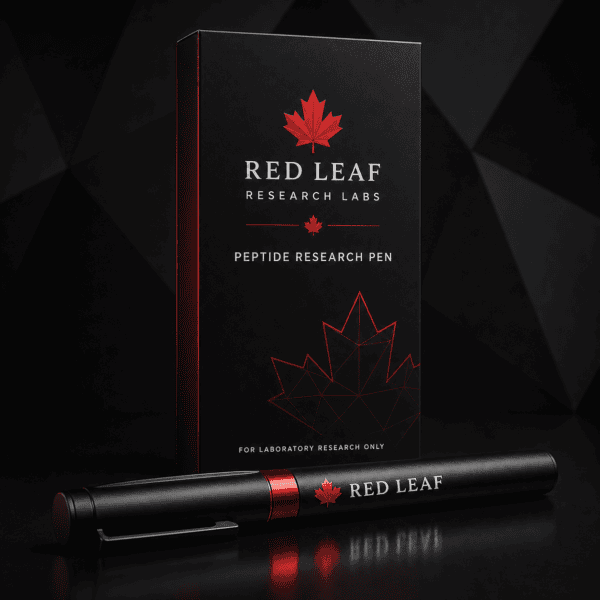 Peptide Pens Canada – Red Leaf Research Pen Add-On$99 CAD · research use only
Every product page carries its batch lab report with a verification link you can check at the testing laboratory, not just a PDF we host.
Research use only. Products sold by Red Leaf Research Labs are not approved by Health Canada for cosmetic application, therapeutic treatment, injection, ingestion, or any form of human or animal use. No claims are made regarding clinical outcomes, safety or efficacy. Pricing and stock are current at the time of publication and subject to change.