Owned and operated by a cf veteran


What is known about alcohol alongside a GLP-1 style compound, what the trials did not test. And where the risk actually sits.
- Not tested in trials
- Gut effects overlap
- Dehydration risk
- Not approved anywhere
No retatrutide trial set out to test alcohol. What is known is that both alcohol and this drug family upset the gut. And both can dry you out. Slower stomach emptying can also change how alcohol hits. There is no safe amount published. Because the question was never studied. Retatrutide is not approved anywhere and nothing here is medical advice.
- What is retatrutide, and why w…
- What if you have one drink?
- What if alcohol makes nausea o…
- What if you have diabetes or t…
- What if alcohol feels stronger…
- What if you drink close to a d…
- What if retatrutide reduces al…
- What if the goal is weight loss?
- A checklist before you decide
- The short version
- Common questions
Short answer: nobody knows. There is no human study on drinking while taking retatrutide. So there is no safe amount, no waiting period and no number anyone can honestly give you. What alcohol can do is pile on top of the nausea, throwing up, reflux, dizziness, dehydration and blood-sugar swings that retatrutide already causes. Anyone in a clinical trial should follow the trial team’s instructions and ask them before drinking.
Picture an ordinary Canadian weekend. Dinner with friends. A pint after work. A glass of wine at somebody’s birthday.
Now add retatrutide. What changes?
Honestly, nobody has checked. Retatrutide has been studied for weight and related conditions. But no trial has ever been designed to look at retatrutide and alcohol together. So when a website gives you a safe limit, a number of hours to wait, or a figure for how much your blood alcohol will change, they are making it up. There is nothing to base it on.
What we do know is simpler. Retatrutide commonly upsets the gut. Alcohol also upsets the gut, dries you out and moves your blood sugar around. Put two things that do the same job together and the result gets harder to predict.
Important: this is general education, not medical advice. Retatrutide is investigational and not available for public use. Do not take anything sold as retatrutide outside a legitimate clinical trial. If you are in a trial, ask your trial clinician about alcohol. Get urgent care for severe or lasting stomach pain, repeated vomiting, fainting, confusion, trouble breathing, or signs of severe low blood sugar.
What is retatrutide, and why would alcohol matter?
Retatrutide switches on three hormone receptors at once. GIP, GLP-1 and glucagon. In the research it is given once a week. Appetite, digestion and blood sugar are all part of what it changes. That is why researchers are interested in it.
In the Phase 2 obesity trial, the most common problems were gut problems. Nausea, diarrhea, throwing up, constipation. They tracked with the dose and mostly turned up while doses were being raised. Heart rate went up too, more at higher doses.
Alcohol, all on its own, causes nausea, reflux, dehydration, dizziness, bad judgement and blood sugar changes. It also carries calories without much else and wrecks your sleep.
So the worry is not some special chemical reaction between the two. There is no evidence of one. The worry is that both things push in the same direction. And together they could leave you feeling worse than you expected.
What if you have one drink?
There is no evidence that one drink is fine. And none that it is dangerous. Nobody has tested it.
What happens probably depends on things like:
- whether you are already nauseated, constipated or dehydrated
- how much you have eaten
- diabetes, and whether you take insulin or other glucose-lowering medicine
- liver, gallbladder or pancreas conditions
- other medicines that react with alcohol
- how much, and how fast
- what your trial team has told you
If you are eating far less than usual, alcohol may hit differently. If you are already being sick, replacing lost fluid is harder.
And because there is no data here, “I was fine last time” tells you nothing about next time.
One more thing for Canadian readers. A standard drink is not simply whatever fits in your glass. strength and serving size both count. Canada’s guidance is that less is better and that every level carries some risk. That advice is for the general population. It was not written for someone taking an investigational drug. And it does not become a safe limit just because you are looking for one.
What if alcohol makes nausea or reflux worse?
This is the most likely overlap of the lot.
Trials have commonly reported nausea and other digestive trouble. Alcohol irritates the stomach on top of that. Beer, cider, sparkling wine and sugary cocktails add carbonation, acid, or simply a lot of liquid to a stomach that is already emptying slowly.
If you already have nausea, vomiting, reflux, diarrhea or real stomach pain, drinking makes it harder to stay hydrated. It also makes it harder to tell whether things are becoming serious.
Do not push through severe symptoms. Repeated vomiting, not being able to keep fluids down, fainting or bad stomach pain all need looking at now.
Pain that will not go away, especially pain that goes through to your back, is not a hangover. Do not treat it as one.
What if you have diabetes or take glucose-lowering medication?
This one deserves more care than the rest.
Alcohol makes blood sugar unpredictable. And more so if you have eaten less than normal. Worse, it hides the warning signs. Dizziness, sweating, confusion, poor coordination. those are the early signs of low blood sugar. And they are also what being drunk looks like.
The Phase 2 trial did not report clinically significant low blood sugar. But that does not answer the alcohol question and it does not cover every combination of diabetes medicines.
Anyone with diabetes, a history of hypoglycemia, or on insulin or a sulfonylurea needs advice from their own clinician or trial team, not from a page on the internet.
If you think someone has severe low blood sugar, follow their emergency plan and get help. Never put food or drink in the mouth of someone who is unconscious.
What if alcohol feels stronger, or weaker, than expected?
Nobody can tell you. There is no human study measuring what retatrutide does to alcohol absorption.
Its GLP-1 activity does slow how fast your stomach empties. And people take that mechanism and build confident predictions on it. That is guesswork dressed up as science.
The real risk is not being stronger or weaker. It is being unpredictable. Eating less, being dehydrated, being tired and having a churned-up gut all change how drinking feels.
And here is the part that actually matters. Feeling less drunk does not mean you are less drunk. Your blood alcohol does not care how you feel.
So the rule stays what it always was. Never drive after drinking. And never use how you feel to decide whether you are fit to.
What if you drink close to a dose?
There is no evidence-based number of hours. None. Any advice telling you to skip a dose, move a dose, or wait a set time is not based on a retatrutide alcohol study. Because no such study exists.
Do not change, delay or stop a clinical-trial dose because you are planning to drink, unless the trial team tells you to. Protocols differ. And moving the schedule affects both your safety and the study’s data.
What if retatrutide reduces alcohol cravings?
Some people on GLP-1 medicines say they want alcohol less. And researchers are genuinely looking at whether this class of drug affects alcohol-related reward.
That is an open research question. It is not a finding, and it is definitely not a treatment.
Retatrutide should not be used by anyone to manage cravings, binge drinking or dependence. And there is a specific danger worth spelling out: cutting alcohol suddenly can be medically dangerous for someone who drinks heavily or has been through withdrawal before. That is a situation for a healthcare professional or an addiction service, not something to handle alone.
What if the goal is weight loss?
Alcohol works against most of the habits that help. Calories, worse sleep, worse training, worse food decisions afterwards.
But the claims you see are still nonsense. One drink does not stop fat burning for a fixed number of hours. And it does not erase a specific amount of progress. What matters is the overall pattern, not one evening.
The bigger point sits underneath all of it. Retatrutide is investigational. Weight-loss numbers from controlled trials are not a promise attached to something bought online. And they are not a reason to experiment on yourself.
A checklist before you decide
If you are in a legitimate trial and alcohol comes up, ask the team. Useful questions:
- Does my protocol restrict alcohol?
- Do the symptoms I have right now make it a bad idea?
- Does my diabetes or other medication raise the risk?
- What symptoms mean I should call the study site or get urgent care?
- Should I record alcohol in my trial diary?
Skip the drink and call someone if you are already throwing up, cannot keep fluids down, have real stomach pain, are getting frequent low blood sugar, or just feel wrong after a dose.
The short version
- No study has ever tested retatrutide and alcohol together. So any safe limit or waiting period you read is invented.
- The concern is overlap, not a special reaction. both cause nausea, dehydration and blood sugar swings.
- The gut overlap is the most likely problem, and it makes staying hydrated harder.
- Diabetes makes it more serious. Because drunk and hypoglycemic look the same from the outside.
- Feeling less drunk is not being less drunk. Never drive on it.
- Do not move a trial dose around your drinking without being told to.
- Reduced cravings is a research question, not a treatment. Sudden alcohol cessation can be dangerous – get help for that.
For trial participants, the protocol and the trial clinician decide. For everyone else, retatrutide is not a self-use product. And anything marketed for personal use outside a trial should be left alone.
For qualified laboratory researchers
Red Leaf Research Labs lists retatrutide research product specifications for qualified laboratory research only. It is not for human or veterinary use. And that link is not a recommendation for personal use.
Common questions
Can you drink wine on retatrutide?
Nobody has tested it. Wine can make nausea, reflux, dehydration and dizziness worse in some people. If you are in a trial, ask your clinician first.
Can you drink beer on retatrutide?
Beer is not the safer option. The carbonation and the sheer volume can be uncomfortable if you are already feeling full or refluxy. And strength and serving size vary a lot more than people assume.
Does retatrutide make alcohol stronger?
No human study has looked. Eating less, being dehydrated and slower digestion could all make drinking feel different. But anyone quoting numbers for absorption or blood alcohol is guessing.
Can alcohol worsen retatrutide side effects?
Probably, yes. Alcohol causes nausea, vomiting, reflux, dehydration, dizziness and glucose changes. the same list retatrutide research keeps producing.
Should you skip retatrutide if you plan to drink?
Do not change a trial schedule without instructions from the trial team. There is no evidence-based rule about skipping doses for a night out.
Can retatrutide reduce alcohol cravings?
It is being talked about as a research possibility. It is not an established treatment for cravings or alcohol use disorder. Anyone worried about heavy drinking or withdrawal should speak to a professional.
Does retatrutide interact with alcohol?
No trial tested it. Both upset the gut and both can dry you out. So the effects can stack. Nobody has measured how much.
Can you drink on reta?
There is no published guidance. Because there is no approved product and no study of the question.
Why might alcohol feel stronger?
Slower stomach emptying changes how fast alcohol reaches the gut and the bloodstream. That can shift how it feels.
What is the main risk?
Dehydration. Vomiting and diarrhea already pull fluid out. Alcohol adds to that.
Does alcohol affect blood sugar here?
Alcohol can lower blood sugar on its own. Combined with drugs that also act on blood sugar, that matters more.
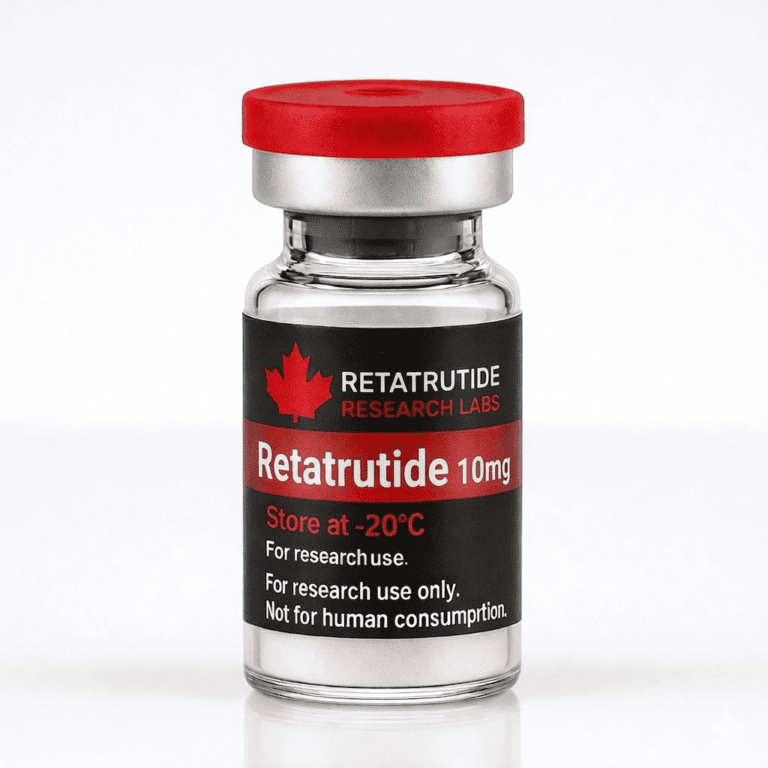 Retatrutide 10mg$79.99 CAD · research use onlyRetatrutide 20mg$149 CAD · research use onlyRetatrutide 30mg$199 CAD · research use only
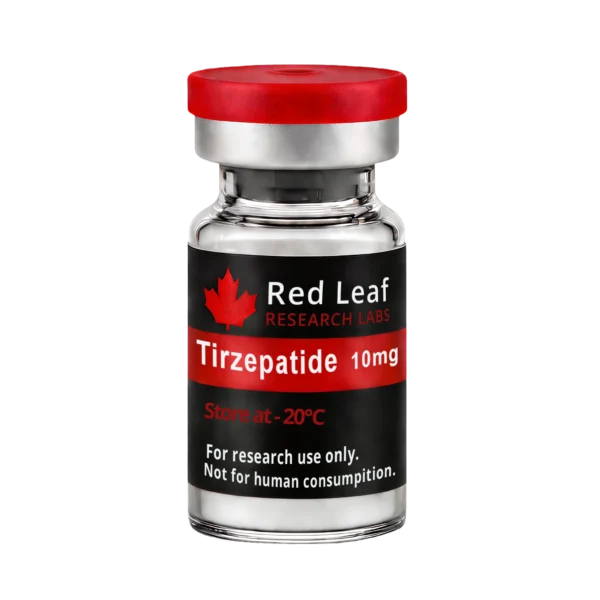 TirzepatideFrom $54 CAD · 10mg or 20mg
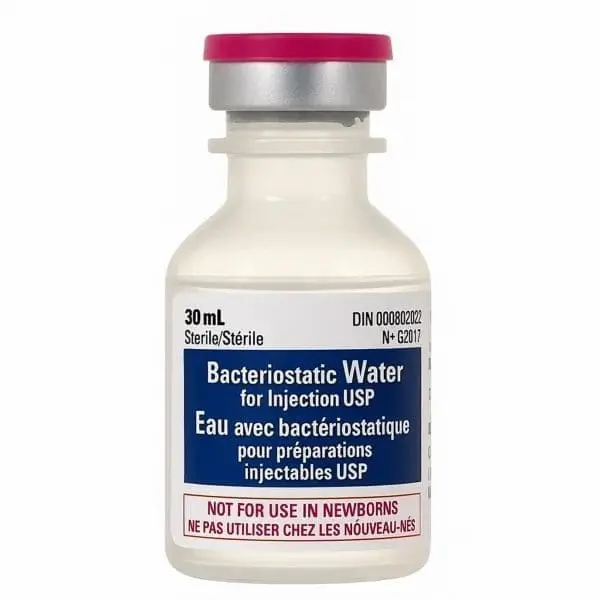 Bacteriostatic Water 30mlMixing liquid for lab work
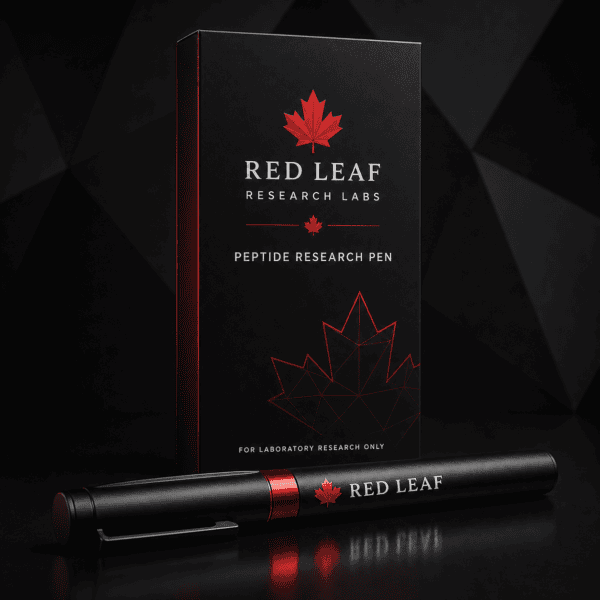 Research Pen Add-OnLab handling accessory
Other retatrutide guides on this site
Where to get retatrutide
The full buyer’s guide for labs, with supplier checks.
Availability in Canada
Where the rules stand and what approval would take.
Retatrutide cost in Canada
Price per mg, per vial and per size, with the full math.
Side effects in the research
What the trials reported, without turning it into advice.
Retatrutide vs Ozempic
Three receptors against one, on the published numbers.
Sema vs tirze vs reta
One, two and three receptors, side by side.
Sold for lawful lab research only. Not a medicine, and not for use on people or animals.
Research and buying information only. Not medical advice. Not dosing advice. Not a recommendation for human use. Retatrutide from Red Leaf Research Labs is lab research material and is not approved by Health Canada for injection, ingestion, or any human or animal use. Prices and shipping terms change; check the live product page. Reviewed September 5, 2026 by Baba Kahn, founder of Red Leaf Research Labs.