Owned and operated by a cf veteran


What PT-141 is, how it differs from the drugs it gets compared with, and what the research covers.
- Melanocortin agonist
- Acts centrally, not vascularly
- Not approved in Canada
- Research use only
PT-141 works through melanocortin receptors in the brain rather than on blood flow, which is what separates it from the drugs it usually gets compared with. It is not approved in Canada and is supplied here as research material.

PT-141, also known as Bremelanotide, is one of the most widely discussed peptides in scientific research. Originally developed from melanocortin peptide research, PT-141 has attracted attention because of its unique interaction with receptors in the central nervous system.
In this guide, we’ll explain what PT-141 is, how it works, and why researchers continue to study it.
What Is PT-141?
PT-141 is a synthetic peptide derived from Melanotan II (MT2). It belongs to a class of compounds known as melanocortin receptor agonists.
Unlike many peptides that are studied for their effects on tissues or hormones, PT-141 is primarily researched for its interaction with melanocortin receptors located within the central nervous system. Researchers have focused particularly on the MC3 and MC4 receptor pathways. (PMC)
Today, PT-141 remains an important subject in melanocortin and neuroendocrine research.
How Was PT-141 Developed?
PT-141 was developed during studies involving melanocortin peptides and receptor signaling.
Researchers discovered that modifying Melanotan II produced a peptide with unique receptor-binding properties. This eventually led to the development of PT-141, also known by its pharmaceutical name, Bremelanotide. (PMC)
Since then, scientists have continued investigating how PT-141 interacts with melanocortin pathways throughout the body.
Why Are Researchers Interested in PT-141?
PT-141 has attracted scientific interest because it works differently from many other compounds studied in the same field.
Research has explored its relationship with:
- Melanocortin receptors
- Central nervous system signaling
- Neuroendocrine pathways
- Hormonal communication systems
- Biological response mechanisms
Because these systems are highly complex, PT-141 continues to be studied in both laboratory and clinical settings. (PMC)
How Does PT-141 Work?
Researchers believe PT-141 works primarily through activation of melanocortin receptors, particularly MC3R and MC4R.
These receptors are involved in neurological signaling and communication within the brain and central nervous system. By studying PT-141, scientists can gain a better understanding of how melanocortin pathways function and influence biological processes. (PubMed)
What Makes PT-141 Different?
One reason PT-141 stands out is that its primary area of research focuses on receptor signaling within the nervous system.
Unlike peptides that are primarily studied for tissue-related pathways, PT-141 is often examined for its effects on melanocortin receptor activity and neuroendocrine communication.
This unique mechanism has made it one of the most recognizable peptides in the melanocortin family. (PMC)
Is PT-141 Naturally Occurring?
No.
PT-141 is a synthetic peptide created in a laboratory. It was developed from research involving naturally occurring melanocortin hormones, but PT-141 itself does not occur naturally within the human body. (PubMed)
Is PT-141 Approved for Human Use?
The compound known as Bremelanotide has received approval in the United States for a specific medical use under the brand name Vyleesi. However, PT-141 continues to be widely discussed and studied in scientific research settings. Researchers should always follow applicable regulations, institutional guidelines, and ethical standards when conducting peptide-related studies. (Mayo Clinic)
Frequently Asked Questions
What does PT-141 stand for?
PT-141 is the research designation for Bremelanotide, a synthetic melanocortin receptor peptide. (PubMed)
Is PT-141 a research peptide?
Yes. PT-141 is commonly studied in laboratory, clinical, and scientific research involving melanocortin receptor biology. (PMC)
Is PT-141 naturally occurring?
No. PT-141 is a synthetic peptide developed through melanocortin research. (PubMed)
Why is PT-141 popular among researchers?
Researchers continue studying PT-141 because of its interaction with melanocortin receptors and its unique role in neuroendocrine signaling pathways. (PMC)
Final Thoughts
PT-141 remains one of the most recognizable peptides in melanocortin research. Its unique receptor interactions and extensive research history continue to make it an important subject for scientists studying neurological and hormonal signaling systems.
As new studies emerge, PT-141 continues to contribute to a growing understanding of melanocortin receptor biology and neuroendocrine communication.
References
- Molinoff PB, et al. PT-141: A Melanocortin Agonist for the Treatment of Sexual Dysfunction. International Journal of Impotence Research. 2003. (PubMed)
- King SH, et al. Melanocortin Receptors, Melanotropic Peptides and Penile Erection. International Journal of Impotence Research. 2007. (PMC)
- Edinoff AN, et al. Bremelanotide for Treatment of Female Hypoactive Sexual Desire Disorder. Neurology International. 2022. (PMC)
- Simon JA, et al. Long-Term Safety and Efficacy of Bremelanotide. Obstetrics & Gynecology. 2019. (PMC)
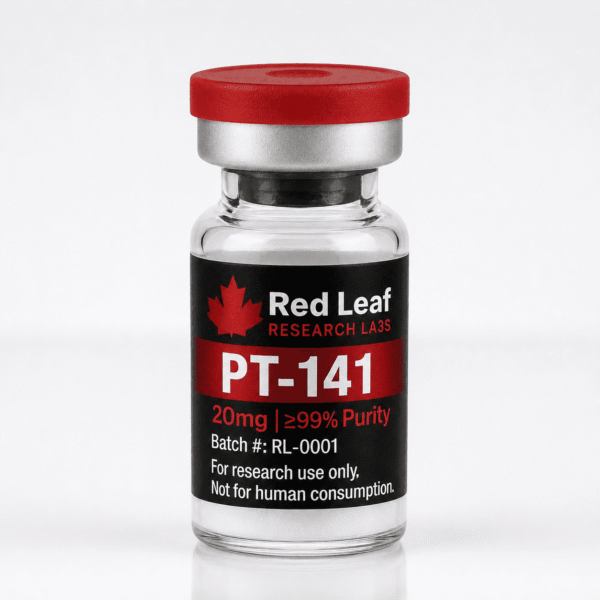 PT-141 20mg$110 CAD · research use only
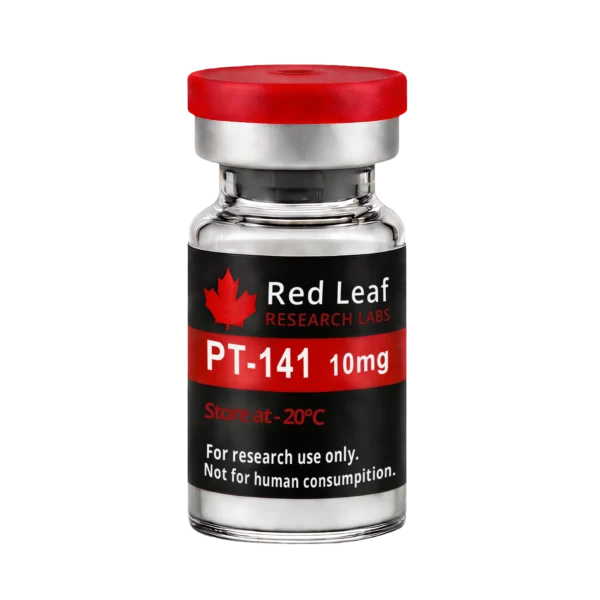 PT-141 10mg$75 CAD · research use only
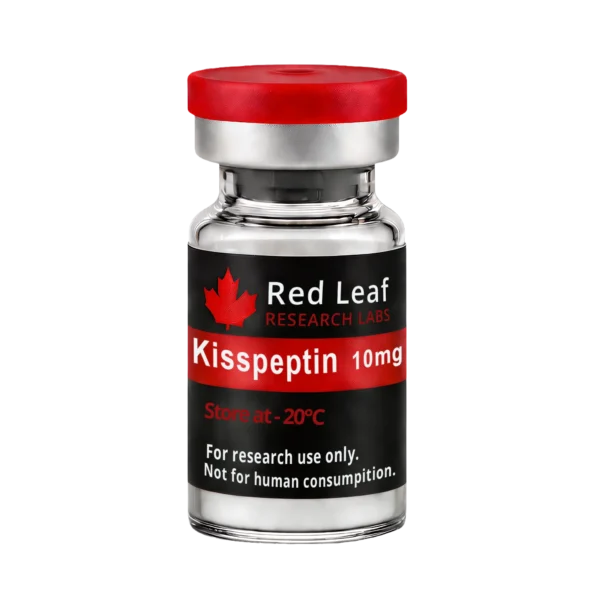 Kisspeptin 10mg$84.99 CAD · research use only
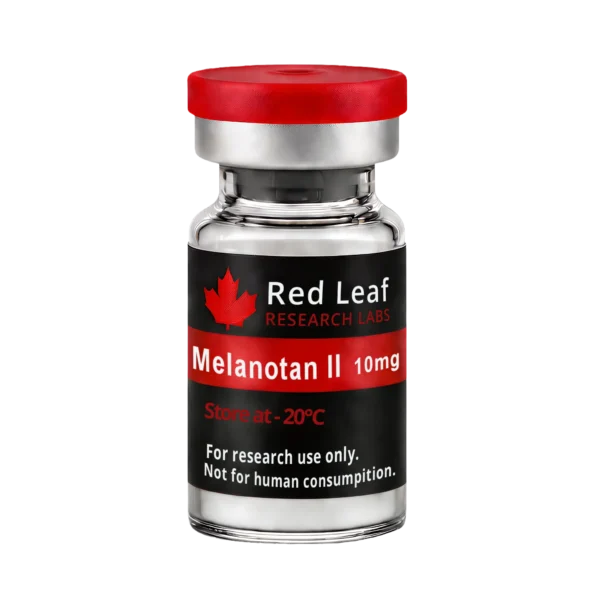 Melanotan II 10mg$49 CAD · research use only
 Bacteriostatic Water$10 CAD · research use only
 Peptide Pens Canada – Red Leaf Research Pen Add-On$99 CAD · research use only
Every product page carries its batch lab report with a verification link you can check at the testing laboratory, not just a PDF we host.
Research use only. Products sold by Red Leaf Research Labs are not approved by Health Canada for cosmetic application, therapeutic treatment, injection, ingestion, or any form of human or animal use. No claims are made regarding clinical outcomes, safety or efficacy. Pricing and stock are current at the time of publication and subject to change.