Owned and operated by a cf veteran
What NAD+ is, what the metabolic research covers, and what the supplement marketing overstates.
- Cellular coenzyme
- Metabolism and repair
- Marketing runs ahead
- Research use only
NAD+ is a coenzyme central to energy metabolism and DNA repair, and levels decline with age — which is the observation the entire longevity marketing category is built on. The research is real and early, and the claims attached to it in supplement marketing go considerably further than the evidence.
What Is NAD+?
NAD+ (Nicotinamide Adenine Dinucleotide) is a molecule found in every cell of the body. Its main job is to help cells produce energy and perform essential functions.
Without NAD+, cells would not be able to efficiently convert food into usable energy.
Because NAD+ is involved in so many biological processes, it has become one of the most studied molecules in modern health and longevity research.
Why Is NAD+ Important?
Think of NAD+ as a helper molecule that keeps your cells running smoothly.
Researchers have found that NAD+ helps support:
✅ Cellular energy production
✅ Mitochondrial function
✅ Metabolic processes
✅ DNA repair mechanisms
✅ Cellular communication
Since every organ relies on healthy cells, NAD+ plays a role throughout the body.
NAD+ and Energy Production
Inside your cells are tiny structures called mitochondria, often referred to as the “powerhouses” of the cell.
NAD+ helps mitochondria convert nutrients into ATP, the energy source that powers nearly everything your body does.
This is one reason NAD+ has become a major focus in research related to cellular performance and healthy aging.
What Happens to NAD+ With Age?
Research suggests that NAD+ levels naturally decline over time.
Scientists believe this decline may affect:
- Cellular energy production
- Mitochondrial efficiency
- Metabolic function
- Cellular repair processes
This connection has made NAD+ one of the most exciting areas of longevity and wellness research.
Why Are Researchers Interested in NAD+?
NAD+ is currently being studied for its potential role in:
Healthy Aging
Researchers are exploring how NAD+ influences biological pathways linked to aging.
Cellular Repair
NAD+ helps power enzymes involved in repairing DNA damage within cells.
Metabolic Health
Studies are investigating how NAD+ affects glucose metabolism and overall cellular energy balance.
Brain and Cognitive Research
Scientists continue to study the relationship between NAD+ and healthy brain function.
The Bottom Line
NAD+ is an essential molecule that helps cells produce energy, maintain normal function, and support important biological processes.
Because NAD+ levels naturally decline with age, researchers are actively studying its role in healthy aging, metabolism, mitochondrial function, and cellular health.
While research is ongoing, NAD+ remains one of the most important molecules in modern longevity science.
References
- National Institutes of Health
- Cell Metabolism
- Nature Reviews Molecular Cell Biology
- Science
Related Research
For a complementary look at cellular protection and repair pathways, see the ARA-290 peptide research guide.
 NAD+From $65 CAD · research use only
 SS-31 50mg$150 CAD · research use only
 5-AMINO-1MQ 50mg$130 CAD · research use only
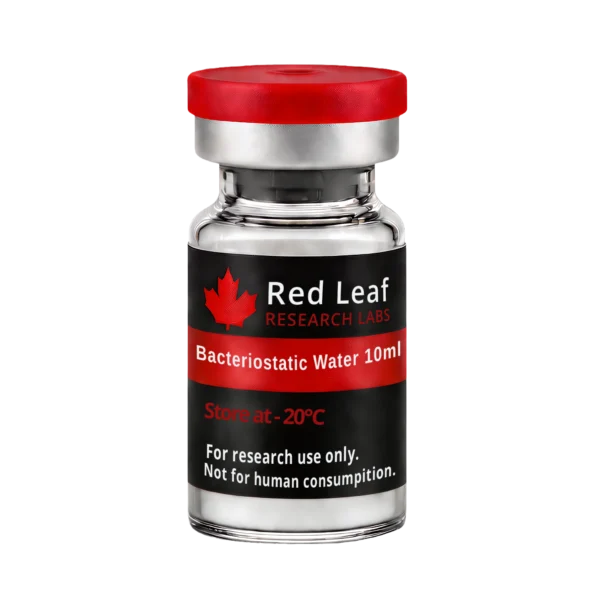 Bacteriostatic Water$10 CAD · research use only
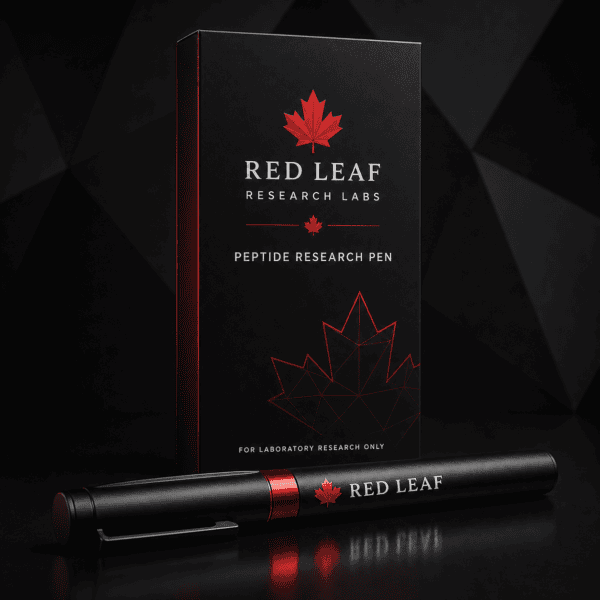 Peptide Pens Canada – Red Leaf Research Pen Add-On$99 CAD · research use only
Every product page carries its batch lab report with a verification link you can check at the testing laboratory, not just a PDF we host.
Research use only. Products sold by Red Leaf Research Labs are not approved by Health Canada for cosmetic application, therapeutic treatment, injection, ingestion, or any form of human or animal use. No claims are made regarding clinical outcomes, safety or efficacy. Pricing and stock are current at the time of publication and subject to change.