
 Owned and operated by a cf veteran

Ten peptides that come up most often in research discussion, and what each one is actually studied for.
- Ten compounds compared
- Evidence varies widely
- None approved in Canada
- Research use only
The ten here cover repair, metabolic, cosmetic, nootropic and longevity research, and the honest through-line is how unevenly the evidence is spread. A couple have real clinical trials behind them. Most have rodent studies and a lot of internet enthusiasm.
Overview of Research Peptides
Research peptides are short chains of amino acids—typically ranging from 2 to 50 residues—that act as highly specific signaling molecules within the body. They function as the biological bridge between small-molecule drugs and large, complex biologics (like monoclonal antibodies).
Because they naturally occur in the body to regulate physiological functions—such as hormone secretion, immune response, and tissue repair—synthetic research peptides are engineered to mimic or enhance these natural pathways. In modern biomedical research, they are prized for their exceptional target selectivity, structural versatility, and generally favorable safety profiles. They allow scientists to study and influence highly specific cellular receptors without triggering the broad, off-target side effects often seen with traditional small-molecule compounds.
Top 10 Must-Know Research Peptides
The research landscape is constantly evolving, but the following ten peptides currently dominate preclinical and clinical investigations across metabolic health, longevity, and tissue regeneration.
Products:
Other research compounds in the Red Leaf catalogue
Beyond the ten above, Red Leaf Research Labs supplies several less commonly discussed compounds. All are supplied for laboratory research use only and are not for human or veterinary use.
- Thymosin Alpha-1 — a 28-amino-acid peptide fragment studied in immune-signalling research.
- PNC-27 — a p53-derived peptide studied in cell-membrane research.
- SNAP-8 — an acetyl octapeptide studied as a cosmetic-ingredient analogue.
- KLOW 80mg — a multi-peptide blend supplied under a supplier acronym rather than a compound name.
- Neurotropin 100iu — supplied in a 100 iu vial for laboratory research use.
- HCG — human chorionic gonadotropin, a glycoprotein hormone studied in endocrine research.
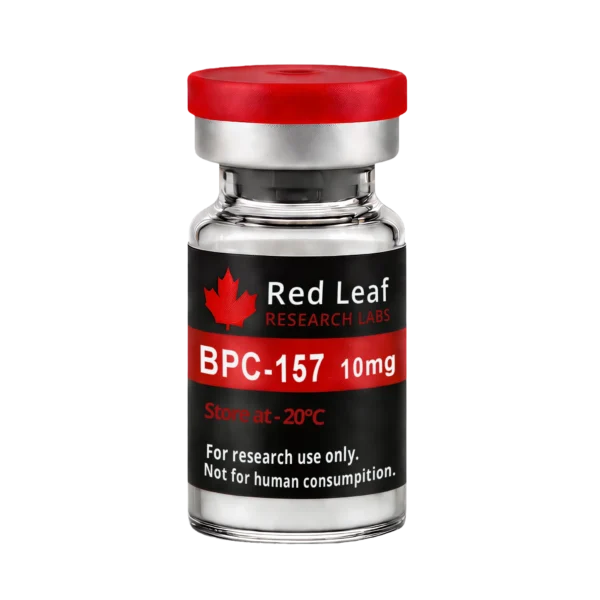 BPC-157 (10mg)$75 CAD · research use only
 GHK-Cu 100mg – 3ml Vial$64.99 CAD · research use only
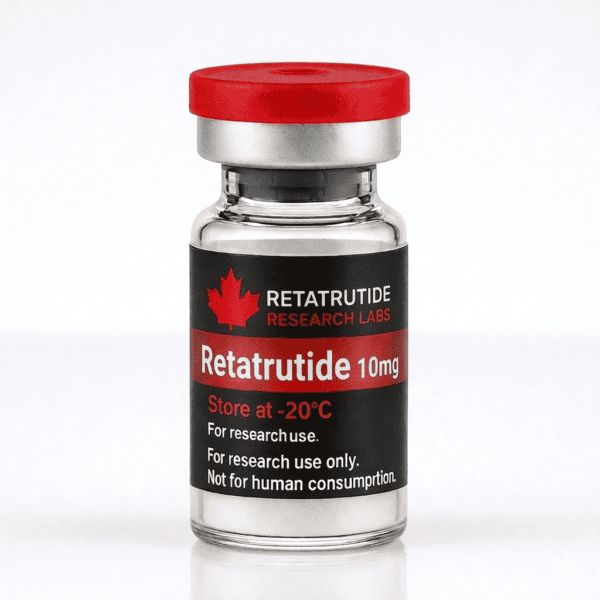 Retatrutide$89.99 CAD · research use only
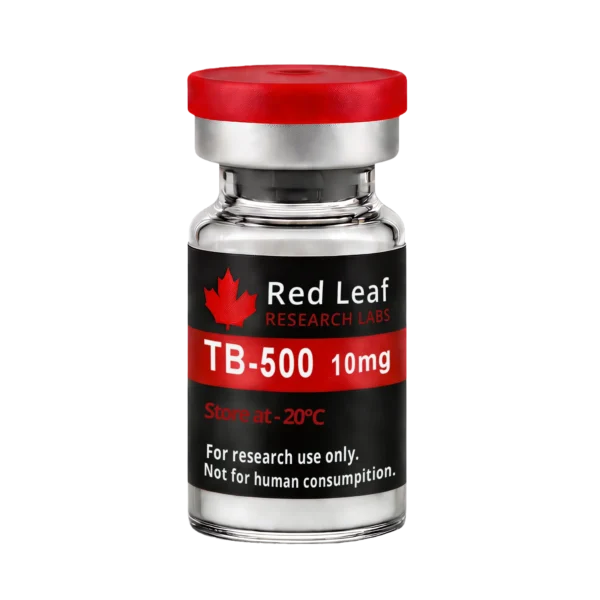 TB-500 (10mg)$84.99 CAD · research use only
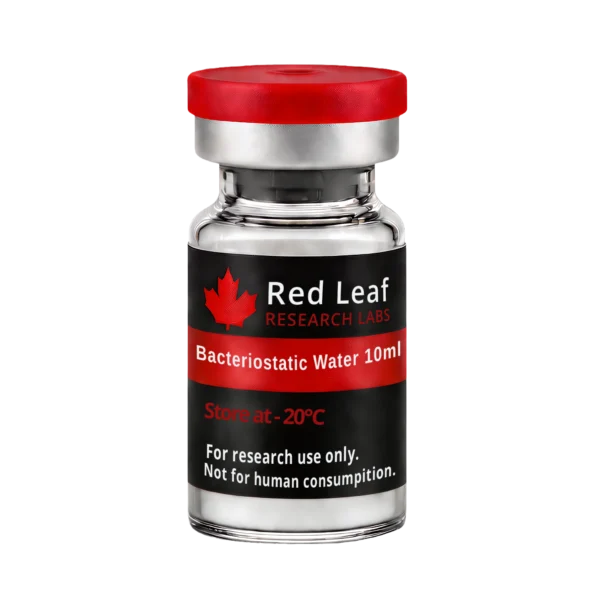 Bacteriostatic Water$10 CAD · research use only
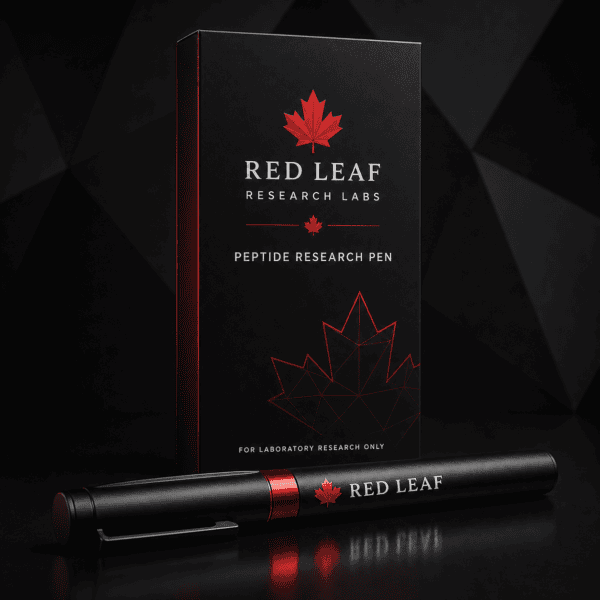 Peptide Pens Canada – Red Leaf Research Pen Add-On$99 CAD · research use only
Every product page carries its batch lab report with a verification link you can check at the testing laboratory, not just a PDF we host.
Research use only. Products sold by Red Leaf Research Labs are not approved by Health Canada for cosmetic application, therapeutic treatment, injection, ingestion, or any form of human or animal use. No claims are made regarding clinical outcomes, safety or efficacy. Pricing and stock are current at the time of publication and subject to change.