
 Owned and operated by a cf veteran


What high hematocrit means, what blood donation does and does not fix, and why it needs monitoring.
- Thickened blood
- Donation is not a treatment
- Needs real bloodwork
- Not medical advice
High hematocrit means the blood is carrying more red cells than it should, which raises clotting risk. Donating blood lowers the number, but treating donation as a management strategy without monitoring misses the point — the number is a symptom, and it needs a clinician looking at the whole picture.
Key takeaway: Testosterone and other anabolic-androgenic steroids can raise hemoglobin and hematocrit. Removing blood may lower those measurements temporarily, but routine blood donation is not a substitute for medical assessment, laboratory monitoring, or addressing the cause. Blood-service staff always make the final eligibility decision.
Conversations about anabolic-steroid harm reduction often include a familiar recommendation: “Just donate blood.” The idea has a kernel of truth—removing red blood cells can reduce hematocrit—but it is frequently oversimplified. Donation does not make steroid use safe, does not treat every cause of an elevated hematocrit, and may be inappropriate for some people.
This Canadian guide explains why androgens can affect red blood cells, what blood removal can and cannot accomplish, and when elevated results call for professional care. For a wider overview, see our Canadian harm-reduction guide for steroid and peptide users.

Why steroids can raise hematocrit
Hematocrit is the percentage of blood volume occupied by red blood cells. Hemoglobin is the oxygen-carrying protein inside those cells. Testosterone and related anabolic-androgenic steroids can stimulate red-cell production. Dose, blood concentration, formulation, age and individual susceptibility all influence the effect.
High-dose, non-medical anabolic-steroid use is not the same as clinician-supervised testosterone replacement therapy (TRT), but both can affect erythropoiesis. Injectable Injectable testosterone formulationse likely to produce elevated hematocrit than topical formulations in clinical TRT populations. Supra-physiological AAS use may introduce additional and less predictable risks.
Do not automatically blame an elevated result on steroids. Dehydration can concentrate the blood temporarily. Smoking, sleep apnea, lung disease, altitude exposure and bone-marrow disorders can also raise hemoglobin or hematocrit. That is why a proper evaluation matters.
What blood donation may do
- Remove a unit of whole blood, including red blood cells.
- Temporarily reduce red-cell mass and commonly lower hemoglobin and hematocrit.
- Provide a useful blood product when the donor qualifies and the blood service accepts it for transfusion.
Those are real effects, but they do not establish routine donation as a safe self-treatment. In a Canadian Blood Services study of men presenting for donation while using TRT, 44% of repeat donors had persistently elevated hemoglobin at later visits. The researchers warned that donation could create the false impression that TRT-related polycythemia and its risks had been eliminated.
What donation cannot do
- It does not stop the androgen-driven signal to produce more red blood cells.
- It does not diagnose dehydration, sleep apnea, smoking-related hypoxia or a blood disorder.
- It does not reverse other steroid-associated risks involving blood pressure, cholesterol, the heart, liver, fertility or mental health.
- It does not guarantee that hematocrit will stay in a safer range between donations.
- It does not make someone eligible to donate if donor-screening rules exclude them.
The distinction between voluntary blood donation and therapeutic phlebotomy is important. Blood services collect donations for patients under rules designed to protect donors and recipients. A clinician orders therapeutic phlebotomy to manage a diagnosed condition; the collected blood may not enter the public blood supply.
Why frequent self-directed donation can backfire
Repeated blood removal reduces iron stores. Over time, frequent donation can contribute to iron deficiency, fatigue, reduced exercise tolerance, headaches or restless legs—even before obvious anemia develops. Taking iron without professional advice is not a simple solution because it can accelerate red-cell recovery and may be inappropriate for other reasons.
Donation can also lower a laboratory number without resolving the exposure driving it. If someone responds by continuing or increasing an androgen dose, the temporary improvement may become a form of false reassurance.
A safer harm-reduction approach
Someone using prescribed testosterone should discuss elevated hematocrit with the prescribing clinician. Depending on the result and the person’s health, management may include repeating the CBC when adequately hydrated, evaluating contributing conditions, reducing the dose, changing the dosing interval or formulation, temporarily withholding treatment, or arranging clinician-directed phlebotomy.
For non-prescribed steroid use, nonjudgmental medical care is still appropriate. A clinician needs an accurate list of substances, doses, injection frequency, cycle duration, nicotine use, other drugs and symptoms to interpret results safely. Concealing use can make it harder to distinguish drug-induced erythrocytosis from another condition.
Useful monitoring conversations
- Complete blood count, including hemoglobin and hematocrit
- Blood pressure and cardiovascular risk
- Symptoms or risk factors for obstructive sleep apnea
- Smoking, vaping and other sources of carbon-monoxide exposure
- Iron status after repeated blood removal
- Whether the androgen dose or formulation should change
Testosterone-treatment guidelines commonly use a hematocrit threshold of 54% as a point requiring intervention, but readers should not treat it as a universal “safe below, dangerous above” boundary. Laboratories use different reference ranges, risk depends on the clinical context, and non-medical AAS use is not fully covered by TRT guidance.
Canadian blood-donation eligibility
Canadian Blood Services states that eligibility depends on health, medications, recent procedures and other factors; donor-centre staff make the final decision. Donors should answer the confidential questionnaire honestly and contact the service before visiting if their situation is unclear. Québec residents should consult Héma-Québec.
Do not use the public blood system as a substitute for medical treatment, and do not withhold steroid use, injections or other relevant information from donor-screening staff. Being willing to donate does not mean a donation is safe for the donor or suitable for a recipient.
When to seek urgent help
Call emergency services for chest pain, sudden shortness of breath, coughing blood, fainting, a new one-sided weakness or numbness, facial droop, difficulty speaking, a sudden severe headache, or a painful swollen leg. These symptoms can have many causes but require urgent assessment.
Bottom line
Blood removal can lower hematocrit temporarily, but “donate blood” is not a complete harm-reduction plan for steroid users. The safer message is: monitor, disclose use honestly, investigate why the value is elevated, address the androgen exposure and contributing conditions, and use therapeutic phlebotomy only when a qualified professional directs it.
Sources and further reading
- Endocrine Society clinical practice guideline on testosterone therapy
- Blood donation and testosterone replacement therapy: Canadian Blood Services study
- Canadian Blood Services eligibility criteria
- Canadian Blood Services donor questionnaire information
- European Association of Urology guidance on male hypogonadism and erythrocytosis
This article is for general education and harm reduction. It is not medical advice, a diagnosis or a recommendation to use anabolic steroids, donate blood or undergo phlebotomy. Consult an appropriate healthcare professional and the relevant blood service.
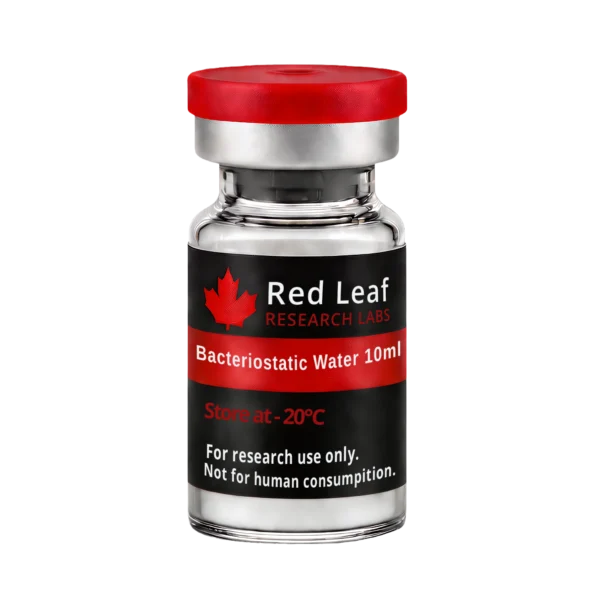 Bacteriostatic Water$10 CAD · research use only
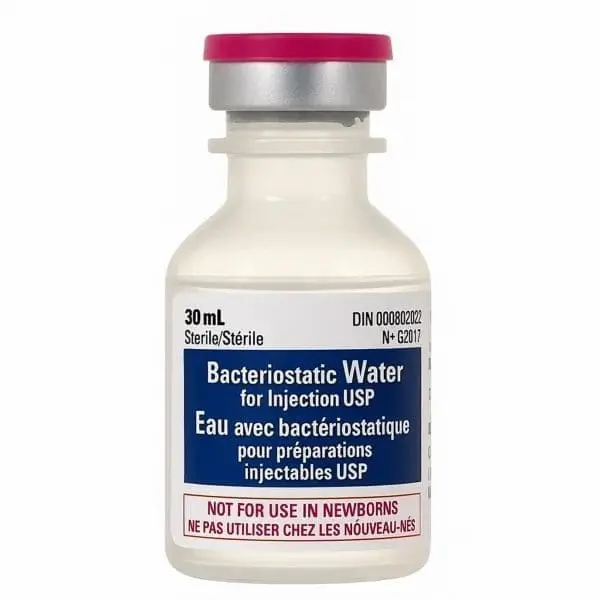 Pfizer Bacteriostatic Water 30ml$24 CAD · research use only
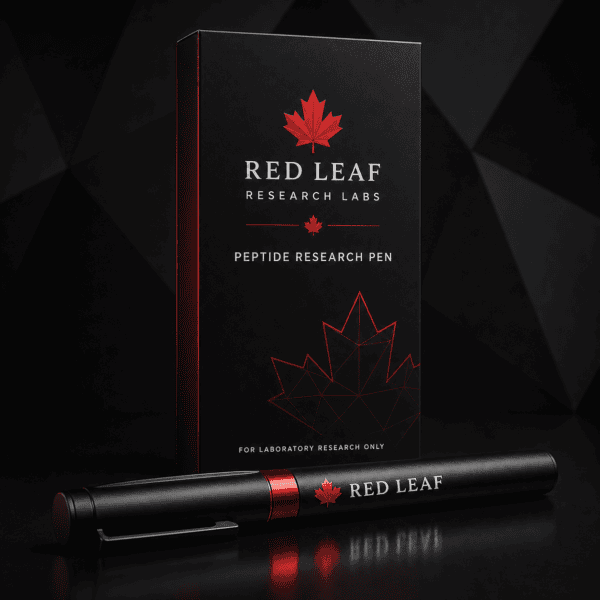 Peptide Pens Canada – Red Leaf Research Pen Add-On$99 CAD · research use only
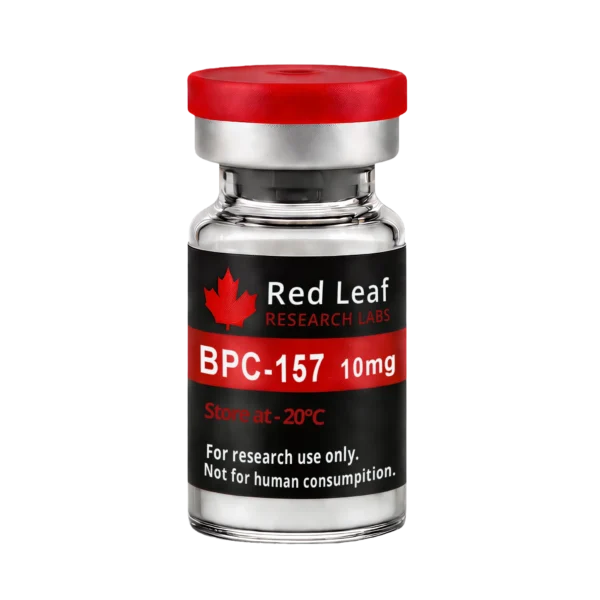 BPC-157 (10mg)$75 CAD · research use only
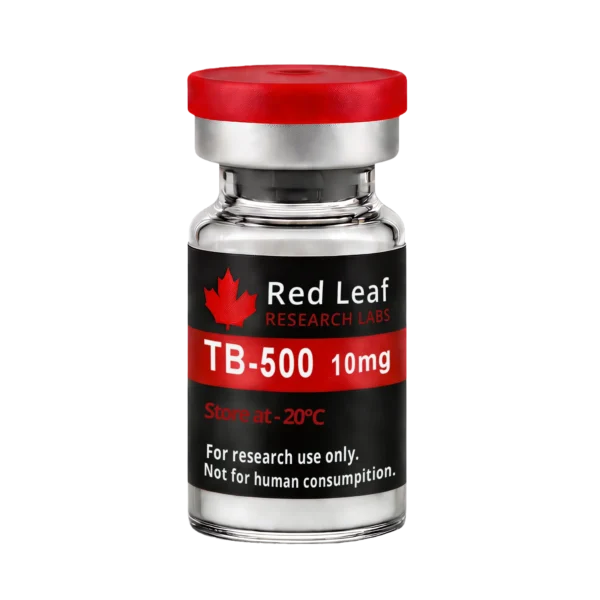 TB-500 (10mg)$84.99 CAD · research use only
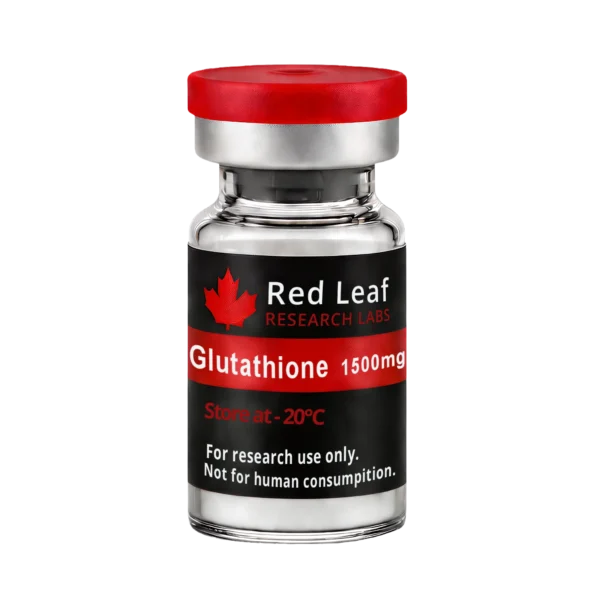 Glutathione 1500mg$59.99 CAD · research use only
Every product page carries its batch lab report with a verification link you can check at the testing laboratory, not just a PDF we host.
Research use only. Products sold by Red Leaf Research Labs are not approved by Health Canada for cosmetic application, therapeutic treatment, injection, ingestion, or any form of human or animal use. No claims are made regarding clinical outcomes, safety or efficacy. Pricing and stock are current at the time of publication and subject to change.