Owned and operated by Baba Kahn, a CF veteran


What retatrutide really costs in Canada. Per vial, per milligram, and the extras every price list leaves out.
- $79.99 for 10mg
- $149 for 20mg
- $199 for 30mg
- Free shipping over $250
Research retatrutide in Canada runs about $6.50 to $8.00 per milligram. At Red Leaf the 20mg is $149 and the 30mg is $199, which works out to $7.45 and $6.63 per milligram, both inside that range. The 10mg vial is $79.99; the smallest vial always carries more of the fixed packaging, testing and handling cost per milligram, which is why it is the least efficient size to buy. Work it out per milligram, not per vial. There is no monthly price, because monthly cost depends on the protocol, not the product. Prices change, so check the live page.
How much does retatrutide cost in Canada?
In 2026, retatrutide from a Canadian research supplier lands between .50 and .00 per milligram. Our pricing sits inside that band.
| Vial size | Price (CAD) | Cost per mg | Regular price |
|---|---|---|---|
| Retatrutide 10mg | $79.99 | $8.00 | $110 |
| Retatrutide 20mg | $149 | $7.45 | $170 |
| Retatrutide 30mg | $199 | $6.63 | $260 |
Two things jump out.
The cost per milligram drops as the vial gets bigger. The 30mg works out about 16% cheaper per milligram than the 10mg.
And the gap between the sale price and the regular price is wide. The same vial looks like a different deal depending on the week you check.
Which is the problem with “how much does retatrutide cost” as a question. There is no single number. There is a range, and it moves with vial size, supplier, testing and what the price includes.
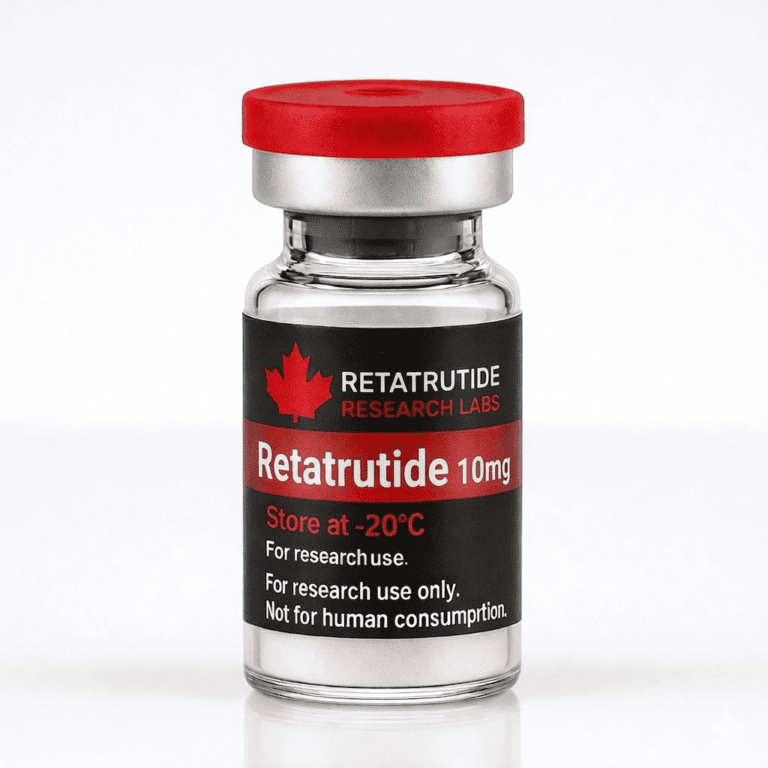 Retatrutide 10mg$79.99 CAD · $8.00 per mgRetatrutide 20mg$149 CAD · $7.45 per mgRetatrutide 30mg$199 CAD · $6.63 per mg
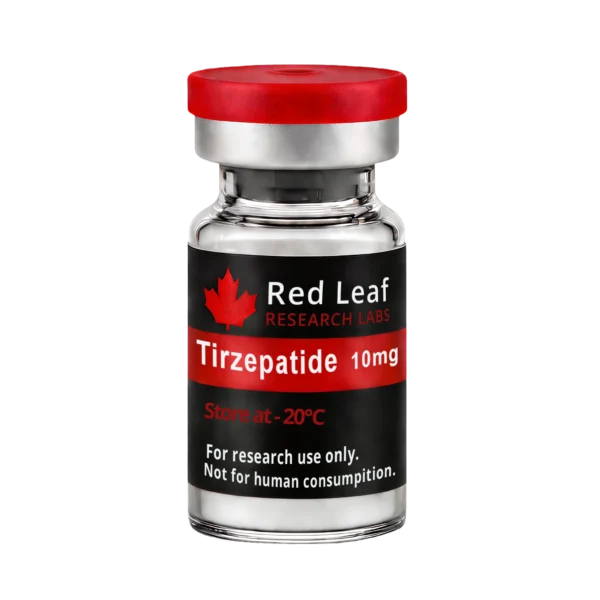 TirzepatideFrom $54 CAD · 10mg or 20mg
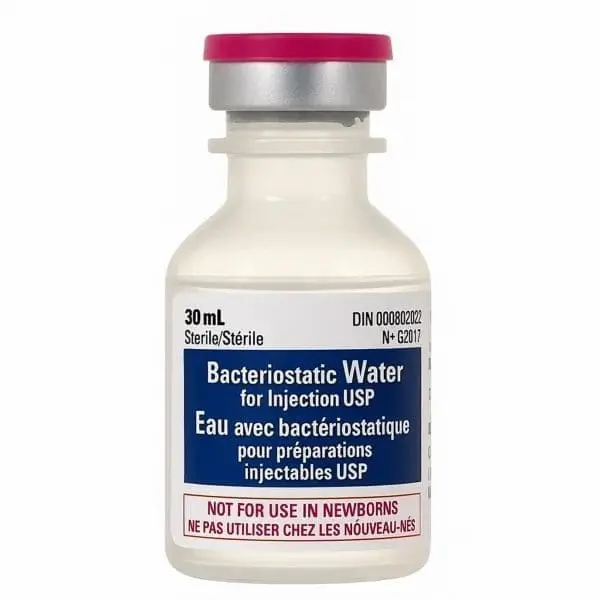 Bacteriostatic Water 30ml$24 CAD · mixes many vials
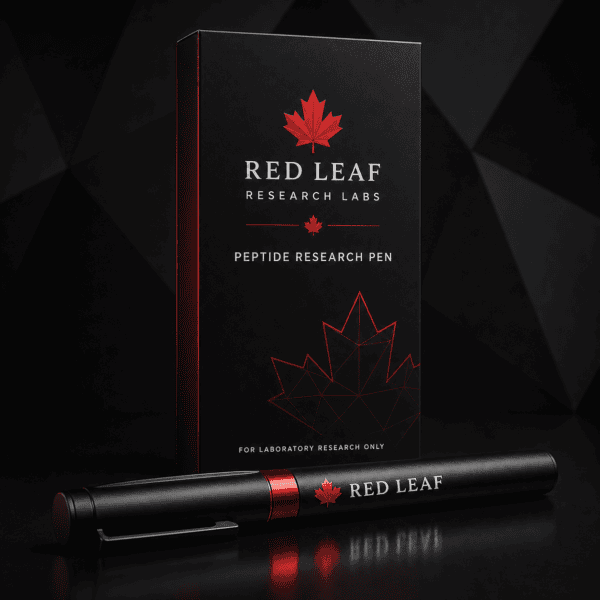 Research Pen Add-On$99 CAD · one-time cost
Retatrutide price by vial size
Canadian suppliers stock three sizes. Same compound in all three. What changes is how much dry powder is inside.
10mg — $79.99
The entry point. Highest cost per milligram of the three.
That is normal. You pay a fixed cost for the vial, the stopper, the freeze-drying run, the lab report and the cold packaging. Spread that over 10mg instead of 30mg and the per-mg price has to rise.
Right for a short study or a first order from a new supplier. Wrong if you know you will use 30mg. You would pay about $37 more for the same mass.
20mg — $149
The size most Canadian labs order. Usually the best balance.
At $7.45 per mg it is about 6% cheaper than the 10mg. And the mixed volume stays small enough to finish in a sensible window.
30mg — $199
Lowest cost per milligram at $6.63.
The trade-off is time, not money. Once mixed, peptide solution has a limited life in the fridge. A bigger vial means a longer stretch to get through it.
The rule to remember. A 30mg vial only saves money if you use the whole vial. Buy the biggest size and bin a third of it, and you have paid more per milligram used than two 10mg vials would have cost.
Cost per milligram is the only number that compares suppliers
Pricing pages are built to be hard to compare. That is not an accident.
One lists a 5mg vial. Another a 15mg. A third bundles the water in. A fourth charges for it.
Reduce it all to cost per milligram and it collapses into one number.
Cost per mg = (vial price + shipping share + extras) ÷ mg in vial
Run that across every supplier before you look at anything else.
A $99 vial is not cheaper than a $149 vial if the first holds 10mg and the second holds 20mg. That is $9.90 per mg against $7.45. This one sum clears up most of the confusion in the Canadian market.
It is also why “cheapest retatrutide in Canada” is a misleading search. The cheapest vial is rarely the cheapest milligram.
Two fixes make the comparison honest.
- Share out the shipping. A $25 flat fee on one 20mg vial adds $1.25 per mg. That is a 17% rise that appears on no pricing page.
- Count what you have to buy anyway. Bacteriostatic water is not optional. If one shop includes it and another does not, the included one is genuinely cheaper.
What “retatrutide price per month” really means
This is one of the most searched retatrutide questions in Canada. It is also the one answered worst.
Monthly cost is not a property of the product. It is a property of your protocol.
Monthly cost = mg used per week × 4.33 × cost per mg
To make that real without inventing numbers, we use the dose arms from the published Phase 2 trial (Jastreboff and colleagues, New England Journal of Medicine, 2023). It put 338 adults into once-weekly arms of 1mg, 4mg, 8mg and 12mg over 48 weeks.
Those are trial settings, not advice. They are here only because they mark out the real range of weekly amounts a study might model.
| Weekly amount | mg per month | At $6.63/mg | At $7.45/mg |
|---|---|---|---|
| 1mg | 4.3mg | $29 | $32 |
| 4mg | 17.3mg | $115 | $129 |
| 8mg | 34.6mg | $230 | $258 |
| 12mg | 52.0mg | $345 | $387 |
The spread is the whole point. Across the trial’s own range, monthly cost swings more than tenfold. Under $30 to nearly $400.
So anyone quoting a single monthly price is either assuming a protocol they did not mention, or guessing. There is a fuller breakdown of the arms in our retatrutide dosing chart.
Notice how much vial size matters at scale. At the 12mg arm, buying 30mg vials instead of 20mg saves about $42 a month. Roughly $500 over a year.
The costs people forget
The vial price is not the landed cost. Four things get left out of nearly every comparison.
- Bacteriostatic water.Dry peptide does nothing until it is mixed. That needs bacteriostatic water, which is sterile water with 0.9% benzyl alcohol as a preservative. Plain sterile water is not the same thing. Expect $10 to $24. A 30ml Pfizer vial is $24 and mixes a lot of vials, so the share per vial is usually under $1.
- Syringes.U-100 insulin syringes are the standard tool, because the 100-unit scale maps cleanly onto millilitres. Small cost, but not zero.
- A research pen.A reusable pen adds about $99, once. Spread over one 20mg vial that is a 66% cost rise. Spread over a year it is nothing. Pens give better repeat volumes than a syringe.
- Shipping.This is the line that most often changes which supplier is really cheapest. We ship express Canada-wide, free over $250. Below that, a fee applies. On a single $149 vial, a $25 fee moves your true cost from $7.45 to $8.70 per mg.
Which points at the biggest single saving available on retatrutide in Canada. Group your orders above the free-shipping line. That beats moving up a vial size.
How to work out your own cost per dose
Once you have cost per milligram, the rest is volume maths.
Hold on to this. Mixing does not change the mass of peptide in the vial. It only changes the strength. More water does not give you more peptide. It gives you weaker peptide.
| Vial | Water added | Strength | 1mg equals |
|---|---|---|---|
| 10mg | 2ml | 5mg/ml | 20 units |
| 10mg | 1ml | 10mg/ml | 10 units |
| 20mg | 2ml | 10mg/ml | 10 units |
| 30mg | 3ml | 10mg/ml | 10 units |
On a U-100 syringe, 100 units is 1ml. So at 10mg/ml, every 10 units is 1mg of peptide. At $6.63 a milligram, every 10 units is about 66 cents of product.
That last one is the useful conversion. It turns a vial price into a number you can track per draw. Our peptide calculator runs the maths for any vial size and water volume.
Why prices vary so much between Canadian suppliers
Two Canadian sites will list retatrutide 20mg at $99 and $179. Same molecule.
The difference is almost never the peptide. It is everything wrapped around it.
Testing
Outside lab testing costs money, per batch. A shop that tests every lot and publishes the report carries a cost that a shop shipping untested material does not. We publish Janoshik reports with a verify link on each product page.
The uncomfortable flip side: an unusually low price per mg is often that test line being removed.
Actual mass in the vial
A vial labelled 20mg does not always hold 20mg. Underfill is one of the most common failures in the grey market, and you cannot see it without a lab report that measures mass. A vial holding 16mg sold as 20mg at $149 is not $7.45 per mg. It is $9.31.
Cold chain
Dry peptide is fairly tough, but cold storage and insulated shipping are real costs. Shops that skip them can price lower, and often do.
Local versus imported
Shipping from inside Canada avoids customs and long transit. Overseas suppliers quote lower headline prices. The cost of a seized or cooked parcel is not in the quote.
What a very low retatrutide price usually means
Find retatrutide well under $5 a milligram in Canada and one of these is usually true.
- No outside testing, or a report that belongs to a different batch than the one shipping.
- Underfilled vials. The price per labelled milligram is low. The price per real milligram is not.
- Purity below the stated figure. A 92% vial sold as 99% is 7% less product than you paid for.
- A direct overseas dropship, with transit time, heat and customs risk handed to you.
- A real sale. This does exist. You can tell because the shop still shows a current, batch-matched lab report.
One question settles it. Can you show me the outside report for the batch I will get, and does the batch number match the vial?
A shop that can answer is worth comparing on price. One that cannot is not in the comparison at all. Our checklist on spotting irresponsible peptide suppliers covers the rest.
Retatrutide against other research compounds on cost
Retatrutide hits three receptors: GIP, GLP-1 and glucagon. Tirzepatide hits two. Semaglutide hits one. There is more on what retatrutide is made from if the build interests you.
| Compound | Receptors | Example vial | Cost per mg |
|---|---|---|---|
| Retatrutide | GIP / GLP-1 / glucagon | 30mg — $199 | $6.63 |
| Tirzepatide | GIP / GLP-1 | 20mg — $99 | $4.95 |
| Tirzepatide | GIP / GLP-1 | 10mg — $54 | $5.40 |
Tirzepatide costs less per milligram. That reflects a longer production history and wider supply. It says nothing about the compounds themselves.
Whether it means a cheaper protocol depends on the weekly amounts being modelled. That is covered in our semaglutide, tirzepatide and retatrutide comparison.
Why retatrutide is not sold at pharmacy prices
Because it is not a pharmacy product.
Retatrutide has not been approved by Health Canada or the FDA for anything. It is still in Eli Lilly’s development programme. No approved product. No DIN. No pharmacy stock. No drug plan coverage. Our guide to availability in Canada covers where the rules stand.
An approved drug carries approval costs, distribution margins, dispensing fees and a pricing strategy. Research material carries making it, testing it, storing it and shipping it. A much shorter stack.
It also means the price can move fast. If approval status changes, everything in this article changes with it.
Does buying more actually save money?
Bulk buying gets framed as a discount question. In this market it is mostly a shipping question.
| Order | Total mg | Product | Shipping | Landed cost/mg |
|---|---|---|---|---|
| 1 x 10mg | 10 | $79.99 | $25 | $10.50 |
| 1 x 20mg | 20 | $149 | $25 | $8.70 |
| 2 x 30mg | 60 | $398 | Free | $6.63 |
That is a 24% cut in real cost per milligram. Only about a third of it comes from the bigger vial. The rest is shipping disappearing.
Same catch as before. This only holds if the material gets used.
Buy 60mg to grab a shipping saving and bin 20mg of it, and you are at $9.95 per mg. Worse than the small vial you were trying to beat.
Bulk buying saves on milligrams used, never on milligrams ordered.
The practical rule. Size the order to the study first. Then check whether adding things you need anyway, like water or a pen, carries you over $250. That is usually a cheaper way to clear the threshold than adding peptide you will not use.
Comparing suppliers on more than price
Cost per milligram is the right first filter. Apply it only to shops that pass a check first. A cheap price on unproven material is not a price at all.
- Batch-matched outside lab reports. Not a generic certificate. A report from an outside lab, tied to your batch, with a verify link you can check at the lab’s own site.
- Measured mass, not just purity. A purity figure with no mass tells you nothing about whether the vial is filled right.
- Canadian shipping. No customs, shorter transit, less time in a hot or freezing truck.
- A real business. A named owner, a phone that works, a real address.
- Honest stock status. Shops that list everything as always in stock usually are not holding it.
Our guide to choosing a peptide supplier in Canada goes deeper.
Common questions
How much does retatrutide cost in Canada?
About $6.50 to $8.00 per milligram in 2026. At Red Leaf a 10mg vial is $79.99, 20mg is $149 and 30mg is $199 CAD.
What is retatrutide’s price per milligram?
$8.00 per mg for a 10mg vial, $7.45 for 20mg and $6.63 for 30mg. Cost per milligram is the right way to compare shops, because vial sizes differ.
What is retatrutide price per month?
It depends on the weekly amount your protocol uses. Using the Phase 2 trial arms as maths and $6.63 per mg, monthly cost runs from about $29 at the 1mg arm to about $345 at the 12mg arm. There is no single monthly price.
Is retatrutide cheaper than tirzepatide?
No. Tirzepatide is cheaper per milligram right now. About $4.95 for a 20mg vial against $6.63 for retatrutide 30mg. Reta is newer with a shorter production history.
Why is retatrutide so much cheaper than pharmacy GLP-1 drugs?
It is not an approved drug and is not sold in pharmacies. Research material carries making, testing, storage and shipping costs. It carries none of the approval, distribution or dispensing costs built into a real drug’s price.
How much bacteriostatic water goes with a 10mg vial?
Adding 2ml gives 5mg/ml, where 20 units on a U-100 syringe is 1mg. Adding 1ml gives 10mg/ml, where 10 units is 1mg. Mixing volume does not change the total mass or the cost per milligram.
Does bacteriostatic water cost extra?
Usually yes. It runs $10 to $24, with a 30ml Pfizer vial at $24. One bottle mixes many vials, so the share per vial is normally under $1.
What does a peptide pen cost, and is it worth it?
About $99, once. Poor value over a single vial. Good value over a long study, where it gives better repeat volumes than a syringe.
Does shipping change the real cost of retatrutide?
A lot. A $25 fee on one $149 vial lifts the real cost from $7.45 to $8.70 per mg. We ship express Canada-wide free over $250, so grouping orders above that line is often the biggest saving on the table.
Is retatrutide approved in Canada?
No. It is not approved by Health Canada or the FDA for anything and is still in testing. It is supplied for lab research only, with no DIN, no pharmacy stock and no drug plan coverage.
Why is retatrutide cheaper from some Canadian suppliers than others?
Batch testing, real mass in the vial, cold handling, and whether it ships from Canada or overseas. A price far below market usually means one of those costs was removed.
How do I know a cheap retatrutide vial is genuine?
Ask for the outside lab report for the batch you will get. Check the batch number matches the vial. Verify the report at the testing lab’s own site, not a PDF the seller hosts.
What is the difference between 10mg, 20mg and 30mg vials?
Only the mass of dry peptide inside. Bigger vials cost less per milligram but take longer to use up after mixing, which is a stability question rather than a cost one.
What is the cheapest way to buy retatrutide in Canada?
Buy the size your study will actually finish, then clear the $250 free-shipping line with things you need anyway. Shipping moves your real cost more than vial size does.
The short version
- Retatrutide costs $6.63 to $8.00 per milligram here, depending on vial size. The 30mg is the best value per milligram; the 10mg is the smallest commitment rather than the cheapest way to buy.
- Cost per milligram is the only number that compares shops. The cheapest vial is rarely the cheapest milligram.
- Monthly cost is not fixed. It is weekly amount times cost per mg. Across the trial’s own range that is $29 to $345.
- Shipping moves your real cost more than vial size does.
- Bulk buying only saves on milligrams you actually use.
- A price well below market almost always means a removed cost. Usually the testing.
- Your cost per mg is only as good as the mass in the vial. Only a lab report that measures mass tells you that.
Reduce every option to cost per milligram. Apply it only to shops with batch-matched outside reports. The Canadian retatrutide market becomes easy to compare.
Other retatrutide guides on this site
Where to get retatrutide
The full buyer’s guide for labs, with supplier checks.
Availability in Canada
Where the rules stand and what approval would take.
Retatrutide cost in Canada
Price per mg, per vial and per size, with the full math.
Side effects in the research
What the trials reported, without turning it into advice.
Retatrutide vs Ozempic
Three receptors against one, on the published numbers.
Sema vs tirze vs reta
One, two and three receptors, side by side.
10mg, 20mg and 30mg research sizes, with outside lab reports you can read before you buy. Free express shipping over $250.
Research use only. Retatrutide from Red Leaf Research Labs is not approved by Health Canada for cosmetic, treatment, injection, ingestion or any human or animal use. No claims are made about clinical outcomes, safety or effect. Trial dose figures are published research settings reproduced for cost maths only, and are not guidance. Pricing is current at publication and can change. Reference: Jastreboff AM, et al. Triple-Hormone-Receptor Agonist Retatrutide for Obesity, a Phase 2 Trial. New England Journal of Medicine, 2023. Reviewed September 5, 2026 by Baba Kahn.