
 Owned and operated by a cf veteran

What the research says about eating patterns alongside GLP-1 style compounds. And why protein and fluids keep coming up.
- Protein comes first
- Fluids and salts
- Small meals help
- Not medical advice
Research on GLP-1 style compounds keeps pointing at the same eating pattern. Enough protein, enough fluid, smaller meals. And less of the food that sits heavy. Appetite drops sharply. So what you do eat has to carry more nutrition. None of this is medical or dietary advice. And retatrutide is not an approved medicine.
- Key takeaways
- What should you eat on reta?
- Reta is not a diet supplement
- The goals while your appetite …
- Protein is the anchor
- Fibre supports fullness, diges…
- Carbohydrates still have a place
- Fat helps, but rich meals back…
- What should you limit?
- Building a simple plan
- A sample day
- Managing nausea, reflux, const…
- Hydration matters more than pe…
- A practical grocery list
- Adjusting over time
- Common questions
- The short version
- Related reading
The most useful answer to what to eat on reta is not a diet. It is a steady, protein-forward, fibre-rich way of eating that makes smaller meals count, protects muscle. And keeps you away from the greasy and sugary food that makes nausea and reflux worse.
Retatrutide is still investigational and should only be used in legitimate clinical trials. So read this as general nutrition education for anyone discussing incretin-based weight management with a clinician.
Key takeaways
- Lead every meal with protein. A real protein source at breakfast, lunch and dinner is what makes a smaller portion useful instead of just small.
- Add fibre gradually. Vegetables, fruit, oats, beans and lentils support fullness and regularity. increase them slowly or you will get gas and bloating.
- Keep carbohydrates, shrink the portion. Whole-food carbs support energy, workouts and meal satisfaction. Refined and sugary versions crowd out nutrition.
- Go easy on rich, greasy and oversized meals. They are the most common trigger for nausea and reflux when appetite is down.
- Drink on purpose. Fluid intake falls with appetite. And that is what causes the headaches, fatigue and constipation.
- Reta is not a supplement. It is an investigational drug available only through the developer’s clinical trials. So nutrition changes belong alongside medical supervision, not instead of it.
What should you eat on reta?
Lean protein, high-fibre vegetables, whole-food carbohydrates in modest portions, small amounts of healthy fat. And plenty of fluid.
The pattern that works: start every meal with protein, add non-starchy vegetables or fruit, include a small portion of decent carbohydrate if you tolerate it. And keep rich, fried and very sweet food occasional.
Why that shape? Because retatrutide is being studied as a once-weekly triple hormone receptor agonist hitting GIP, GLP-1 and glucagon receptors. Drugs in this category reduce appetite and change how much food feels comfortable at once. And many people become much more sensitive to heavy meals.
Lilly states retatrutide is not approved by any regulatory agency and is available only through its own clinical trials. So any nutrition advice sits beside medical supervision. It does not replace it.
A simple starting point is the plate method: half the plate non-starchy vegetables, a quarter protein, a quarter quality carbohydrate. beans, lentils, whole grains, fruit, yogurt or starchy vegetables. The American Diabetes Association uses this structure precisely because it balances a meal without requiring anyone to count anything.
Reta is not a diet supplement
Searches for “reta diet supplement” are looking for something that does not exist.
Retatrutide is not a vitamin, a herbal product, an over-the-counter fat burner or a wellness supplement. It is an investigational injectable drug in clinical trials.
Lilly specifically warns that products claiming to be retatrutide outside its trials may contain unknown ingredients, contaminants, too much or too little active ingredient, or something else entirely.
That distinction changes how to think about food. A supplement mindset asks “what can I stack with this?” A medical nutrition mindset asks “how do I get enough protein and micronutrients while my appetite is down. And how do I reduce the side effects?”
The second question is the useful one. Under-eating, dehydration, constipation, reflux and low protein intake will all undermine you even while the scale is moving.
For anyone in Canada: retatrutide is not approved here either. Do not assume something labelled “reta” online is legitimate, regulated, or fit for a person.
The goals while your appetite is low
A good plan is not about eating as little as possible. It is about making smaller meals carry more weight.
When appetite drops, every meal has more nutritional responsibility. Skip the protein, live on crackers and coffee, or eat one random meal at night. And you end up tired, constipated and losing muscle.
Five goals:
- Hit protein consistently. It supports fullness and helps preserve lean tissue. Pick things you can tolerate in small portions. eggs, Greek yogurt, cottage cheese, fish, chicken, turkey, tofu, tempeh, lean meat, lentils, beans, or a smoothie.
- Add fibre gradually. Vegetables, fruit, oats, beans, lentils, chia and whole grains help regularity and satiety. Go slowly if nausea, bloating or constipation are already problems.
- Keep meals smaller and calmer. Large meals feel uncomfortable when digestion has changed. Several small ones, eaten slowly, beat one oversized dinner.
- Use carbohydrates strategically. You do not need to cut them. Good ones support energy, workouts, mood and the feeling that a meal was actually a meal.
- Protect hydration and electrolytes. Eating less usually means drinking less and taking in less salt, especially if you have cut processed food. Water, broth, mineral water and low-sugar electrolyte drinks all count, depending on your health.
The Dietary Guidelines for Americans point the same way: nutrient-dense patterns with vegetables, fruit, grains, dairy or fortified alternatives and protein foods, limiting added sugar, saturated fat and sodium. That fits here because the priority is nutrition quality, not crash dieting.
Protein is the anchor
Plan protein first, not last.
During weight loss the body sheds both fat and lean mass, especially when calories drop fast and there is no resistance training. Spreading protein through the day gives your body repeated chances to use it for repair, muscle, immune function and fullness.
You do not need enormous portions. On reta, very large servings often feel unpleasant anyway. Spread it out in amounts that feel manageable. which usually means breakfast contains a real protein source, lunch is not just salad leaves. And dinner does not rest entirely on pasta, rice or bread.
Good choices:
- Eggs or egg whites with vegetables
- Greek yogurt, skyr, cottage cheese or kefir
- Chicken, turkey, lean beef or pork tenderloin
- Fish and seafood – salmon, tuna, cod, shrimp, sardines
- Tofu, tempeh, edamame, seitan, beans, lentils
- Protein powder blended into a smoothie when solid food is hard
- Lower-sugar protein bars occasionally, not as the foundation
If you are nauseated, cold and mild foods are usually easier than hot aromatic ones. Greek yogurt with berries, a small smoothie, cottage cheese with cucumber, chilled chicken in a wrap. all gentler than a greasy breakfast sandwich.
If you eat vegetarian or vegan, watch protein density carefully. Reduced appetite makes it much harder to eat enough volume from beans and grains alone.
Protein content of common foods
| Food | Typical serving | Protein (approx.) |
|---|---|---|
| Chicken breast, cooked | 100 g | 30 g |
| Salmon, cooked | 100 g | 23 g |
| Cooked lentils | 1 cup | 18 g |
| Canned tuna in water | 1 pouch (85 g) | 18 g |
| Greek yogurt, plain | 3/4 cup (175 g) | 17 g |
| Protein powder | 1 scoop (about 30 g) | 20-25 g |
| Firm tofu | 100 g | 15 g |
| Cottage cheese, 1-2% | 1/2 cup | 13 g |
| Eggs | 2 large | 12 g |
| Edamame, shelled | 1/2 cup | 9 g |
Rounded averages for planning. Check the labels on what you actually buy.
Fibre supports fullness, digestion and blood sugar
Fibre is one of the most useful tools here. And one of the easiest to get wrong.
Too little and constipation gets worse. Jump straight from very low fibre to big bean salads and raw broccoli and you will be bloated and gassy. Gradual and consistent is what works.
Start with cooked vegetables if your stomach is sensitive. soups, roasted carrots, zucchini, spinach, green beans, well-cooked broccoli are all easier than a large raw salad. Add fruit that sits well: berries, oranges, kiwi, apples, pears. Oats, chia pudding, lentils and beans are excellent. But increase portions slowly and drink enough water with them.
A fibre-friendly day might be oats with Greek yogurt, lentil soup at lunch, berries as a snack, roasted vegetables at dinner. Not exciting. It works because it gives your gut repeated manageable exposures rather than one large shock.
If constipation persists, talk to a clinician or dietitian rather than just adding more and more fibre. fluid, medications, movement and medical history all feed into it. And more fibre without more fluid makes things worse. The ADA Standards of Care highlight non-starchy vegetables, whole fruit, legumes, whole grains, nuts, seeds and low-fat dairy as the common features of healthy eating patterns.
Carbohydrates still have a place
The common mistake is assuming the answer is “almost no carbs”.
Some people do prefer lower-carbohydrate meals, particularly with blood sugar concerns. But cutting carbohydrates is not automatically better. And whole-food carbs bring fibre, vitamins, minerals and fuel for training.
Pick the ones that earn their place: potatoes, oats, quinoa, brown rice, beans, lentils, fruit, whole-grain bread, plain yogurt, starchy vegetables. They satisfy in a way sweets, sweet drinks and pastries do not. And they pair with protein and vegetables so a smaller meal still feels complete.
Portion is what matters. When appetite is low, a huge bowl of rice crowds out the protein and vegetables. When appetite returns, refined carbs are the easiest thing in the world to overeat.
So: protein first, vegetables second, carbs third. Still hungry or training hard? Add more. Feeling overly full? Scale back.
Anyone with diabetes, prediabetes or reactive blood sugar symptoms should work carbohydrate choices out with a clinician rather than a website.
Fat helps, but rich meals backfire
Healthy fats belong here. Olive oil, avocado, nuts, seeds, fatty fish and nut butters make meals taste like meals and provide essential fatty acids.
The problem is that fat digests slowly. And slow digestion is already the thing making you uncomfortable.
You do not need to avoid it. You may just need less. A drizzle of olive oil on vegetables is a different proposition from a deep-fried meal. A few slices of avocado is not a large burger with fries and a creamy sauce.
If symptoms follow certain meals, look for the pattern. The usual suspects are fried food, creamy sauces, large amounts of cheese, heavy desserts, alcohol alongside rich food. And eating late then lying down. A short symptom note over a week or two beats guessing.
What should you limit?
Greasy, very sugary, ultra-processed, alcohol-heavy. And anything you personally struggle to digest. especially around dose changes or during a nauseous stretch.
None of it is forbidden. It just crowds out protein and fibre while raising the odds of reflux, bloating, diarrhea or constipation.
- Fried and greasy: fries, fried chicken, fast-food burgers, heavy pizza, creamy takeout
- Very sweet: soda, sweet coffee drinks, candy, pastries, large desserts, juice-heavy smoothies
- Large refined-carb portions: oversized pasta bowls, white bread snacks, chips, crackers, sugary cereal
- Alcohol: particularly when it replaces food, worsens reflux, or lowers the inhibitions you were relying on
- Carbonated drinks: fine for some people, bloating for others
- Large late-night meals: the most reliable way to make reflux and sleep worse at the same time
This is not about moralising food, and it is worth saying that plainly. It is that reta changes the cost-benefit maths.
A food that used to be fine may now feel too heavy. And something you avoided while dieting. potatoes, fruit. may become genuinely useful. Because it helps you build a complete meal you can finish.
Eat more of this, go easy on that
| Category | Works well on reta | Go easy on |
|---|---|---|
| Protein | Eggs, Greek yogurt, cottage cheese, chicken, turkey, fish, tofu, tempeh, beans, lentils, protein powder | Fried or breaded meats, processed deli meats, protein bars used as meals |
| Vegetables and fruit | Cooked vegetables, soups, berries, oranges, kiwi, apples, pears, melon | Very large raw salads when bloated, juice-heavy smoothies |
| Carbohydrates | Oats, potatoes, quinoa, brown rice, whole-grain bread, beans, lentils | Oversized pasta bowls, chips, crackers, pastries, sugary cereal |
| Fats | Olive oil, avocado, nuts, seeds, nut butter, salmon, sardines | Deep-fried food, creamy sauces, large portions of cheese, heavy desserts |
| Drinks | Water, herbal tea, broth, low-sugar electrolyte drinks | Soda, sweet coffee drinks, alcohol, carbonation if it bloats you |
Building a simple plan
Templates, not menus. They cut down decisions and keep you fed on days when hunger never shows up to remind you.
Breakfast
Breakfast is where people accidentally skip protein. Coffee alone feels fine at first and then turns into low energy, nausea. And a late-afternoon snack spiral.
- Greek yogurt with berries, chia and a few nuts
- Eggs with spinach and a slice of whole-grain toast
- Cottage cheese with fruit and cinnamon
- Protein smoothie – yogurt, berries, spinach, ground flax
- Oatmeal with protein powder stirred in, or eggs on the side
- Tofu scramble with vegetables and avocado
If mornings are hard, make it smaller rather than skipping it. Half a smoothie or a boiled egg with fruit beats pushing food away all day and trying to catch up at night.
Lunch
Lunch should keep you steady, not send you to sleep. Protein, fibre, and enough carbohydrate to get through the afternoon.
- Chicken or tofu bowl with roasted vegetables and quinoa
- Turkey, tuna or hummus wrap with cucumber, greens and fruit
- Lentil soup with Greek yogurt or cottage cheese alongside
- Salmon salad with potatoes and green beans
- Bean and vegetable chili with a small portion of rice
- Egg salad lettuce cups with whole-grain crackers
Watch for the tiny-lunch trap. A few leaves and dressing looks virtuous and has no protein and no staying power. Your lunch may be smaller than it used to be. It should still be structured.
Dinner
This is where tolerance matters most. If you fill up quickly, do not make dinner the biggest and richest meal of the day.
- Baked fish, roasted carrots and a small potato
- Chicken stir-fry with vegetables and brown rice
- Turkey meatballs with zucchini and a modest portion of pasta
- Tofu, edamame, vegetables and soba noodles
- Lean beef or bean tacos with salsa, lettuce and avocado
- Omelette with vegetables and a side salad
If the household eats family-style, plate your protein first, then vegetables, then starch. It keeps your meal on track without anyone else having to change theirs.
Snacks
Not everyone needs them. Some people do much better with one planned snack than with long gaps. particularly if protein is hard to hit, you train, or an empty stomach makes you nauseated.
- Greek yogurt or skyr
- Cottage cheese with berries
- Apple slices with peanut butter
- A boiled egg and fruit
- Edamame
- Tuna or salmon packets with crackers
- Protein shake
- Carrots and hummus
A snack should solve a problem. If it helps you hit protein, steady your energy or head off nausea, it belongs. If it is grazing out of boredom, fix the routine rather than blaming your willpower.
A sample day
Adjust portions to your appetite, medical needs, activity and tolerance. If you are in a clinical trial, follow the study team’s guidance over anything here.
Breakfast: Greek yogurt with berries, chia and a little granola. Add protein powder or pick a higher-protein yogurt if you need more.
Lunch: Chicken, tofu or lentil bowl with greens, roasted vegetables, a small portion of quinoa or brown rice. And an olive-oil vinaigrette. Eat slowly. Stop at comfortably satisfied, not stuffed.
Snack: Cottage cheese with fruit, or a protein shake if solid food is difficult. Water or herbal tea if you have been under-drinking.
Dinner: Baked salmon or tempeh with green beans and a small potato. Herbs, lemon, salsa, mustard or yogurt-based sauces for flavour rather than cream.
Evening: Peppermint or ginger tea, or a small protein snack if you are actually hungry. If reflux is an issue, keep the evening light and stay upright afterwards.
That is a framework, not a menu. Protein at each meal, fibre through the day, moderate carbs, modest fats, steady fluids. It lasts longer than a restrictive plan that collapses in three weeks.
Managing nausea, reflux, constipation and low appetite
On bad days, adjust the meal rather than forcing the plan. Size, texture, fat content and timing are the levers. There is more detail on the underlying retatrutide side effects and on peptide side effects generally.
For nausea: smaller meals more often; bland proteins like yogurt, eggs, tofu, chicken or mild fish; cold food if cooking smells bother you; avoid greasy meals, large portions and eating fast. Ask your clinician which symptoms need reporting promptly.
For reflux: lighter, earlier dinners; limit high-fat meals, chocolate, peppermint, alcohol and spicy food if they trigger you; do not lie down soon after eating; choose soup with protein, yogurt with fruit, or fish with cooked vegetables.
For constipation: increase fluids consistently; add fibre gradually through oats, fruit, vegetables, beans, lentils or chia; walk after meals if you can. Do not ignore persistent constipation, severe pain, vomiting or being unable to keep fluids down.
For very low appetite: protein first; smoothies or soups when chewing is unappealing; eat on a loose schedule rather than waiting for hunger that is not coming; keep easy food ready. boiled eggs, yogurt, tuna packets, tofu, soup, fruit.
Symptom-by-symptom
| Symptom | What usually helps | What usually makes it worse |
|---|---|---|
| Nausea | Smaller, more frequent meals; bland proteins; cold or room-temperature foods; eating slowly | Greasy meals, strong cooking smells, large portions, eating quickly |
| Reflux | Lighter, earlier dinners; soups with protein; yogurt with fruit; staying upright after eating | High-fat meals, alcohol, spicy food, late-night eating, lying down after a meal |
| Constipation | Consistent fluids, gradual fibre from oats, fruit, vegetables, beans and chia, walking after meals | Low-fibre days, low fluid intake, adding a lot of fibre at once |
| Very low appetite | Protein first, smoothies and soups, eating on a loose schedule, easy foods kept ready | Waiting for hunger to arrive, coffee-only mornings, one large late meal |
| Bloating and gas | Cooked vegetables, slow fibre increases, still water | Sudden jumps in beans or raw cruciferous vegetables, carbonated drinks |
Hydration matters more than people expect
When food intake drops, fluid drops with it. and you also lose the water you were getting from meals. Because the meals are smaller.
Dehydration is behind more of the headaches, fatigue, constipation and dizziness than people realise.
Keep water visible, sip through the day, use urine colour as a rough clue. If you are sweating, training, vomiting, having diarrhea or eating much less than usual, ask your clinician whether electrolytes make sense for you. Anyone with high blood pressure, kidney disease, heart disease or medications affecting fluid balance should be careful with electrolyte products and salt.
Food counts too. Soup, fruit, yogurt, smoothies, cucumber, tomatoes, oranges and melon all contribute. If plain water is unappealing, try herbal tea, diluted electrolyte drinks, water with lemon. or still water instead of sparkling if bubbles bloat you.
A practical grocery list
You do not need specialty foods, expensive powders, or a “reta diet supplement”. which does not exist anyway. You need versatile ingredients that turn into small balanced meals quickly.
- Proteins: eggs, Greek yogurt, cottage cheese, chicken, turkey, fish, tofu, tempeh, edamame, lean meat, beans, lentils, protein powder if useful
- Vegetables: spinach, romaine, cucumber, tomatoes, carrots, zucchini, broccoli, cauliflower, peppers, green beans, frozen blends
- Fruit: berries, apples, oranges, kiwi, bananas, pears, melon
- Carbohydrates: oats, potatoes, sweet potatoes, quinoa, brown rice, whole-grain bread, lentils, beans, whole-grain wraps
- Fats: olive oil, avocado, nuts, seeds, natural nut butter, salmon, sardines
- For bad days: broth-based soups, ginger tea, peppermint tea if tolerated, plain crackers, applesauce, low-fat yogurt
- Backups: tuna packets, frozen grilled chicken, frozen edamame, canned beans, prewashed salad, microwave rice cups, smoothie ingredients
The point is not perfection. It is having enough good options that a low-appetite day does not become coffee, crackers and a random late-night meal.
Adjusting over time
What works in the first few weeks will not be what works later. Some people start with tiny bland meals and gradually tolerate more. Others need to deliberately add food because they are losing too fast or feeling weak.
Check in weekly:
- Am I eating protein at least two to three times a day?
- Am I getting vegetables, fruit, beans or whole grains daily?
- Am I drinking enough to avoid headaches and constipation?
- Are my meals small enough to prevent nausea but substantial enough for energy?
- Am I losing strength, skipping workouts, or unusually tired?
- Is anything persistent, severe or new enough to call a clinician about?
Here is the test that matters. If the weight is coming off and you feel worse, the plan needs work.
Better results should mean better nutrition, not just a smaller number. If you train, add protein and a planned carbohydrate around workouts. If you are older, medically complex, pregnant, trying to conceive, or managing diabetes medications, get individual guidance rather than following a page.
Common questions
What should you eat on reta?
Lean protein at every meal, high-fibre vegetables and fruit, modest portions of whole-food carbohydrate, small amounts of healthy fat. And enough fluid. Smaller meals eaten slowly beat one large one. And protein gets planned first rather than added last.
What foods should you avoid on reta?
Nothing is forbidden. But fried and greasy meals, very sweet food and drinks, oversized refined-carb portions, alcohol and large late-night meals are the most likely to trigger nausea, reflux or bloating while your digestion is changing.
How much protein should you eat on reta?
It is individual. Many clinicians and dietitians suggest roughly 1.0 to 1.5 grams per kilogram of body weight per day during weight loss to help preserve lean mass, spread across two or three meals. Confirm your own target with a clinician, especially with kidney disease.
Can you drink alcohol on reta?
Not automatically off-limits. But it usually works against you. calories without nutrition, worse reflux and nausea, effects on blood sugar. And it tends to replace food when appetite is already low. Discuss it with your clinician, particularly alongside other medications.
What should you eat when you feel nauseous?
Small, bland, lower-fat, eaten slowly. Greek yogurt, cottage cheese, eggs, tofu, mild fish, broth-based soup, plain crackers, applesauce and cold smoothies are all easier than hot, greasy or strongly scented food. Sip fluids between meals rather than with them.
Do you need to count calories?
Most people do not. Appetite is already down. So the usual problem is under-eating protein, fibre and fluid. not overeating. The plate method gives enough structure. Short-term tracking can help if weight loss stalls or you feel weak.
Is there a reta diet supplement?
No. Retatrutide is an investigational injectable drug in clinical trials. not a vitamin, fat burner or wellness supplement. Lilly states it is not approved by any regulatory agency and warns that products sold as retatrutide outside its trials may contain unknown, contaminated or incorrect ingredients.
What should you eat around a workout?
A small carbohydrate-plus-protein snack beforehand. yogurt with fruit, or toast with eggs. and protein within a few hours after. Resistance training plus adequate protein is the most reliable way to protect muscle while weight comes down.
How much water should you drink?
It varies. But intake falls when food intake falls. So drinking deliberately matters. Keep water visible, sip through the day, use urine colour as a rough guide. Ask your clinician about electrolytes if you train hard, vomit, or have blood pressure, heart or kidney conditions.
Why does protein come up so often?
When appetite drops fast, total food drops with it. Protein is the part people lose first. And it is the part that protects muscle during weight loss.
What foods make gut side effects worse?
Large meals, very fatty meals, fizzy drinks and alcohol come up most often. Slow stomach emptying is the common thread.
Does eating less mean better results?
Not on its own. Eating far less without enough protein, fluid and minerals is how people end up tired and short on nutrients.
Is this dietary advice?
No. It is a summary of what research and trial reports describe. For personal advice, see a dietitian or doctor.
The short version
- Protein first, at every meal. It is what makes a smaller portion worth eating.
- Fibre gradually – too fast and you trade constipation for bloating.
- Keep carbohydrates, shrink the portion. Cutting them is not automatically better.
- Fat is fine in small amounts. Rich meals are the main nausea and reflux trigger.
- Drink on purpose. Fluid falls with appetite and takes your energy with it.
- Eating as little as possible is the wrong goal. Making small meals count is the right one.
- Reta is not a supplement, and nothing sold online as one is legitimate.
Limit the greasy, sugary and oversized meals when they make symptoms worse. and do not turn any of this into a punishment diet. If the weight is moving and you feel worse, something is wrong with the plan, not with you.
Retatrutide is investigational and, per Lilly, not approved by any regulatory agency or available outside its clinical trials. Work with qualified professionals, avoid unregulated products. And use nutrition to support your health rather than to chase extremes. There is more context in our comparison with Ozempic.
Related reading
- What is retatrutide made from? Ingredients, structure and safety
- Reta and appetite suppression: what the research shows
- Reta and GLOW: a Canadian guide to the stack
This article is general nutrition education, not medical advice. Retatrutide is investigational and, according to Eli Lilly, is not approved by any regulatory agency and is available only through Lilly-sponsored clinical trials. Speak with a qualified clinician or registered dietitian before changing your diet. And seek medical care for persistent vomiting, dehydration, severe abdominal pain or an inability to keep fluids down.
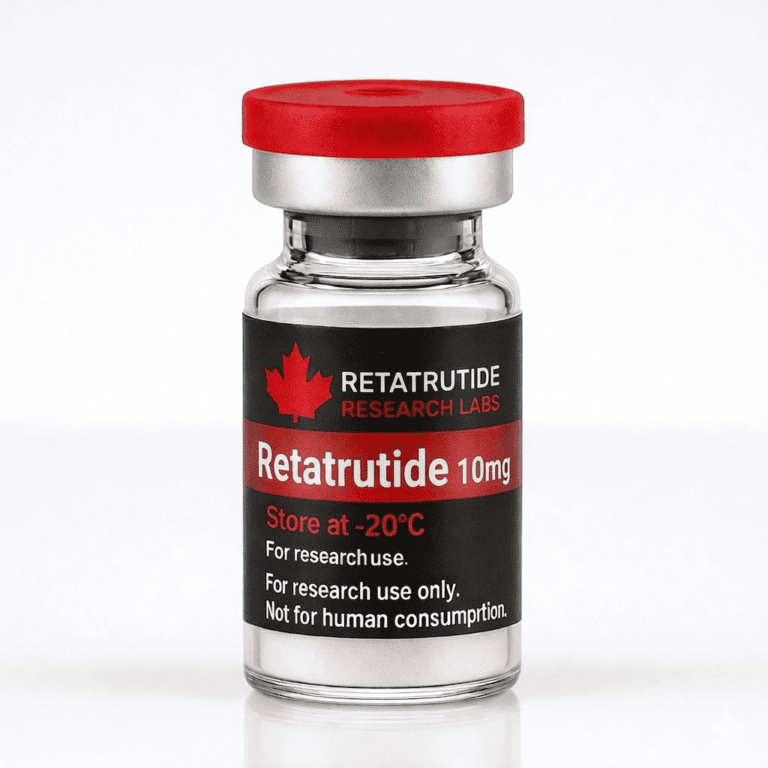 Retatrutide 10mg$89.99 CAD · research use onlyRetatrutide 20mg$149 CAD · research use onlyRetatrutide 30mg$199 CAD · research use only
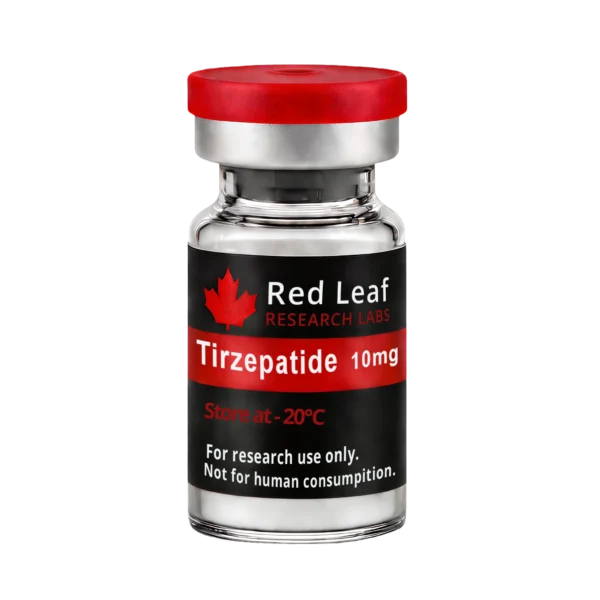 TirzepatideFrom $54 CAD · 10mg or 20mg
 Bacteriostatic Water 30mlMixing liquid for lab work
 Research Pen Add-OnLab handling accessory
Other retatrutide guides on this site
Where to get retatrutide
The full buyer’s guide for labs, with supplier checks.
Availability in Canada
Where the rules stand and what approval would take.
Retatrutide cost in Canada
Price per mg, per vial and per size, with the full math.
Side effects in the research
What the trials reported, without turning it into advice.
Retatrutide vs Ozempic
Three receptors against one, on the published numbers.
Sema vs tirze vs reta
One, two and three receptors, side by side.
Sold for lawful lab research only. Not a medicine, and not for use on people or animals.
Research and buying information only. Not medical advice. Not dosing advice. Not a recommendation for human use. Retatrutide from Red Leaf Research Labs is lab research material and is not approved by Health Canada for injection, ingestion, or any human or animal use. Prices and shipping terms change; check the live product page. Reviewed September 5, 2026 by Baba Kahn, founder of Red Leaf Research Labs.