
 Owned and operated by a cf veteran


Sulphur burps and diarrhea come up constantly in reta talk. Here is what the trials actually recorded, and what they did not.
- Diarrhea is documented
- Sulphur burps are not
- Dose rises make it worse
- Not approved anywhere
Diarrhea is a well documented retatrutide side effect. It was one of the most common findings in the trials. Sulphur burps are not a listed trial finding. They are a symptom people report online. And burps that smell of eggs have many causes. Both tend to show up while a dose is being raised. Retatrutide is not approved anywhere. And nothing here is medical advice.
- Diarrhea vs sulphur burps: the…
- Why retatrutide gets linked to…
- Retatrutide is not an approved…
- What the trial data actually s…
- Diarrhea has a lot of causes
- Sulphur burps are a symptom, n…
- The patterns people describe
- Things that may help
- When symptoms need medical care
- How to read retatrutide review…
- What to discuss with a healthc…
- The short version
- Related reading
- Common questions
Here is the short version before anything else. Retatrutide is investigational, not FDA-approved. And the only legal way to get it is a clinical trial. If you are in a study and symptoms start, call the study team.
It is a once-weekly triple hormone receptor agonist, working on GIP, GLP-1 and glucagon. In trials, gut symptoms have been among the most common retatrutide side effects.
Diarrhea vs sulphur burps: the quick answer
One of these is in the trial data. The other is not.
Diarrhea is a documented side effect. It is named in both the Phase 2 and Phase 3 reports. And gut events sit near the top of the common adverse events for retatrutide.
Sulphur burps. the rotten-egg ones. are not. They do not appear as a separate retatrutide adverse event anywhere in the public data.
That does not mean people are imagining them. It means sulphur burps are a gas symptom with a long list of possible causes: what you ate, your gut bacteria, an infection, an intolerance, or digestion running slow.
So if these symptoms turn up, report them to your study team or a doctor rather than deciding you already know the cause.
Why retatrutide gets linked to these symptoms
The diarrhea link is straightforward. Gut side effects are common across this whole family of drugs. And diarrhea shows up in the trial reports.
Sulphur burps are a looser connection. Gas builds up in the gut, some of it contains sulfur. And that is what you are smelling. Swallowed air, gut bacteria, food intolerance and infection can all do it.
Search for retatrutide side effects in public data and you will find stories about rotten-egg burps, urgent diarrhea, bloating, nausea and cramps. Those stories may all be true. They are still not trial data. And they do not prove retatrutide was the only thing going on.
Mechanically, GLP-1 activity slows your stomach emptying and changes how your gut moves. Reviews of GLP-1 peptide side effects describe nausea, vomiting and diarrhea as the consequences of exactly that. Retatrutide is a triple agonist rather than a plain GLP-1 drug. But its side effect pattern has looked broadly like the rest of the incretin-based therapies – see the JCI review of GLP-1 effects on the gut.
Retatrutide is not an approved medicine
Before you go looking for ways to manage symptoms, be clear about what you are dealing with.
Retatrutide has not been approved by the FDA or any other regulator. It should not be used outside a real clinical trial. Anything sold as retatrutide outside a regulated study has unknown purity, unknown dose and unknown safety.
The FDA has issued a warning about unapproved GLP-1 products sold online, including products containing retatrutide that are marketed with labels like “for research purposes” or “not for human consumption”. while quite clearly being sold to people who intend to use them. Read the FDA warning on unapproved GLP-1 drugs if you want the details.
This is why retatrutide reviews need a filter. Someone reporting symptoms inside a regulated trial and someone posting about a vial they bought online are not describing the same thing. With an investigational drug, where it came from matters as much as what happened.
What the trial data actually says
One theme, repeated. Gut symptoms are the common ones, and there is a dose link.
The Phase 2 obesity trial in the New England Journal of Medicine found the most common adverse events were gut-related, mostly mild to moderate. And more frequent at higher doses. Starting at a lower dose reduced them. That is the NEJM Phase 2 retatrutide trial.
The Phase 3 topline release listed nausea, diarrhea, constipation, vomiting and upper airway infection among the most common adverse events. Diarrhea specifically: 25.2% at 4 mg, 34.1% at 9 mg, 32.0% at 12 mg. On placebo, 13.5%.
So roughly a third of people at the higher doses. Not everyone, and not nobody.
What those numbers do not tell you is who gets sulphur burps. Because nobody counted.
Diarrhea has a lot of causes
Viral infection. Bacterial infection. Food poisoning. Other medicines. Food intolerance. IBS. IBD. Recent travel. And plenty more.
The Cleveland Clinic’s point is worth holding on to: dehydration is the biggest danger. Because you lose water and salts with every loose stool. Their page on the causes of diarrhea covers it.
“I took retatrutide and then I had diarrhea” is a clue. It is not a diagnosis.
Timing counts for something. But so do meal size, fat, alcohol, sugar alcohols, infection, antibiotics, magnesium, metformin, your gallbladder and any bowel problem you already had. A clinician will want to know when it started, how often. And whether there is fever or blood.
Sulphur burps are a symptom, not a diagnosis
A sulphur burp is a burp that smells like rotten eggs. That smell is sulfur gas.
NIDDK explains belching as gas leaving your stomach through your mouth. And gas symptoms as what happens when bacteria break down carbohydrates you did not digest. The smell comes from sulfur in that gas. see NIDDK on gas in the digestive tract.
On an incretin drug, some people do notice more belching, more fullness, more nausea, more reflux. Digestion feels slower because it is slower.
But sulphur burps also come with food intolerance, infection, small intestinal bacterial overgrowth, constipation and gastroparesis. NIDDK notes SIBO can cause extra gas along with diarrhea and weight loss. which is a combination that looks a lot like a drug side effect. And is not one.
The patterns people describe
These symptoms rarely arrive alone. People describe them in clusters.
One common shape: a heavy meal, rotten-egg burps overnight, cramps in the morning, then several loose stools. Another: nausea and burping after a dose goes up, then diarrhea after something rich or large.
Patterns are not proof of cause. They are useful anyway. Because they let you explain what happened instead of just saying you felt terrible.
If you are in a trial, the team will ask about timing, severity, what you ate, missed doses, other medicines. And how much it interfered with your day.
A short log covers most of it:
- Date and time symptoms started
- Date of the last injection or dose change
- Number of loose stools in 24 hours
- Any vomiting, fever, blood, black stool or bad pain
- What you ate the day before, especially rich, fried, large, spicy or sugary meals
- Alcohol, soda, sugar alcohols
- Other medicines or supplements that week
- Hydration, dizziness, urinating less, weakness
Things that may help
If the symptoms are mild and you are under real medical care, a few simple changes may take the pressure off. None of this is medical advice. And anyone in a trial follows the trial plan first.
Smaller, simpler meals
Big meals are hard work for a gut that is emptying slowly. Smaller ones mean less fullness, less burping, less nausea, less urgency.
During a bad stretch, something plain works best. lean protein, a bland starch, a cooked vegetable. Rich, greasy, heavily sauced and very sweet food all tend to make nausea, reflux and diarrhea worse.
If one food seems to set it off, drop it for now and try it again when things have settled. There is a fuller list in our guide on what to eat on reta.
Fluids and salts
Diarrhea takes both. Cleveland Clinic’s position is that fluid is the most important treatment. And that when plain water is not enough, you want something with electrolytes in it. an oral rehydration solution, or broth.
Sip steadily rather than gulping.
Vomiting, dizziness, not keeping fluids down, or urinating far less than usual all move this from “manage at home” to “get seen”. Dehydration gets serious quickly with kidney disease, diabetes, heart disease, older age, or any medicine that affects fluid balance.
Cut the gas triggers for a while
Gas rises when undigested carbohydrate reaches your large bowel and bacteria go to work on it. Swallowed air does the rest.
While things settle, it may help to limit:
- Fizzy drinks
- Eating fast
- Chewing gum or sucking hard sweets
- Large amounts of beans, onions, cabbage and other gas-forming foods
- Sugar alcohols – sorbitol, xylitol, maltitol, erythritol
- Big servings of dairy, if lactose is an issue for you
- Alcohol, greasy food and rich desserts
None of that makes these foods bad. Your gut just needs an easier setup for a bit.
Skip the internet fixes
Forums will suggest digestive enzymes, betaine HCl, charcoal, antibiotics, laxatives, anti-diarrhea drugs, fasting, or a strict low-sulfur diet.
Some of those help some people. Others make reflux, constipation, drug absorption or dehydration worse. And stacking unapproved products on top of an unverified source is how a manageable problem becomes a real one.
If you want an over-the-counter option for diarrhea, nausea, reflux or gas, ask a clinician or the trial team first. That goes double with fever, blood in stool, severe pain, a suspected infection, pregnancy, kidney or liver disease, heart disease, or a long medication list.
When symptoms need medical care
Mild upset usually passes. Some things should not be waited out.
NIDDK’s guidance is that gas symptoms which change suddenly, or come with pain, diarrhea, constipation or weight loss, need checking. Cleveland Clinic says the same about diarrhea that is severe, long-running or keeps returning.
Get help promptly for:
- Frequent or worsening diarrhea, or diarrhea lasting more than a couple of days
- Signs of dehydration – dizziness, faintness, dry mouth, fast heart rate, barely urinating
- Severe or lasting abdominal pain
- Repeated vomiting, or not being able to keep fluids down
- Fever, bloody stool, black stool, or mucus alongside severe symptoms
- Yellow skin or eyes
- Severe weakness, confusion, or chest pain
- Any symptoms after using something sold online as retatrutide
- Anything worrying at all, if you are in a clinical trial
Trial teams need to hear about side effects even when they seem minor. That is what the reporting is for.
How to read retatrutide reviews without being misled
Reviews are useful for one thing: seeing what people are worried about. They are useless for dosing, diagnosis or treatment.
Look at what a typical review leaves out. Where the product came from. What was actually in it. The dose. How fast it was raised. Other medicines. Medical history. Diet. Alcohol. Whether they had a stomach bug that week.
Without any of that, a dramatic story can be completely honest and still tell you nothing.
What is worth noting is repetition. Nausea, diarrhea, constipation, vomiting, belching, fullness and reflux come up again and again. And they match the trial reports. That is signal.
What is not worth much: guaranteed prevention, secret schedules, exact home remedies.
Five questions to put to any review:
- Were they in a regulated trial? If not, you do not know the product was retatrutide.
- Did they give dose and timing? Symptoms after a dose increase are a different thing from symptoms months into a steady dose.
- Did they rule anything else out? Infection, food poisoning, alcohol, supplements and other medicines all look like drug side effects.
- Did they see a doctor? A diagnosis beats a guess.
- Are they selling something? Affiliate links and protocol sellers have a conflict. And it is a safety one.
The FDA warning matters here too. Products sold online may contain the wrong ingredient, too much of it, too little, or contaminants nobody looked for.
What to discuss with a healthcare professional
The aim is not just to stop the symptom. It is to find out whether this is mild and diet-related, an infection, another digestive problem, or something that needs care to change.
Bring a short summary rather than a vague one. Something like: “Symptoms started 24 hours after my last dose increase. Sulphur burps overnight, four loose stools this morning, no fever, no blood, mild cramping, keeping fluids down.”
That is usable. “I have been feeling awful” is not.
Questions worth asking:
- Could this fit known retatrutide or incretin effects?
- Do I need testing for infection, food intolerance, SIBO, gallbladder problems or something else?
- What fluid plan suits me?
- Are any of my other medicines or supplements adding to the diarrhea risk?
- Should I change meal size, fat intake or meal timing?
- Are any over-the-counter options safe in my case?
- If I am in a trial, what needs reporting fast?
Do not stop or change a retatrutide dose outside the study plan. And do not start on something bought online, or change a dose. Because a forum told you to.
The short version
- Retatrutide is investigational and not FDA-approved. Legal access is through regulated trials, not peptide shops.
- Diarrhea is in the trial data. around a third of people at the higher doses, against 13.5% on placebo.
- Sulphur burps are not in the trial data at all. They are a gas symptom with many causes.
- Slower digestion explains a lot of it. And slower digestion is the drug working.
- Fluids and salts are the thing that actually matters. Because dehydration is the real risk.
- Severe, lasting or unusual symptoms need a doctor, not a forum.
- Reviews tell you what people worry about. They do not tell you what was in the vial.
Take the symptoms seriously, write down the details, stay away from unchecked products. And bring a professional in early when it is more than mild. The full Phase 2 paper is available if you want the primary source.
Related reading
- Reta and appetite suppression: what retatrutide research shows
- What is retatrutide made from?
- Comparison of semaglutide, tirzepatide, and retatrutide
Common questions
Is diarrhea a documented retatrutide side effect?
Yes. Gut symptoms sit among the most common adverse events in the public trial reports. And diarrhea is named in both Phase 2 and Phase 3 data. It can also come from infection, food intolerance, other medicines, supplements, alcohol or an existing digestive problem. so timing alone does not settle the cause.
Are sulphur burps proven to be caused by retatrutide?
No, not from the public trial summaries. They are better understood as a gas symptom that happens when sulfur gases build up in the gut. Retatrutide can slow digestion and change fullness and nausea. But food triggers, gut bacteria, infection, intolerance, SIBO, constipation and gastroparesis all cause the same thing.
What should someone do if sulphur burps and diarrhea happen during a retatrutide clinical trial?
Call the study team and follow the trial plan. Bring a log: last dose or dose change, when it started, how many loose stools, what you ate, hydration, fever, vomiting, pain, blood or black stool. And any other medicines. Trial teams need adverse-event reports even when the symptoms feel manageable.
When do these symptoms need prompt medical care?
When diarrhea is frequent, worsening, lasting more than a couple of days or coming back. or when it arrives with dehydration, severe abdominal pain, repeated vomiting, fever, blood, black stool, yellow skin or eyes, severe weakness, confusion, chest pain, or an inability to keep fluids down. Symptoms after using something bought online also need prompt care. Because nobody knows what was in it.
Why is buying retatrutide online especially risky?
Because it is investigational and not FDA-approved. So the legal route is a regulated trial. Products sold online carry “research purposes” or “not for human consumption” labels. And the FDA has warned that they may be poor quality and possibly harmful. wrong ingredient, wrong amount, or contaminants.
What causes sulphur burps?
Burps that smell of eggs come from sulphur gas made when food sits and breaks down. Slow stomach emptying, high sulphur foods and gut bacteria can all do it.
Does retatrutide cause sulphur burps?
No trial lists them. GLP-1 drugs slow the stomach. And slow emptying is a known cause of that kind of burp. So it is plausible. But it is not proven.
How long do reta gut side effects last?
In the trials most gut effects showed up while the dose was going up, then eased. There is no figure that fits every person.
Is diarrhea from retatrutide dangerous?
It can be if it does not stop. Long diarrhea dries you out and knocks your salts off balance. That needs a doctor, not a forum.
Do sulphur burps mean something is wrong?
Not by themselves. They are a symptom, not a diagnosis. If they come with pain, fever, blood or weight loss, get checked.
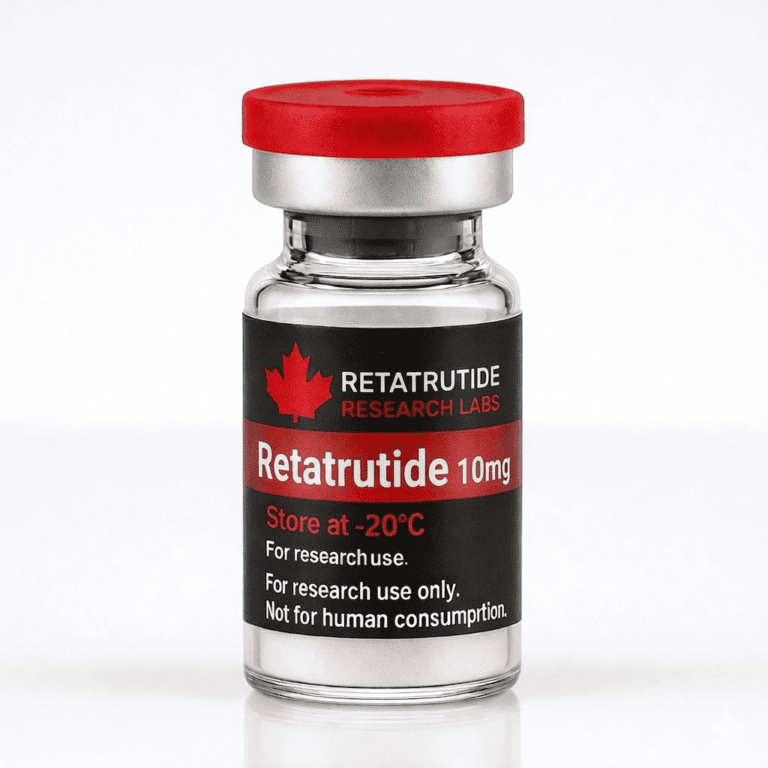 Retatrutide 10mg$89.99 CAD · research use onlyRetatrutide 20mg$149 CAD · research use onlyRetatrutide 30mg$199 CAD · research use only
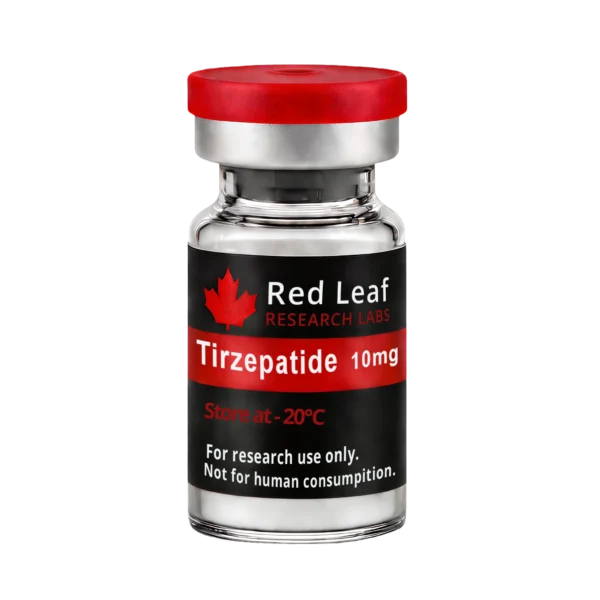 TirzepatideFrom $54 CAD · 10mg or 20mg
 Bacteriostatic Water 30mlMixing liquid for lab work
 Research Pen Add-OnLab handling accessory
Other retatrutide guides on this site
Where to get retatrutide
The full buyer’s guide for labs, with supplier checks.
Availability in Canada
Where the rules stand and what approval would take.
Retatrutide cost in Canada
Price per mg, per vial and per size, with the full math.
Side effects in the research
What the trials reported, without turning it into advice.
Retatrutide vs Ozempic
Three receptors against one, on the published numbers.
Sema vs tirze vs reta
One, two and three receptors, side by side.
Sold for lawful lab research only. Not a medicine, and not for use on people or animals.
Research and buying information only. Not medical advice. Not dosing advice. Not a recommendation for human use. Retatrutide from Red Leaf Research Labs is lab research material and is not approved by Health Canada for injection, ingestion, or any human or animal use. Prices and shipping terms change; check the live product page. Reviewed September 5, 2026 by Baba Kahn, founder of Red Leaf Research Labs.