
 Owned and operated by a cf veteran

What AOD-9604 is, the fragment it comes from, and what the fat-metabolism research found.
- HGH fragment 176-191
- Lipolysis research
- Human trials disappointed
- Research use only
AOD-9604 is a fragment of human growth hormone, engineered to keep the fat-metabolism signalling without the growth effects. The animal work looked promising and the human trials largely did not replicate it, which is the part that rarely makes it into the marketing.
AOD-9604 Canada research overview
AOD-9604 Canada research discussions focus on laboratory studies of fat-metabolism, lipolysis and body-composition pathways. This guide summarizes the proposed mechanism and published research context for qualified research use only.
What Is AOD-9604?
AOD-9604 is a synthetic peptide derived from the C-terminal region of human growth hormone (hGH), specifically the modified HGH fragment 176–191. Researchers developed AOD-9604 to isolate the fat-metabolism effects of growth hormone without activating many of the pathways responsible for growth-related effects.
Unlike full growth hormone, AOD-9604 was designed to focus on lipid metabolism and adipose tissue activity. This unique mechanism made it a major subject of obesity and body-composition research during the early 2000s.
Today, AOD-9604 remains a well-known research peptide in studies involving fat metabolism, energy expenditure, and metabolic regulation.
How Does AOD-9604 Work?
Researchers believe AOD-9604 affects fat metabolism through several pathways.
1. Supports Lipolysis
Lipolysis is the process by which stored triglycerides are broken down into fatty acids and glycerol.
Preclinical studies found that AOD-9604 increased fat breakdown and enhanced lipolytic activity in adipose tissue. Researchers observed reductions in body fat and increased fat oxidation in animal models.
2. May Reduce Lipogenesis
Lipogenesis is the body’s process of storing excess energy as fat.
Research suggests AOD-9604 may help reduce the formation of new fat stores while simultaneously supporting fat mobilization. This dual action generated significant interest among obesity researchers.
3. β3-Adrenergic Receptor Activity
One of the most studied mechanisms involves the β3-adrenergic receptor pathway.
Animal studies demonstrated that AOD-9604 increased expression of β3-adrenergic receptors, which play a major role in fat breakdown and energy expenditure. Researchers observed diminished effects when these receptors were absent, suggesting they are critical to AOD-9604’s activity.
4. Fat Oxidation and Energy Expenditure
Researchers have also observed increases in fat oxidation and energy utilization in experimental models.
These findings helped establish AOD-9604 as a peptide of interest for body composition research and metabolic investigations.
Why Was AOD-9604 Developed?
Traditional growth hormone can influence:
- IGF-1 production
- Cellular growth pathways
- Glucose metabolism
- Insulin sensitivity
Researchers sought a compound that could isolate growth hormone’s fat-metabolism effects while avoiding many of these broader biological actions.
AOD-9604 was specifically engineered to target the lipolytic portion of the growth hormone molecule. Early studies suggested it retained fat-metabolism activity without significantly increasing IGF-1 levels.
Potential Areas of Research
Body Composition Research
AOD-9604 became best known for studies involving body fat and weight management.
Researchers investigated whether targeted stimulation of fat metabolism could improve body composition without the broader effects associated with growth hormone therapy.
Obesity Research
Several clinical and preclinical studies evaluated AOD-9604 as a potential obesity treatment.
While early findings showed encouraging effects on fat metabolism, larger clinical studies produced mixed efficacy results, ultimately limiting its development as a pharmaceutical obesity therapy.
Metabolic Health Research
Researchers continue to explore how fat metabolism influences overall metabolic function.
Areas of interest include:
- Energy expenditure
- Adipose tissue biology
- Fat oxidation
- Metabolic flexibility
- Weight regulation mechanisms
AOD-9604 remains a useful compound for studying these pathways.
Exercise and Recovery Research
Because fat oxidation contributes to energy utilization during physical activity, researchers have also explored AOD-9604 in studies involving:
- Exercise performance
- Energy metabolism
- Recovery pathways
- Body composition changes
These investigations remain ongoing areas of interest.
What Makes AOD-9604 Different?
AOD-9604 differs from many peptide compounds because it was designed specifically to target fat metabolism rather than muscle growth or hormone production.
Researchers have reported that AOD-9604:
- Does not function as full growth hormone
- Does not significantly stimulate IGF-1 production
- Primarily targets adipose tissue pathways
- Focuses on lipolytic activity rather than anabolic activity
These characteristics helped distinguish it from traditional growth hormone therapies.
What Have Studies Found?
Preclinical research demonstrated:
- Increased lipolysis
- Enhanced fat oxidation
- Reduced body fat accumulation
- Increased β3-adrenergic receptor activity
However, while some human studies reported modest reductions in body weight and body fat, later clinical trials did not consistently achieve the efficacy needed for commercial approval. As a result, pharmaceutical development was discontinued.
Despite this outcome, AOD-9604 remains an important research peptide because of the insights it provided into fat metabolism and adipose tissue biology.
Frequently Asked Questions
What is AOD-9604?
AOD-9604 is a synthetic peptide derived from a modified fragment of human growth hormone that is primarily studied for fat metabolism and body composition research.
How does AOD-9604 work?
Research suggests AOD-9604 promotes lipolysis, supports fat oxidation, and interacts with β3-adrenergic receptor pathways involved in adipose tissue metabolism.
Is AOD-9604 the same as growth hormone?
No. AOD-9604 is a modified growth hormone fragment designed to target fat metabolism without acting as full growth hormone.
Why are researchers interested in AOD-9604?
Scientists continue to study AOD-9604 because it provides insight into fat metabolism, adipose tissue regulation, energy expenditure, and body composition pathways.
Conclusion
AOD-9604 is one of the most recognized peptides in fat-metabolism research. Developed from a modified fragment of human growth hormone, it was specifically designed to investigate lipolysis, fat oxidation, and body composition without the broader biological effects associated with growth hormone therapy.
Although clinical development as an obesity treatment was eventually discontinued, AOD-9604 remains a valuable research compound for studying adipose tissue biology, metabolic regulation, and the mechanisms that govern energy balance. Its unique focus on fat metabolism continues to make it a topic of interest within peptide and metabolic science.
References
- Heffernan M, Summers RJ, Thorburn A, et al. The Effects of Human GH and Its Lipolytic Fragment (AOD9604) on Lipid Metabolism Following Chronic Treatment in Obese Mice.
- Research on β3-adrenergic receptor-mediated fat metabolism and AOD9604.
- AOD9604 development and clinical outcomes.
- Research reviews examining fat oxidation and adipose tissue pathways.
- Studies investigating growth hormone fragments and metabolic regulation.
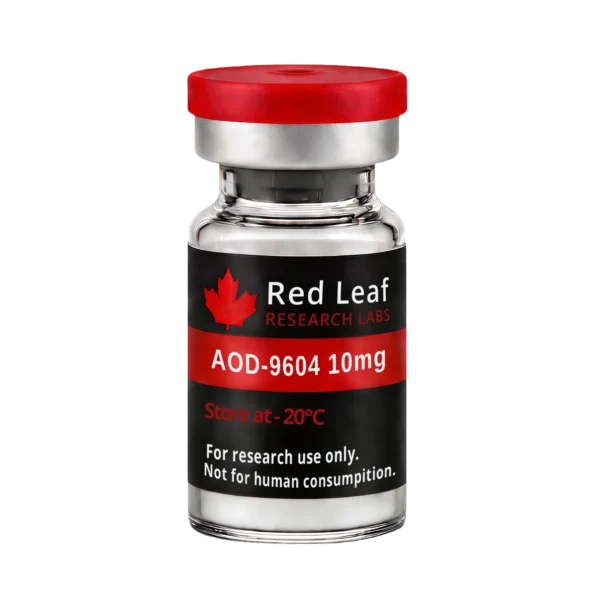 AOD-9604 10mg$80 CAD · research use only
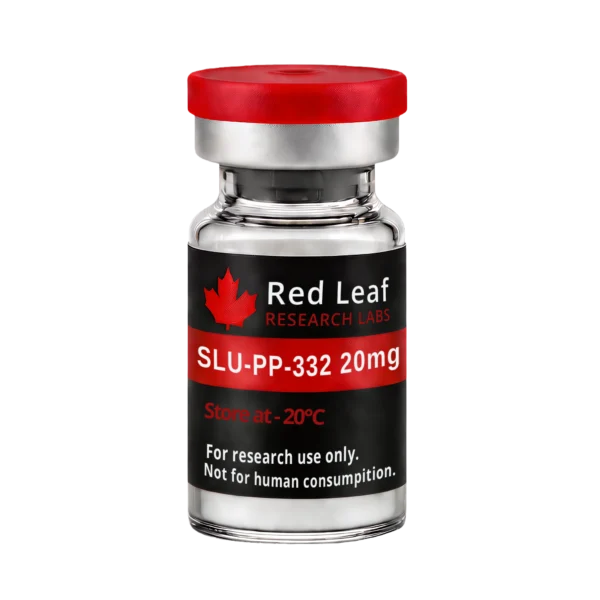 SLU-PP-332From $49.99 CAD · research use only
 5-AMINO-1MQ 50mg$130 CAD · research use only
 MOTS-c Peptide 40mg$119 CAD · research use only
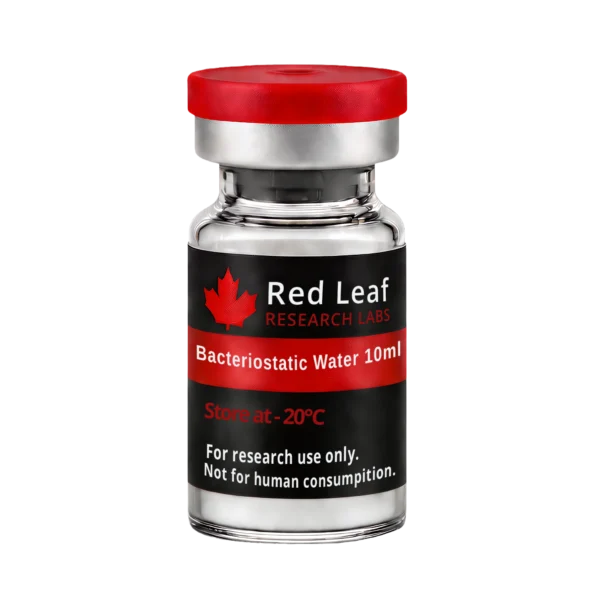 Bacteriostatic Water$10 CAD · research use only
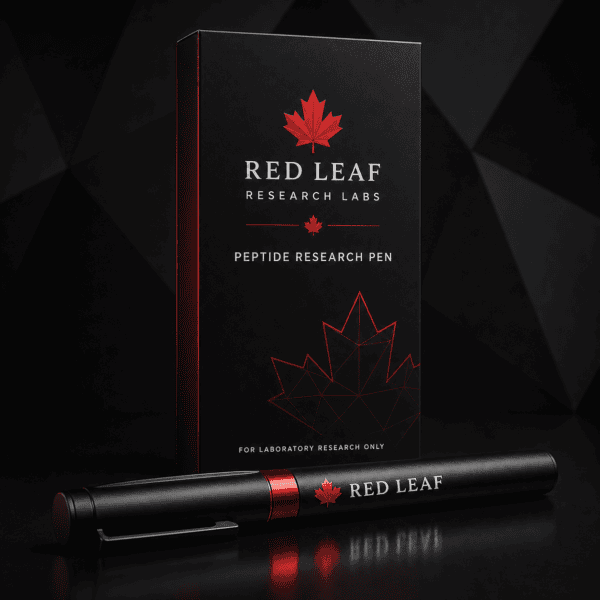 Peptide Pens Canada – Red Leaf Research Pen Add-On$99 CAD · research use only
Every product page carries its batch lab report with a verification link you can check at the testing laboratory, not just a PDF we host.
Research use only. Products sold by Red Leaf Research Labs are not approved by Health Canada for cosmetic application, therapeutic treatment, injection, ingestion, or any form of human or animal use. No claims are made regarding clinical outcomes, safety or efficacy. Pricing and stock are current at the time of publication and subject to change.