Owned and operated by Baba Kahn, a CF veteran


What kisspeptin does upstream of the reproductive hormone axis, and what research has looked at.
- Upstream of GnRH
- Reproductive signalling
- Human research exists
- Research use only
Kisspeptin sits upstream of the entire reproductive hormone cascade — it signals GnRH release, which drives everything downstream of it. That position is what makes it interesting to researchers. It is not approved in Canada and is supplied here as research material.
Kisspeptin is a naturally occurring peptide best known for its role in reproductive hormone signaling. In research, it is mainly studied for how it helps activate the hypothalamic-pituitary-gonadal axis, also called the HPG axis.
Put simply, Kisspeptin helps signal the brain to release GnRH, which then supports the release of LH and FSH. These hormones are closely linked to puberty, fertility, testosterone, estrogen, ovulation, and reproductive function.
What Is Kisspeptin?
Kisspeptin is a peptide made from the KISS1 gene. It works by binding to the KISS1 receptor, also known as KISS1R or GPR54.
Researchers consider Kisspeptin one of the most important signals involved in reproductive hormone control. Studies show that it acts upstream of GnRH and plays a major role in the timing of puberty and reproductive function.
How Kisspeptin Works
Kisspeptin stimulates GnRH neurons in the brain. GnRH then signals the pituitary gland to release:
LH — luteinizing hormone
FSH — follicle-stimulating hormone
These hormones are important in both male and female reproductive systems. Research has shown that Kisspeptin can strongly stimulate LH release in humans.
Why Researchers Study Kisspeptin
Kisspeptin is studied for its possible role in:
Reproductive hormone signaling
Puberty research
Fertility-related studies
Ovulation research
LH and FSH release
Testosterone and estrogen pathway studies
Hypothalamic amenorrhea research
Hypogonadotropic hypogonadism research
Clinical research has also looked at Kisspeptin administration in reproductive disorders, including studies involving hypothalamic amenorrhea and hormone stimulation.
Kisspeptin and Fertility Research
One major area of Kisspeptin research is fertility. Because Kisspeptin helps regulate GnRH, LH, and FSH, it is closely connected to ovulation and reproductive hormone cycles.
Reviews suggest that Kisspeptin signaling may influence follicle development, oocyte maturation, and ovulation.
Kisspeptin and Puberty
Kisspeptin is also heavily studied for its role in puberty. Research shows that changes in Kisspeptin signaling can affect pubertal development, and mutations in the Kisspeptin pathway have been linked to failure of pubertal progression.
Is Kisspeptin for Human Use?
Kisspeptin sold as a research peptide should be treated as Research Use Only (RUO).
It is not for human consumption, not a dietary supplement, and not intended to diagnose, treat, cure, or prevent any disease.
View Kisspeptin 10mg product details, testing information, and current research-use availability.
References
- NCBI Bookshelf — Physiology of GnRH and Gonadotrophin Secretion
- Frontiers in Endocrinology — Role of Kisspeptin in HPG Axis Regulation
- PMC — Kisspeptin-GnRH Pathway in Human Reproductive Health
- ClinicalTrials.gov — Kisspeptin Administration in Adults
- NEJM — KISS1 Mutation and Hypogonadotropic Hypogonadism
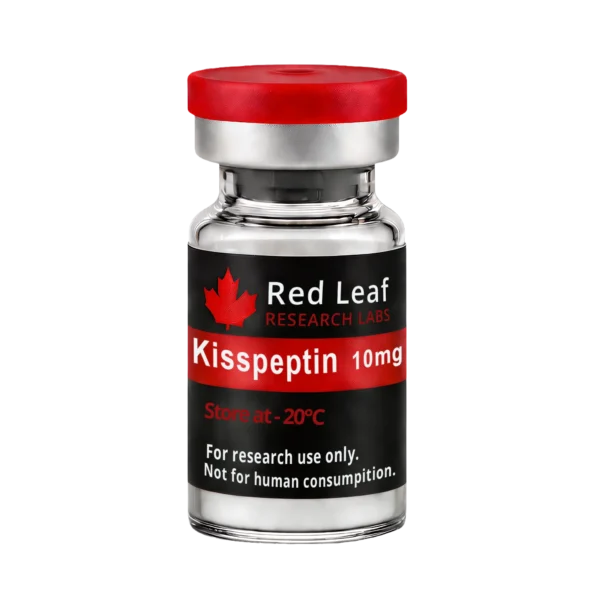 Kisspeptin 10mg$84.99 CAD · research use only
 HCGFrom $65 CAD · research use only
 Oxytocin Acetate 5mg$40 CAD · research use only
 PT-141 20mg$110 CAD · research use only
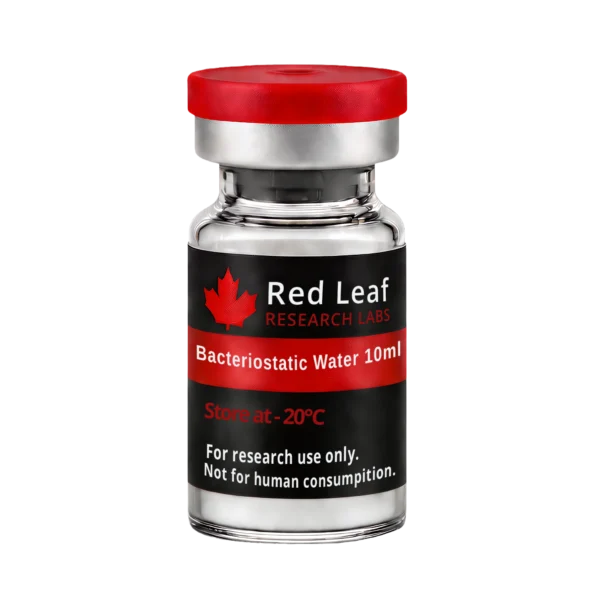 Bacteriostatic Water$10 CAD · research use only
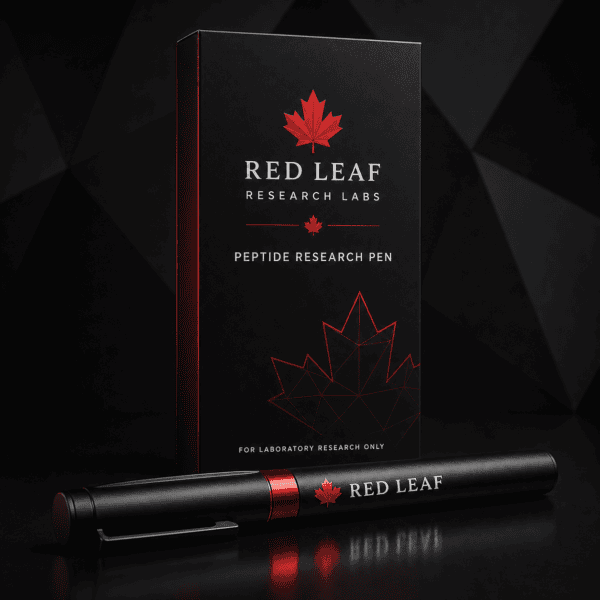 Peptide Pens Canada – Red Leaf Research Pen Add-On$99 CAD · research use only
Every product page carries its batch lab report with a verification link you can check at the testing laboratory, not just a PDF we host.
Research use only. Products sold by Red Leaf Research Labs are not approved by Health Canada for cosmetic application, therapeutic treatment, injection, ingestion, or any form of human or animal use. No claims are made regarding clinical outcomes, safety or efficacy. Pricing and stock are current at the time of publication and subject to change.