Owned and operated by a cf veteran


What vasoactive intestinal peptide is and what the research covers.
- Signalling peptide
- Immune and vascular research
- Not approved in Canada
- Research use only
VIP is a naturally occurring signalling peptide involved in vascular, immune and neurological pathways. Research interest covers inflammation and immune regulation. It is not approved in Canada and is supplied here for laboratory research.
What Is VIP Peptide?
VIP, short for Vasoactive Intestinal Peptide, is a naturally occurring neuropeptide found throughout the body. It was first discovered in the digestive tract but is now known to play important roles in the nervous system, immune system, lungs, and gastrointestinal tract.
Researchers have studied VIP for decades because of its wide-ranging effects on cellular communication and regulation.
VIP is involved in:
- Immune system regulation
- Inflammatory responses
- Gut function
- Respiratory health
- Blood vessel relaxation
- Nervous system signaling
Because of these functions, VIP remains an important area of research in immunology, gastroenterology, and respiratory science.
How Does VIP Work?
VIP acts by binding to specialized receptors known as VPAC1 and VPAC2 receptors found throughout the body.
When activated, these receptors help regulate numerous biological processes, including:
- Cellular signaling
- Cytokine production
- Immune responses
- Smooth muscle relaxation
- Blood flow regulation
Researchers often describe VIP as a regulatory peptide because it helps maintain balance between inflammatory and anti-inflammatory processes.
Potential Benefits of VIP Peptide
1. May Support Healthy Inflammatory Responses
One of the most studied properties of VIP is its ability to regulate inflammation.
Research suggests that VIP influences immune cells and may help control the production of inflammatory cytokines. Scientists continue to investigate its role in maintaining balanced immune responses.
Potential research findings include:
- Modulation of inflammatory signaling
- Regulation of immune cell activity
- Support for healthy tissue responses
- Promotion of immune system balance
2. May Support Respiratory Function
VIP is naturally present in lung tissue and airways.
Researchers have observed that VIP may help relax airway smooth muscle and support normal respiratory function. This has led to ongoing interest in its potential role in respiratory research.
Studies have examined VIP’s effects on:
- Airway function
- Lung tissue signaling
- Respiratory inflammation
- Bronchial smooth muscle regulation
3. May Promote Gut Health
VIP was originally identified in the intestinal tract, where it helps regulate digestive processes.
Research indicates that VIP may contribute to:
- Intestinal motility
- Digestive signaling
- Gut barrier function
- Gastrointestinal homeostasis
Scientists continue exploring how VIP supports communication between the nervous system and digestive tract.
4. May Support Immune System Regulation
VIP appears to play an important role in maintaining immune balance.
Studies suggest that VIP can influence the activity of:
- T cells
- Dendritic cells
- Macrophages
- Regulatory immune pathways
This has made VIP an important target for research into autoimmune and inflammatory conditions.
5. May Support Nervous System Function
VIP functions as both a neuropeptide and neurotransmitter.
Researchers have found VIP throughout the central and peripheral nervous systems, where it participates in communication between nerve cells.
Areas of ongoing research include:
- Neuroprotection
- Cellular signaling
- Circadian rhythm regulation
- Brain-immune system interactions
VIP and Immune Health
The immune system requires a careful balance between activation and regulation.
VIP has demonstrated the ability to influence numerous immune pathways that help maintain this balance. Researchers believe this regulatory activity may be one reason VIP continues to attract significant scientific interest.
Studies have shown that VIP can affect cytokine production and immune cell behavior in both laboratory and animal models.
VIP and Gut-Brain Communication
The gut and brain communicate through a complex network often called the gut-brain axis.
VIP appears to be one of the signaling molecules involved in this communication process. Researchers are investigating how VIP contributes to:
- Digestive function
- Nervous system signaling
- Immune regulation
- Gastrointestinal homeostasis
This connection highlights VIP’s broad role throughout the body.
Is VIP Approved for Human Use?
VIP remains an active area of scientific investigation.
While researchers continue to study its biological effects, additional clinical research is needed to better understand its long-term safety, effectiveness, and potential applications.
Current evidence includes laboratory, animal, and limited human studies across multiple areas of medical research.
Key Takeaways
VIP (Vasoactive Intestinal Peptide) is a naturally occurring peptide involved in numerous biological processes.
Research suggests VIP may:
- Support healthy inflammatory responses
- Help regulate immune function
- Promote respiratory health
- Support digestive function
- Influence nervous system signaling
- Contribute to gut-brain communication
As research continues, VIP remains one of the most important regulatory peptides being studied in immunology, respiratory science, and gastrointestinal health.
References
- Delgado M, Ganea D. Vasoactive Intestinal Peptide: A Neuropeptide with Pleiotropic Immune Functions. American Journal of Physiology. Immunology and Cell Biology.
- Abad C, Tan YV. VIP and PACAP as Regulators of Immunity and Inflammation. Annals of the New York Academy of Sciences.
- Gonzalez-Rey E, Chorny A, Delgado M. Therapeutic Action of VIP in Inflammatory and Autoimmune Diseases. Current Pharmaceutical Design.
- Delgado M, Pozo D, Ganea D. The Significance of VIP in Immunomodulation. Pharmacological Reviews.
- Gozes I, Furman S. VIP and Neuroprotection: Mechanisms and Applications. Current Pharmaceutical Design.
- Said SI. Vasoactive Intestinal Peptide in the Lung. Annals of the New York Academy of Sciences.
Integrating Peptides into Recovery Regimens
While peptides offer remarkable restorative benefits, they are not a substitute for the foundational pillars of health. To maximize their efficacy, peptide therapy should be integrated into a comprehensive recovery regimen.
Foundational Synergy: Peptides act as a catalyst, but the body still requires raw materials to rebuild. A protocol must be supported by adequate protein intake, optimal hydration, and a disciplined sleep schedule. For instance, growth hormone secretagogues are most effective when administered prior to bedtime, capitalizing on the body’s natural overnight restorative rhythms.
Strategic Cycling: Peptide use must be highly strategic. Depending on the compound, therapies are typically run in specific cycles (e.g., 8 to 12 weeks) to prevent receptor desensitization and allow the body to maintain its natural homeostasis.
Clinical Guidance and Sourcing: Because the direct-to-consumer peptide market is fraught with unregulated, under-dosed, or contaminated products, sourcing is critical. Peptides must be obtained from verified compounding pharmacies. Furthermore, integrating these compounds requires the oversight of a qualified healthcare provider who can prescribe the correct dosages, monitor blood panels, and tailor the protocol to an individual’s specific metabolic and recovery needs.
Disclaimer: The information provided above is for educational and informational purposes only and does not constitute medical advice. The FDA heavily regulates peptide therapies, and compounds like BPC-157 and TB-500 are not currently approved for standard human medical use. Always consult with a licensed healthcare professional before beginning any new therapeutic regimen.
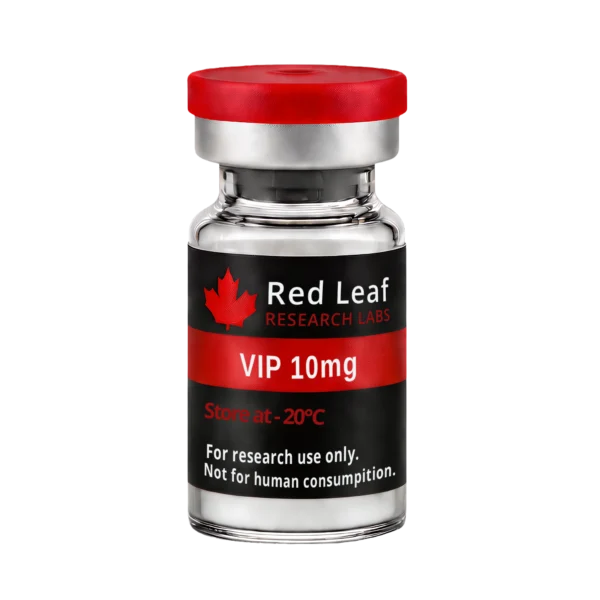 VIP 10mg$120 CAD · research use only
 ARA-290 10mg$80 CAD · research use only
 LL-37 10mg$55 CAD · research use only
 Thymosin Alpha-1 (10mg)$88 CAD · research use only
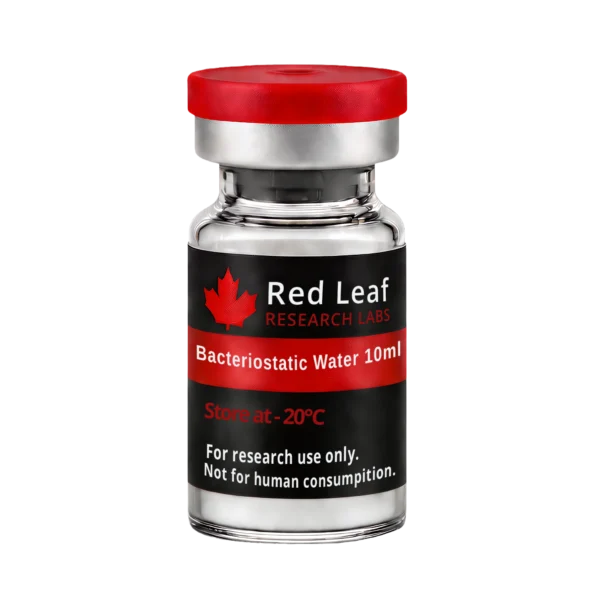 Bacteriostatic Water$10 CAD · research use only
 Peptide Pens Canada – Red Leaf Research Pen Add-On$99 CAD · research use only
Every product page carries its batch lab report with a verification link you can check at the testing laboratory, not just a PDF we host.
Research use only. Products sold by Red Leaf Research Labs are not approved by Health Canada for cosmetic application, therapeutic treatment, injection, ingestion, or any form of human or animal use. No claims are made regarding clinical outcomes, safety or efficacy. Pricing and stock are current at the time of publication and subject to change.