
What Are Peptides? A Beginner’s Guide to Peptide Therapy
What are peptides? Peptides are gaining attention in health and wellness circles. These small chains of amino acids play vital roles in our bodies and help clarify: what do peptides do in daily physiology, including how peptide therapy may be considered for specific goals.
Peptide therapy is a growing field, offering targeted treatments for various health issues. It involves using specific peptides to achieve desired outcomes as part of a personalized peptide therapy treatment plan.
From anti-aging to muscle growth, peptide injections (often called peptide shots) have diverse applications. They can be tailored to meet individual health goals and needs.
Safety is a key concern when considering peptide injections. The source and administration method greatly influence their safety. Many people ask, are peptide injections safe, and more generally, are peptides safe?
Athletes and bodybuilders often use peptides for performance enhancement. However, their use extends beyond sports to general health and wellness. This raises the question of who takes peptides and for which goals.
In Canada, peptides are available through licensed providers and online sources. Regulations ensure their quality and safety for consumers. When researching where to get peptides in Canada, compare licensed clinics and reputable online stores.
Understanding how peptides work can help you make informed decisions. This article will explore the science, peptide therapy benefits risks, and practical considerations to guide your choices.

What Are Peptides? The Science Explained
Peptides are essential biomolecules in the body. They consist of short chains of amino acids. Typically, they contain 2 to 50 amino acids.
Peptides are smaller versions of proteins. This compact size allows them to penetrate cells easily. Therefore, they can influence various biological processes effectively.
Peptides serve as signaling molecules in the body. They communicate between cells, tissues, and organs. This communication regulates processes like metabolism and immune response.
The body produces different peptides naturally. However, synthetic peptides can be created in laboratories. These synthetic versions are often used in therapy and research.
A deeper understanding of peptides reveals their significant roles. Some peptides enhance muscle growth, while others aid in collagen production. This diversity contributes to their wide-ranging applications.
Key Functions of Peptides:
- Hormone regulation: Peptides like insulin are key in blood sugar management.
- Immune function: Certain peptides help in fighting infections.
- Tissue repair: Peptides promote skin rejuvenation and muscle recovery.
Researchers are continually exploring new peptide applications. This ongoing research promises to extend their potential therapeutic uses. As science evolves, peptides may offer even more health benefits.

Peptide science is complex yet fascinating. Their intricate roles and versatile functions are pivotal for understanding health and disease management. Whether naturally occurring or synthetically made, peptides hold significant promise for the future of health therapies.
How Do Peptides Work in the Body?
Peptides operate by acting as messengers within the body. They transmit signals among cells to trigger specific responses. This signaling ensures that bodily functions run smoothly.
Upon entering the body, peptides bind to cell receptors. This binding activates a series of biochemical reactions. Such reactions can influence various cellular activities and processes.
Each peptide has a unique sequence of amino acids. This sequence dictates its specific function and target in the body. For example, some peptides stimulate hormone release, while others aid in wound healing.
Peptides also influence gene expression. By interacting with DNA, they can turn certain genes on or off. This capability allows them to regulate protein synthesis and cell behavior effectively.
Key Mechanisms of Peptide Action:
- Signal transduction: Peptides convey messages to cells to initiate actions.
- Receptor binding: They attach to specific receptors, activating cellular responses.
- Enzyme modulation: Some peptides modify enzyme activity, influencing metabolic pathways.

Understanding peptide dynamics is essential for appreciating their therapeutic potential. Their ability to target and influence precise biological pathways makes them invaluable in modern medicine. Peptides’ versatility in mechanisms of action underscores their prominence in health and wellness advancements.
Types of Peptides and Their Functions
Peptides are categorized based on their roles and structures. Each type has unique functions crucial for bodily processes. Understanding these can help in selecting the right peptide for therapy.
Hormonal peptides include insulin and glucagon. These regulate blood sugar levels, playing a vital role in energy balance. Such peptides are critical for metabolic functions.
Signaling peptides act as communication bridges between cells. They convey messages that control various biological responses. Growth factors and cytokines fall into this category.
Antimicrobial peptides protect the body against infections. They disrupt the membranes of bacteria, offering a line of defense. Their use is being explored in new antibacterial therapies.
Structural peptides like collagen form the framework of tissues. They maintain skin elasticity and joint integrity. Collagen peptides are popular in skincare and joint health supplements.
Common Types of Peptides:
- Hormonal: Insulin, glucagon
- Signaling: Cytokines, growth factors
- Antimicrobial: Defensins, cathelicidins
- Structural: Collagen, elastin
 by Nigel Hoare (https://unsplash.com/@dementedpixel)
Each peptide type performs specific tasks within the body. By mimicking natural peptides, therapies can harness these functions. This diversity in peptide types underscores their therapeutic potential across various medical fields.
What Is Peptide Therapy?
Peptide therapy involves using specific peptides to address health issues. These therapies can tailor treatments to individual needs and targets. The approach leverages the body’s natural processes for healing and enhancement.
Peptides used in therapy mimic those found naturally in the body. This makes them effective and generally well-tolerated by the body. Treatments can target a wide range of concerns from anti-aging to muscle growth.
Peptide therapy is versatile and can be administered in several ways. Options include injections, creams, and oral supplements. Each method has its own benefits and preferred applications.
Peptide therapy is gaining popularity among various groups. Athletes seek performance enhancement, while others focus on wellness and anti-aging. Physicians may use peptide therapy as part of a comprehensive treatment plan.
Key Features of Peptide Therapy:
- Tailored treatments
- Mimics natural processes
- Diverse administration methods
 by CDC (https://unsplash.com/@cdc)
The therapy’s ability to provide specific health benefits makes it an attractive option. As research continues to evolve, new therapeutic uses are being discovered, expanding its role in medicine and helping users weigh peptide therapy benefits and risks.
Peptide Injection Therapy: What You Need to Know
Peptide injection therapy delivers peptides directly into the bloodstream. This method ensures quick absorption and effectiveness. Injections bypass the digestive system, ensuring more peptide reaches the target. Many providers refer to these as peptide shots, or a peptide shot depending on context.
Different peptides can address various health issues. Injection therapy can be an option for anti-aging, improving athletic performance, or enhancing recovery. Each peptide type targets specific processes or pathways in the body.
It’s important to consult with a healthcare provider before beginning peptide injections. They help determine the right peptide and dosage for your needs. Professional guidance ensures safe and effective treatment.
Peptide injection therapy is generally safe but can have side effects. Common side effects include irritation at the injection site and possible allergic reactions. Monitoring is essential to ensure a positive experience.
Key Points About Peptide Injections:
- Direct bloodstream delivery
- Quick absorption
- Professional consultation required
- Potential side effects
Understanding the benefits and risks can help you make informed decisions about peptide injection therapy. Consulting experts ensures treatment aligns with your health goals and safety needs.
What Are Peptide Injections Used For?
Peptide injections serve a variety of purposes in health and wellness. They offer tailored solutions for specific health concerns. Peptides can target different areas of the body depending on the type used.
One common use is for anti-aging benefits. Certain peptides can promote collagen production, enhancing skin elasticity and reducing wrinkles. This makes them popular in cosmetic treatments.
In sports, peptides are used to boost muscle growth and improve performance. They can enhance recovery after intense physical activities, making them favored by athletes. Users often see an increase in muscle mass and strength.
Peptide injections also play a role in weight management. Some peptides can regulate metabolism, helping in weight loss and body composition improvements. These benefits make them appealing to those looking to manage their weight effectively.
Main Uses of Peptide Injections:
- Anti-aging treatments
- Athletic performance enhancement
- Muscle growth
- Weight management
 by Nigel Hoare (https://unsplash.com/@dementedpixel)
Overall, peptide injections provide versatile applications in various medical and cosmetic fields. They offer customizable solutions tailored to individual goals and conditions.
Who Takes Peptides? Common Users and Their Goals
Peptide therapy attracts a diverse group of individuals, each with unique health or performance goals. Fitness enthusiasts are a significant segment.
Athletes often seek peptides to enhance their performance and recovery. They appreciate the potential for quicker muscle repair and reduced downtime. This can lead to better training outcomes.
Individuals interested in anti-aging also turn to peptides. They wish to improve their skin’s appearance and maintain youthful vitality. Peptides are also popular among those seeking weight management solutions.
Healthcare professionals may recommend peptides for specific medical conditions. These can include hormonal imbalances or recovery needs.
Common Users and Their Goals:
- Athletes: performance enhancement
- Fitness enthusiasts: muscle growth and recovery
- Anti-aging seekers: improved skin health
- Weight management: metabolism support
 by Sable Flow (https://unsplash.com/@sableflow)
Peptides thus serve various needs across different user groups, each seeking to leverage the versatile benefits they offer.
Are Peptide Injections Safe? Benefits and Risks
Peptide injections are generally deemed safe. However, the safety largely depends on the source and administration. Choosing a reputable provider is crucial when evaluating “are peptides safe” in your situation.
Benefits of peptides include enhanced performance and improved recovery times. They also aid in skin rejuvenation and support metabolic health. This wide range of uses appeals to many individuals.
Nonetheless, there are risks associated with peptide injections. Potential side effects might occur at the injection site. These can include redness, swelling, or pain.
Some individuals may experience allergic reactions. These reactions can vary in severity. It’s essential to monitor any unexpected symptoms.
Consulting a healthcare professional before starting peptide therapy is advisable. A medical expert can guide you through the process. This helps ensure the safety and effectiveness of the therapy.
Benefits and Risks:
- Benefits:
- Enhanced performance
- Improved recovery
- Skin health
- Metabolic support
- Risks:
- Injection site reactions
- Allergic responses
- Uncertainty in unregulated areas
 by Markus Spiske (https://unsplash.com/@markusspiske)
Understanding both the benefits and risks helps in making informed decisions. Safety comes with informed and careful use of peptide injections.
Peptide Injections Side Effects: What to Watch For
While peptide injections offer many benefits, it’s crucial to be aware of potential side effects. These side effects can range from mild to severe, depending on various factors.
Common side effects often include localized reactions, such as discomfort at the injection site. You might notice redness, swelling, or tenderness shortly after administration. These effects generally subside on their own.
More serious side effects could include systemic allergic reactions. Symptoms might involve hives, dizziness, or breathing difficulty. Immediate medical attention is necessary if severe allergic reactions occur.
Monitoring your body’s response to peptide injections is essential for safety. Consult a healthcare professional if you experience any adverse reactions. This ensures your well-being and maximizes the benefits of peptide therapy.
What to Watch For:
- Local Reactions:
- Redness
- Swelling
- Tenderness
- Systemic Reactions:
- Hives
- Breathing difficulty
- Dizziness
 by Google DeepMind (https://unsplash.com/@googledeepmind)
Being informed about possible side effects helps you take proactive steps to mitigate risks. Always pay attention to your body’s signals.
How Often Do You Inject Peptides? Dosage and Frequency
Determining the right dosage and frequency for peptide injections is crucial. It largely depends on the specific peptide and your treatment goals. Consulting with a healthcare professional is essential to create a personalized plan.
Most people start with lower doses to gauge their body’s reaction. Gradually increasing the dosage, as recommended by your provider, ensures safety and effectiveness. Consistency in administration times can also enhance results.
Frequency of injections can vary from daily to weekly. It’s vital to follow the guidance specific to the peptide you’re using. Each peptide type has its own optimal schedule for maximum benefit.
Typical Considerations:
- Consult a healthcare professional for personalized advice.
- Start with lower doses, increasing as needed.
- Follow specific guidance for frequency.
 by Towfiqu barbhuiya (https://unsplash.com/@towfiqu999999)
Appropriate dosing supports both safety and success in peptide therapy. Following professional recommendations helps in achieving desired outcomes effectively.
Peptide Therapy Benefits: What Do Peptides Do?
Peptides play many important roles in the body. They can influence cell signaling, which affects various physiological processes. This makes them valuable in therapy, targeting specific health issues effectively.
One major benefit of peptides is their role in anti-aging. They help promote collagen production and improve skin elasticity. This leads to healthier, more youthful skin over time.
Peptides are also known for enhancing athletic performance. They can aid muscle growth, boost energy levels, and accelerate recovery. These benefits make peptides popular among athletes and fitness enthusiasts.
Moreover, peptides can support weight management. Certain peptides help regulate metabolism and reduce body fat. This makes them a potential addition to weight loss regimens.
Benefits of Peptide Therapy:
- Improved skin health and elasticity
- Enhanced athletic performance
- Support for weight management
 by 8machine _ (https://unsplash.com/@8machine_)
Overall, peptide therapy offers diverse advantages. Through their targeted actions, peptides can significantly enhance quality of life. Their applications continue to expand with ongoing research.
Peptide Therapy Risks and Considerations
While peptides offer benefits, it’s crucial to understand potential risks. Some individuals may experience allergic reactions to peptide injections. These reactions can manifest as skin rashes or itching.
Incorrect peptide dosage is another concern. Inaccurate doses can lead to unintended side effects. Consulting with healthcare professionals ensures proper peptide therapy administration.
A major consideration is the source of peptides. Using products from unreliable sources can jeopardize safety. Always verify the authenticity of peptides before use.
Key Risks and Considerations:
- Potential for allergic reactions
- Importance of correct dosing
- Need for reputable peptide sources
 by National Institute of Allergy and Infectious Diseases (https://unsplash.com/@niaid)
Awareness of these risks helps make informed decisions. Responsible use of peptides can maximize benefits while minimizing any adverse effects.
Where to Find Peptides Near Me: Sourcing and Safety
Finding peptides nearby involves careful research. Local health clinics may offer peptide therapies. Check for licensed professionals in the area.
Online sources are another option. Ensure the websites are reputable before purchasing. Look for certifications or reviews to verify quality.
Safety is paramount when sourcing peptides. Confirm products come from registered suppliers. Avoid products lacking clear labels or documentation.
Tips for Sourcing Peptides:
- Visit local health clinics or wellness centers
- Choose reputable online retailers
- Verify supplier credentials
Always prioritize safety by consulting healthcare providers. They can recommend trusted sources for peptide therapy, minimizing risks and ensuring efficacy for those searching where to find peptides near me.
Peptide Therapy in Canada: Regulations and Providers
Peptide therapy in Canada is regulated to ensure safety. Government guidelines oversee the use and distribution of peptides. This protects consumers and ensures product quality.
Several providers offer peptide therapy across Canada. They adhere to stringent regulations. This ensures users receive safe, effective treatments.
Finding a provider involves checking credentials. Ensure they are licensed and accredited. This guarantees compliance with Canadian health standards.
If you search terms like “peptide therapy canada,” “peptides canada,” “canadian peptides,” “canada peptide,” “canada peptides,” or “peptide canada,” prioritize regulated clinics and pharmacies.
Key Considerations for Choosing Providers:
- Confirm licensing and accreditation
- Check for compliance with Canadian regulations
- Ensure adherence to safety standards
 by Andy Holmes (https://unsplash.com/@andyjh07)
Selecting a reliable provider is crucial. It ensures safe administration and maximizes the potential benefits of peptide therapy. Always seek professional advice before proceeding.
How to Buy Peptides in Canada: What to Look For
Purchasing peptides in Canada requires careful consideration. Start by researching reputable suppliers. Look for those with positive reviews and a strong track record.
Verify the authenticity of the peptides before buying. Check that products meet health and safety standards. This ensures you’re getting high-quality peptides.
When you search “buy peptides canada” or “where to get peptides in canada,” focus on licensed pharmacies or clinics and transparent online vendors.
Checklist for Buying Peptides:
- Research supplier reputation
- Ensure compliance with health standards
- Verify product authenticity
 by Rodeo Project Management Software (https://unsplash.com/@getrodeo)
Price can be an indicator of quality, but don’t rely solely on cost. Thorough research is important before committing to a purchase. Consulting professionals can also aid in making an informed decision.
Spotlight: Red Leaf Research Labs and Other Canadian Peptide Suppliers
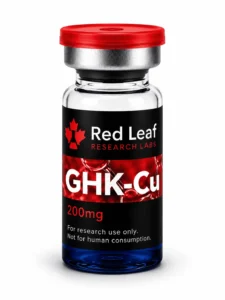
Red Leaf Research Labs stands out as a renowned Canadian peptide supplier. They are praised for their extensive range of high-quality peptides. Their commitment to rigorous testing ensures product reliability. Some buyers also search for “redleaf peptides” or “red leaf research labs” when comparing vendors.
Other notable suppliers in Canada include:
- Canadian Peptides
- Peptides Direct
- Precision Peptides
These companies are known for their professionalism and adherence to industry standards. They offer diverse peptide products for various needs.
Choosing a trusted supplier is crucial for a safe and effective peptide therapy experience.
GHK-Cu and Other Popular Peptides in Canada
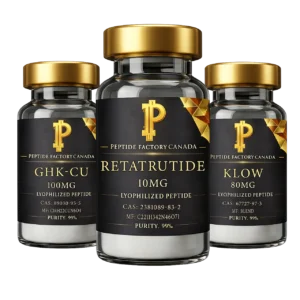
GHK-Cu stands out among peptides for its skin-renewing abilities. It’s highly regarded in Canada for promoting healthier, younger-looking skin. This peptide has gained attention for its proven efficacy and safety. Searches such as “ghk-cu peptide canada” can help locate relevant products or clinics.
In addition to GHK-Cu, other popular peptides in Canada include:
- BPC-157 for gut health
- CJC-1295 for growth hormone enhancement
- Ipamorelin for anti-aging benefits
Emerging compounds like retatrutide (retatrutide canada availability may vary based on regulatory approvals) are also being studied for metabolic health.
These peptides support varied health goals and are well-researched for their uses.
 by Logan Voss (https://unsplash.com/@loganvoss)
Canadian users appreciate these peptides for their therapeutic effectiveness and quality.
Peptide Calculator: Determining the Right Dosage
Using the correct dosage is crucial for effective peptide therapy. A peptide calculator aids in determining appropriate doses based on individual factors. These calculators consider variables like body weight, age, and treatment goals.
The process typically includes:
- Entering your body weight
- Selecting your peptide type
- Specifying your desired outcome
With these details, the calculator provides a tailored dosage plan.
 by kenny cheng (https://unsplash.com/@kenny161616)
Using a peptide calculator ensures precise dosing, enhancing therapy benefits while minimizing risks. Always consult with a healthcare professional for final guidance.
Frequently Asked Questions About Peptide Therapy
What are peptides?
Peptides are short amino acid chains functioning like proteins in the body. They play critical roles.
How do peptides work?
Peptides mimic body’s natural processes. They bind to receptors for targeted actions.
Who can benefit from peptide therapy?
Individuals wanting to enhance health, fitness, and wellness often use peptide therapy.
What are peptide injections used for?
They serve purposes like anti-aging, muscle growth, and weight management.
- Safety: Are peptide injections safe?
- Yes, when sourced from reputable suppliers and supervised by professionals.
- Side Effects: What are the potential risks?
- Possible side effects include pain and allergic reactions.
Where to find peptides near me?
Peptides are available through clinics and authorized online sources.
Is peptide therapy expensive?
Costs vary by peptide type and treatment length. Consult providers for estimates.
Conclusion: Is Peptide Therapy Right for You?
Peptide therapy holds promise for enhancing health and wellness. Its appeal lies in potential benefits like improved vitality, muscle growth, and skin health. However, individual experiences with peptides can vary.
Consulting a healthcare professional before starting therapy is crucial. They can help determine if this treatment aligns with your health goals. Understanding both benefits and risks is essential for making informed decisions.
Ultimately, deciding on peptide therapy depends on your personal health objectives and the advice of trusted medical experts.
Q&A
Question: What are peptides, and how are they different from proteins?
Short answer: Peptides are short chains of amino acids (typically 2–50) that act as essential signaling molecules in the body. Because they’re smaller than proteins, they can often penetrate cells more easily and influence processes like metabolism, immune function, and tissue repair. The body makes many peptides naturally, and synthetic versions can be created for therapy and research.
Question: How does peptide therapy work and how is it administered?
Short answer: Peptide therapy uses specific peptides that mimic those naturally found in the body to trigger targeted biological responses. Peptides bind to cell receptors, initiate signal transduction, can modulate enzymes, and may influence gene expression. Administration methods include injections (for fast, direct absorption), creams, and oral supplements, with the choice depending on the peptide and goal.
Question: Are peptide injections safe? What benefits and risks should I know?
Short answer: Peptide injections are generally considered safe when sourced from reputable providers and used under professional supervision. Potential benefits include enhanced performance and recovery, improved skin health, and metabolic support. Risks can include injection-site reactions (redness, swelling, pain) and allergic responses; unregulated products add uncertainty. Consulting a healthcare professional helps align treatment with your goals and safety needs.
Question: Where can I buy peptides safely in Canada?
Short answer: In Canada, peptides are available through licensed clinics and reputable online sources operating under regulatory guidelines. To buy safely, verify provider licensing and accreditation, check supplier credentials and product authenticity, and prioritize regulated clinics, pharmacies, or transparent online vendors. The article spotlights established suppliers (e.g., Red Leaf Research Labs) as examples; always confirm compliance with Canadian standards before purchasing.
Question: How are dosage and injection frequency determined for peptide therapy?
Short answer: Dosage and frequency depend on the specific peptide and your goals. Most plans start with lower doses and adjust under professional guidance; frequency can range from daily to weekly based on the peptide’s profile. A peptide calculator can help estimate dosing by considering factors like body weight, peptide type, and desired outcome, but final decisions should be made with a healthcare provider.