
 Owned and operated by a cf veteran

Understanding Bacteriostatic Water Uses and Benefits
Bacteriostatic water is a crucial component in medical and research fields. It plays a vital role in preparing injectable medications. This sterile solution, sometimes labeled as injectable bacteriostatic water, contains benzyl alcohol, which prevents bacterial growth.
Understanding its uses and benefits is essential for healthcare professionals and researchers. It ensures the safety and efficacy of injectable therapies. When used as bacteriostatic water for injection, it supports accurate dosing and safer reconstitution practices.
Bacteriostatic water is different from sterile water. It offers extended shelf life for multi-dose vials.
This guide will explore its applications, benefits, and safety guidelines. Learn where to buy bacteriostatic water and how to use it effectively, including practical options for where to get bac water.
Stay informed about this indispensable solution in medical settings.
What is Bacteriostatic Water?
Bacteriostatic water is a sterile water solution used to dilute or dissolve medications for injection. It contains 0.9% benzyl alcohol, which acts as a preservative. The benzyl alcohol prevents bacterial growth, extending the solution’s shelf life.
This solution is ideal for preparing multi-dose vials because it helps maintain sterility over time. Unlike sterile water, which lacks preservatives, bacteriostatic water is designed for reconstitution purposes and is supplied as injectable bacteriostatic water by many manufacturers.
It is commonly used in peptide therapy and other medical applications. Some key features of bacteriostatic water include:
- Contains benzyl alcohol as a preservative
- Ideal for multi-dose vials
- Prevents bacterial growth
- Not suitable for use with infants
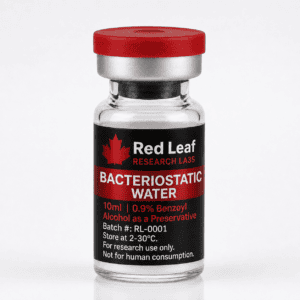
Despite its benefits, bacteriostatic water is not suitable for use in newborns. This is due to potential toxicity from benzyl alcohol. It is important to consult with a healthcare professional before using it for injection.
Bacteriostatic Water vs. Sterile Water: Key Differences
Understanding the differences between bacteriostatic water and sterile water is crucial for safe medical practice. While both are used to dilute medications, their properties vary significantly.
Bacteriostatic water contains benzyl alcohol, which prevents bacterial growth. This makes it suitable for multi-use vials, reducing contamination risk over time. In contrast, sterile water lacks preservatives and is meant for single-use applications.
Here’s a quick comparison:
- Bacteriostatic Water: Contains benzyl alcohol, multi-use, prevents bacterial growth.
- Sterile Water: No preservatives, single-use only.

Due to its preservative content, bacteriostatic water should not be used in specific patient populations, such as infants. Always ensure compatibility with medications before use. This prevents adverse reactions and ensures patient safety. Understanding these differences helps in choosing the correct diluent for medical needs.
How Bacteriostatic Water Works
Bacteriostatic water is a sterile fluid used to dissolve and dilute medications. Its key feature is the inclusion of benzyl alcohol. This additive serves a vital role by inhibiting bacterial growth within the solution.
The addition of benzyl alcohol extends the shelf life of bacteriostatic water. This makes it ideal for multi-dose vials used over several days. Unlike sterile water, it can repeatedly enter a container without contamination risk.
Functionality Overview:
- Inhibits Bacteria: Benzyl alcohol stops bacterial proliferation.
- Extends Shelf Life: Allows for ongoing use in multi-dose vials.
- Ensures Sterility: Maintains cleanliness with each use.
However, it’s vital to note that bacteriostatic water isn’t suitable for intravenous use. Proper handling and storage are critical to maintaining its efficacy and safety. Always consult a healthcare expert when using it for injections.
Common Uses of Bacteriostatic Water
Bacteriostatic water plays a crucial role in various medical and research applications. Its ability to inhibit bacterial growth makes it invaluable. One of its primary uses is in the preparation of injectable medications.
In peptide therapy, bacteriostatic water is used to reconstitute peptides. This ensures they remain sterile and safe for injection. It’s also commonly used in hormone therapies and vaccines.
Multi-dose vials benefit significantly from bacteriostatic water. It extends their usability while maintaining sterility. This reduces the risk of contamination over time and prevents waste.
Research settings also utilize bacteriostatic water for various experimental applications. It ensures the sterility of solutions in a lab environment. This is vital for the accuracy and reliability of research results.
Key Applications:
- Injectable Medications
- Peptide Therapy
- Hormone Therapy
- Vaccines
- Research Solutions
Bacteriostatic water should always be handled with care. Proper aseptic techniques are essential in every use. This diligence ensures the best outcome for all medical and research applications.
 by Tina Jereb (https://unsplash.com/@tincajereb)
Benefits of Bacteriostatic Water in Medical and Research Settings
Bacteriostatic water offers several significant advantages in medical and research settings. Its preservative nature prolongs the shelf life of reconstituted medications. This benefits both large institutions and small clinics.
One crucial advantage is the reduction of bacterial contamination risk. The presence of benzyl alcohol keeps bacteria at bay. Thus, it ensures medication safety and reliability.
The cost-effectiveness of bacteriostatic water is also noteworthy. By preventing early spoilage, healthcare facilities can save on resources. It ensures efficient use of medical supplies.
In research environments, sterility is paramount. Bacteriostatic water helps maintain this essential condition. This makes it a trusted solution for researchers worldwide.
Key Benefits:
- Extended Shelf Life
- Reduced Contamination Risk
- Cost-Effective Solution
- Maintains Sterility
- Trusted Globally
Utilizing bacteriostatic water aligns with best practices in medicine and science. It supports safe and effective treatment and experimentation. This makes it indispensable across numerous applications.
Safety Guidelines and Precautions
When using bacteriostatic water, safety is a top priority. Always inspect the solution before use to ensure clarity and the absence of particles. Contaminated water can lead to severe complications.
Understanding storage guidelines is crucial. Bacteriostatic water should be kept at room temperature, away from direct sunlight. Proper storage maintains its efficacy and prevents degradation.
It is essential to use a fresh needle and syringe for every injection. This practice minimizes infection risks significantly. Reusing equipment could compromise sterility and patient safety.
Bacteriostatic water is unsuitable for all patients. Specifically, it’s not advised for newborns due to possible benzyl alcohol toxicity. Consultation with a healthcare provider is necessary before administering.
Important Precautions:
- Inspect Solution Before Use
- Store Correctly
- Use Sterile Equipment
- Avoid in Newborns
- Consult Healthcare Providers
Adhering to these guidelines ensures safety and effective treatment. Proper precautionary measures are critical in healthcare and research environments.
How to Use Bacteriostatic Water for Injection
Using bacteriostatic water for injection requires careful attention to detail. This ensures both safety and efficacy in administering medications. Proper usage can help prevent complications.
Before starting, confirm the compatibility between the medication and bacteriostatic water. Not all drugs are suitable for mixing with this solution, as benzyl alcohol can interfere.
Begin by cleaning the vial’s rubber stopper with an alcohol swab. This step reduces contamination risk. It is vital for ensuring a sterile environment.
Draw the required amount of bacteriostatic water into a sterile syringe. Inject it into the medication vial, slowly swirling to dissolve the substance. Avoid shaking, as it can cause foaming or damage.
Essential Steps to Follow:
- Verify Compatibility with Medication
- Clean Vial Stopper Thoroughly
- Use Sterile Syringes Only
- Inject Slowly and Swirl to Mix
- Consult Instructions for Specific Drugs
 by Mika Baumeister (https://unsplash.com/@kommumikation)
By adhering to these steps, you ensure a high standard of care. Each step minimizes risks and optimizes treatment efficacy.
Where to Buy Bacteriostatic Water in Canada and Beyond
Finding bacteriostatic water involves exploring various purchasing options. Different sources offer this vital solution, each with unique benefits.
In Canada, bacteriostatic water is available through pharmacies and online retailers. These platforms offer convenience and sometimes a broader selection. Always verify the legitimacy of online sources to ensure product quality.
If you are searching online, try terms like “bacteriostatic water near me,” “where to get bac water,” or “bacteriostatic water Canada” to locate licensed suppliers. For those purchasing reconstitution materials for peptide therapy, reputable vendors that serve peptides Canada customers may also stock compliant products.
International buyers can access bacteriostatic water from major pharmaceutical brands like Pfizer and Hospira, including pfizer bacteriostatic water and hospira bacteriostatic water. Check authorized distributors when deciding where to buy bacteriostatic water to ensure authenticity and proper handling.
Consider These Sources:
- Local Pharmacies
- Online Retailers
- Hospital Supply Stores
- Specialized Medical Suppliers
 by CDC (https://unsplash.com/@cdc)
By considering these options, you can find a reliable source for bacteriostatic water. Ensure all products meet quality and safety standards for peace of mind.
Choosing the Right Brand: Pfizer, Hospira, and Red Leaf Research Labs
Selecting the right brand of bacteriostatic water can impact treatment efficacy. Trusted brands offer reliability and consistent quality in their products.
Pfizer, Hospira, and Red Leaf Research Labs are renowned for producing high-quality bacteriostatic water. Each has distinctive features that appeal to different users. You may see brand listings phrased as “Pfizer bac water,” “bac water Pfizer,” “bacteriostatic water Pfizer,” or “pfizer bacteriostatic water.” Hospira products may be listed as “hospira bacteriostatic water.”
Brand Highlights:
- Pfizer: Known for pharmaceutical expertise.
- Hospira: Offers extensive range and availability.
- Red Leaf Research Labs: Focuses on innovation in medical solutions.
When choosing a brand, consider what suits your needs in terms of quality and availability.
Storage, Handling, and Disposal Tips
Proper storage is vital to maintain bacteriostatic water’s efficacy. It should be kept at room temperature, away from sunlight.
Handling requires precision to prevent contamination. Always use sterile equipment and follow aseptic techniques during preparation.
Disposal must be done responsibly to ensure safety and compliance with regulations. Used vials and syringes should be discarded properly.
Key Tips:
- Store in a cool, dry place.
- Use sterile needles for each withdrawal.
- Dispose of materials as per local guidelines.
Frequently Asked Questions About Bacteriostatic Water
Many people wonder what bacteriostatic water is and why it’s used. This solution contains a preservative, benzyl alcohol, to inhibit bacteria growth.
A common question is whether bacteriostatic water can be used in all injections. It is suitable for many, but not all. Some medications are incompatible, so professional guidance is essential.
Another frequent inquiry concerns shelf life. Properly stored, bacteriostatic water retains its properties for extended periods but always check expiration dates before use.
A related query is what is bacteriostatic water in the context of brand names and sourcing. Searches such as pfizer bac water or where to get bac water can help locate legitimate options.
Common FAQs:
- What is bacteriostatic water?
- Can it be used for all medications?
- How long does it last when stored properly?
Conclusion: The Essential Role of Bacteriostatic Water
Bacteriostatic water plays a critical part in medical and research fields. Its ability to inhibit bacterial growth extends medication shelf life and ensures injection safety. By properly using and storing this solution, healthcare providers can safeguard patient health and enhance therapeutic outcomes.
Understanding its uses, benefits, and safety guidelines is vital for practitioners and researchers alike. With its versatility, bacteriostatic water remains a trusted component in injectable therapies. In summary, this reliable solution supports safer, more effective treatment and research protocols worldwide.
Frequently Asked Questions
Question: What is bacteriostatic water and how does it work?
Short answer: Bacteriostatic water is a sterile water solution containing 0.9% benzyl alcohol that inhibits bacterial growth. The preservative extends the solution’s useful life, making it suitable for preparing and using multi-dose vials over several days while helping maintain sterility when handled properly.
Question: How is bacteriostatic water different from sterile water, and when should I use each?
Short answer: Bacteriostatic water contains benzyl alcohol and is intended for multi-use because it helps prevent bacterial growth in vials accessed repeatedly. Sterile water has no preservatives and is meant for single-use only. Choose the diluent based on medication compatibility and intended use: multi-dose reconstitution often favors bacteriostatic water, whereas single-use applications use sterile water.
Question: Is bacteriostatic water safe for all patients and routes of administration?
Short answer: No. It should not be used in newborns due to potential benzyl alcohol toxicity, and it isn’t suitable for intravenous use. Always verify that a medication is compatible with bacteriostatic water and consult a healthcare professional before administering.
Question: How do I use bacteriostatic water to reconstitute medications safely?
Short answer: First confirm the drug is compatible with bacteriostatic water. Clean the vial’s rubber stopper with an alcohol swab, use a sterile syringe and needle, draw the required volume, inject it into the medication vial, and gently swirl (don’t shake) to dissolve. Follow any drug-specific instructions for mixing and dosing, and maintain aseptic technique throughout.
Question: Where can I buy bacteriostatic water and which brands are reliable?
Short answer: In Canada, you can purchase it from local pharmacies, online retailers, hospital supply stores, and specialized medical suppliers. Use reputable, licensed sources—search terms like “bacteriostatic water near me,” “where to get bac water,” or “bacteriostatic water Canada” can help locate suppliers. Trusted brands include Pfizer, Hospira, and Red Leaf Research Labs; verify authorized distributors to ensure authenticity and proper handling.